Wigert's Bonsai Nursery draws visitors to 14-acre Florida destination
A tucked-away North Fort Myers nursery has become a real bonsai destination, with display trees, classes, and rare stock drawing collectors and first-timers alike.
A Florida stop that feels like a bonsai garden, not a garden center
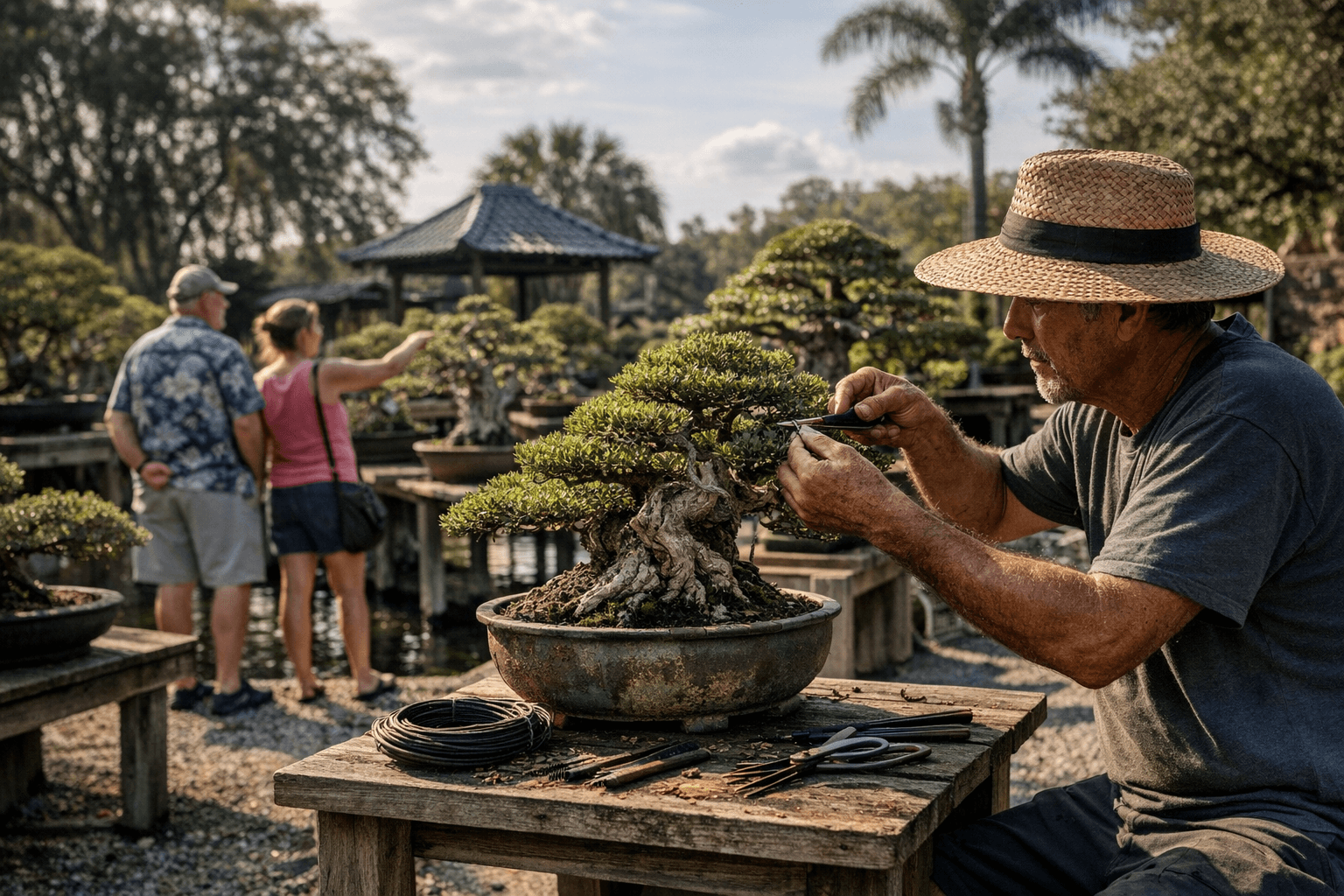
Wigert’s Bonsai Nursery gives North Fort Myers something most bonsai towns only wish they had: a place where the craft is on display at full scale. Set in Lee County and described as stretching across 14 acres, with about half of the grounds open to the public, the nursery invites visitors to slow down and look closely at trees that have been trained, wired, pruned, and refined over years. Wigert’s own information also places the operation on a 6-acre property with more than 150 trees in two display areas, which tells you the same thing from another angle: this is not a quick in-and-out retail stop.
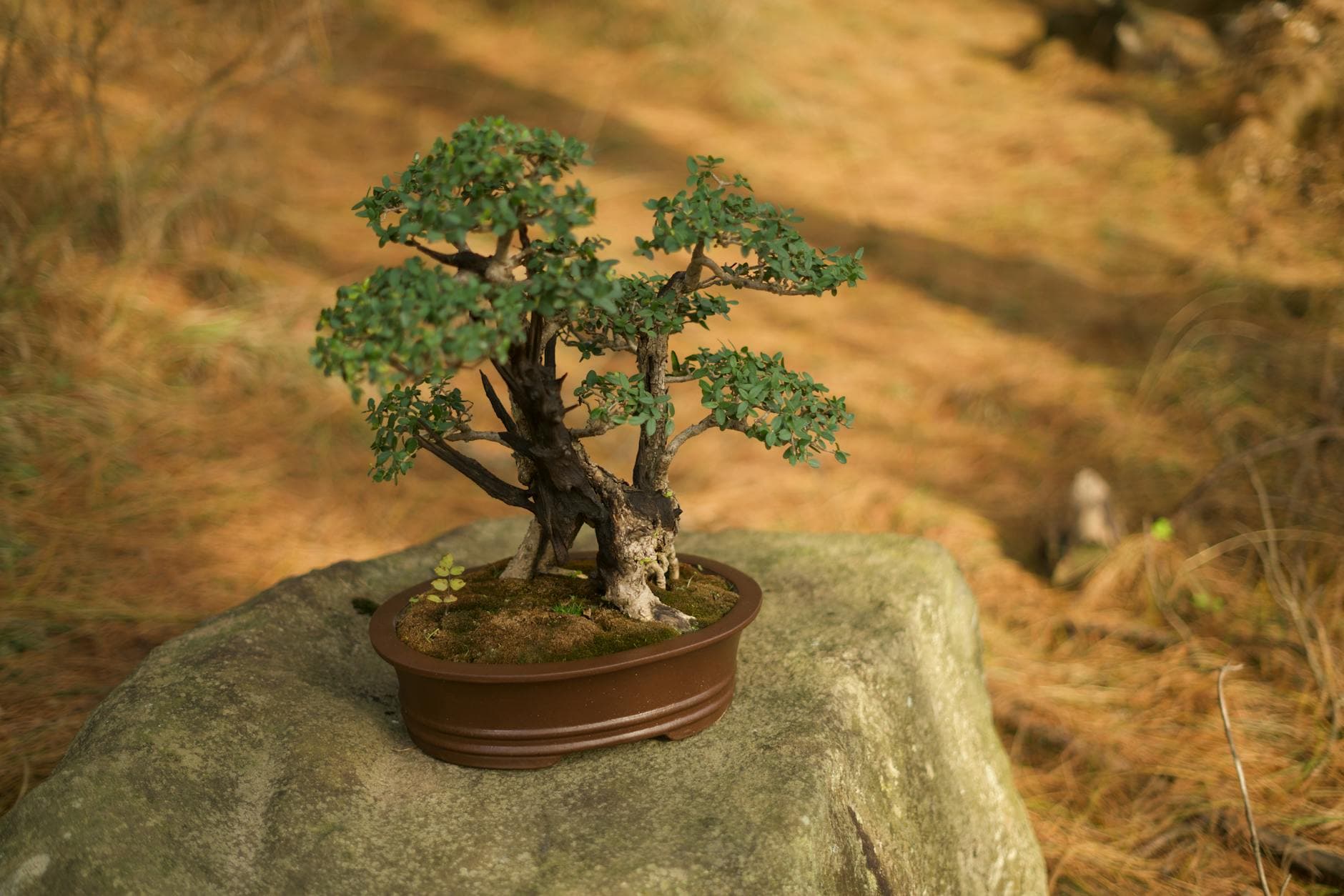
That scale matters because bonsai is a hobby built on patience, and the nursery leans into that rhythm. Instead of browsing rows of anonymous stock, visitors move through a living collection that shows the whole arc of the art, from starter material to polished specimens that look ready for a museum case. In a region better known for beaches and resorts, that makes Wigert’s a destination in its own right.
What you can actually see on a first visit
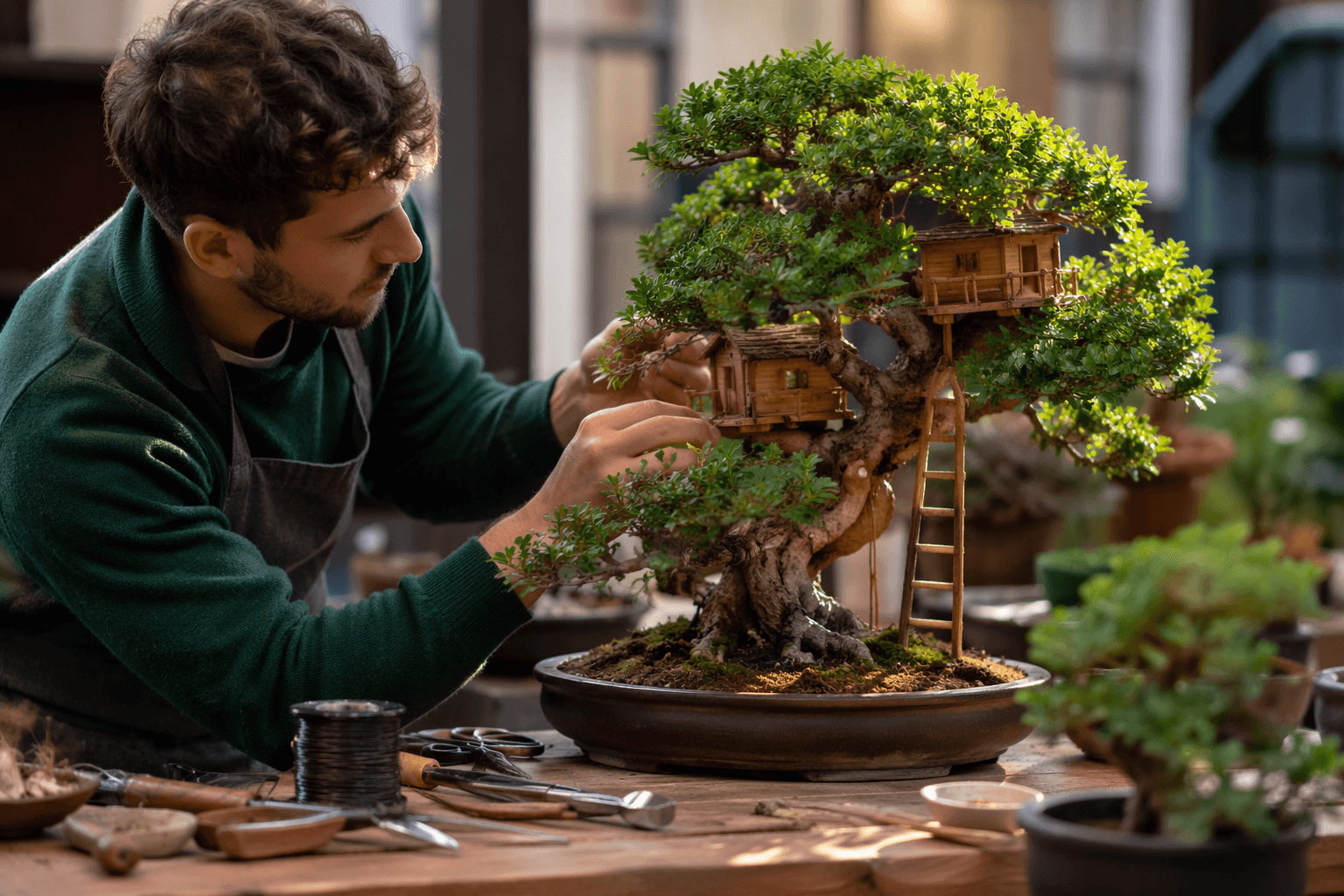
For someone new to bonsai, Wigert’s works best as an open-air classroom. The public display areas let you see how trunk movement, branch structure, and canopy refinement change a tree over time. Just as important, the nursery serves more than one kind of visitor at once: beginners can look for starter trees and guidance, while experienced collectors can browse rarer and more exotic material, including trees described as museum-quality examples.
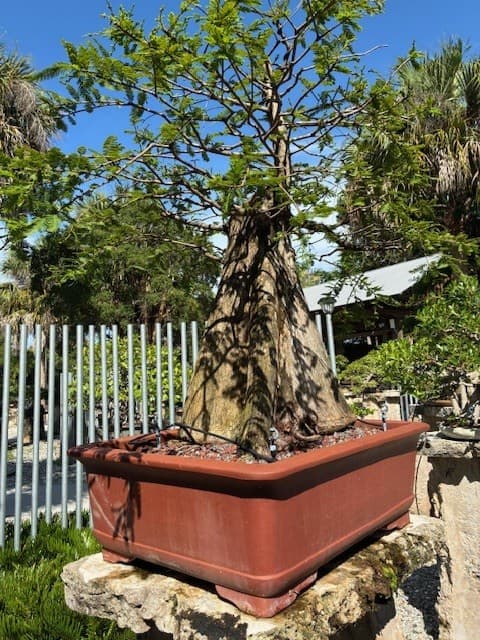
That range is part of the draw. A visitor can stand in one place and see the full ladder of development, from tropical pre-bonsai waiting for future work to trees that already carry the marks of long study. The experience is especially useful for anyone trying to understand what separates ordinary nursery stock from material with bonsai potential. At Wigert’s, the lesson is visible before it is explained.
A first walk through the nursery can be organized around a few simple stops:
- The display areas, where the most refined trees show what years of work can produce.
- The starter stock, where beginners can compare different species and styles.
- The tropical pre-bonsai material, a specialty that connects directly to the nursery’s production side.
- The class schedule, for anyone who wants more than a visual tour.
Why Erik Wigert’s name carries weight
Wigert’s is closely identified with Erik Wigert, who started the business in 2003 on Pine Island, Florida. That origin story matters because it keeps the operation rooted in the local bonsai scene even as the nursery has grown into something much larger. Today, the name carries far beyond Southwest Florida because Wigert has become a familiar figure in bonsai education and exhibition.
Bonsai Empire notes that Wigert has taught programs for bonsai clubs in several U.S. states, as well as in Puerto Rico and Mexico. It also says he has appeared at major bonsai gatherings and venues, including Epcot Center at Walt Disney World, which gives the nursery a rare kind of recognition for a specialty operation. When a bonsai grower is equally at home teaching a club class and showing work at a place as widely visited as Walt Disney World, that signals real reach inside the hobby.
That teaching role is still visible at the nursery today. Bonsai Empire says Wigert’s offers monthly classes for all skill levels, which makes the site useful not just as a shopping stop but as a place to build technique. For anyone trying to understand wiring, pruning, or the long process of developing tropical material, that kind of access is part of the appeal.
How to plan the visit
The practical details are straightforward, and they help explain why the nursery works so well as a day trip. Wigert’s says it is open weekdays from 9 a.m. to 5 p.m., requires no appointment, and has been closed on weekends effective January 1, 2025. That weekday-only schedule makes the visit feel deliberate rather than casual, almost like stepping into a working studio during open hours.
The nursery is located at 2930 South Road in North Fort Myers, and it says it can ship bonsai anywhere in the United States. That shipping option matters for visitors who are tempted by a tree too large to travel with easily, or for collectors who want to keep building a relationship with the nursery after they leave Florida. Wigert’s also describes itself as one of the nation’s largest wholesale producers of tropical pre-bonsai material, which explains why the benches feel so much more expansive than a normal retail yard.
If you are planning a stop, the most useful approach is to leave time for both browsing and conversation. This is the kind of place where the stock tells part of the story, but the staff, the classes, and the production side fill in the rest. The nursery is built for people who want to buy, learn, or simply look longer.
Why this stop stands out
The clearest sign that Wigert’s has become more than a specialty nursery is the way visitors describe it. Tripadvisor currently rates Wigert’s Bonsai 4.9 out of 5 based on 59 reviews and lists it as the #1 thing to do in North Fort Myers. That kind of reception is unusual for a bonsai nursery, and it says a lot about how the place functions as both a retail business and a visitor attraction.
The bigger story is not just that Wigert’s sells trees. It is that the nursery gives people a reason to visit a tucked-away corner of Florida for the trees themselves. Beginners can leave with starter material and a better eye. Collectors can hunt for rarities and refined specimens. And everyone gets a reminder that bonsai is not only a product to purchase, but a craft you can watch unfold in front of you, one carefully shaped tree at a time.
This article was produced by Prism’s automated news system from verified source data, official records, and press releases, then run through automated quality and moderation checks before publishing. The system is built and supervised by the people who set the standards it runs under. Read our full AI policy.
Did this article answer your question?