Filoli showcases 50 bonsai, linking miniature trees to AAPI heritage
Filoli’s spring bonsai show is more than a terrace display. The 50-plus trees connect AAPI Heritage Month, penjing roots, and a Domoto family story that spans 1915 to today.
A terrace full of miniature trees, with a lot more history behind it
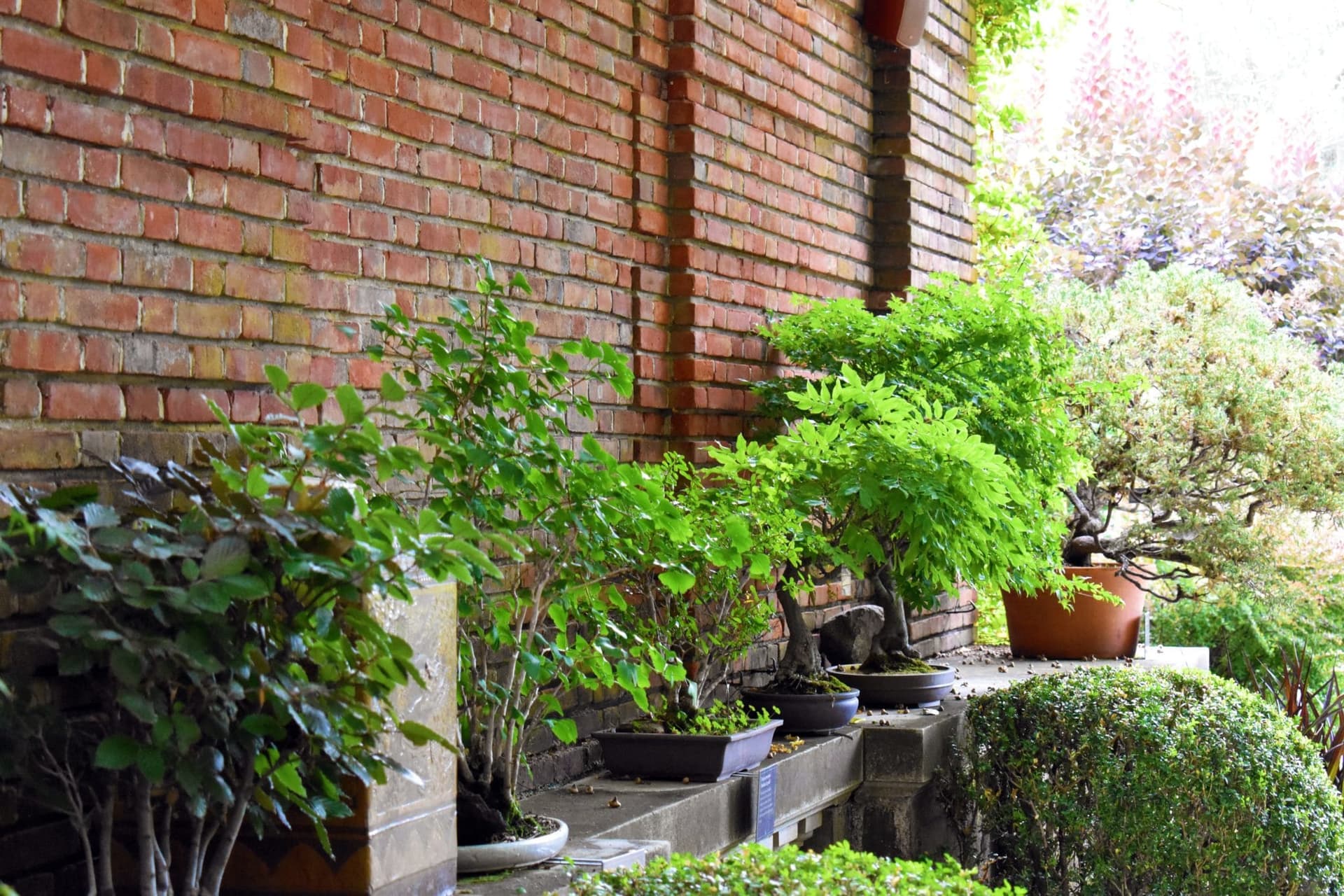
Filoli is putting more than 50 bonsai on the Dining Room Terrace between 10am and 4pm, and the timing is doing real work. The display sits inside the estate’s May-long AAPI Heritage Month programming, which Filoli says is built around experiences that highlight the diversity and vibrancy of AAPI cultures. That makes this feel less like a decorative stop and more like one of the estate’s main spring arguments: bonsai belongs in the center of public garden culture, not off to the side.
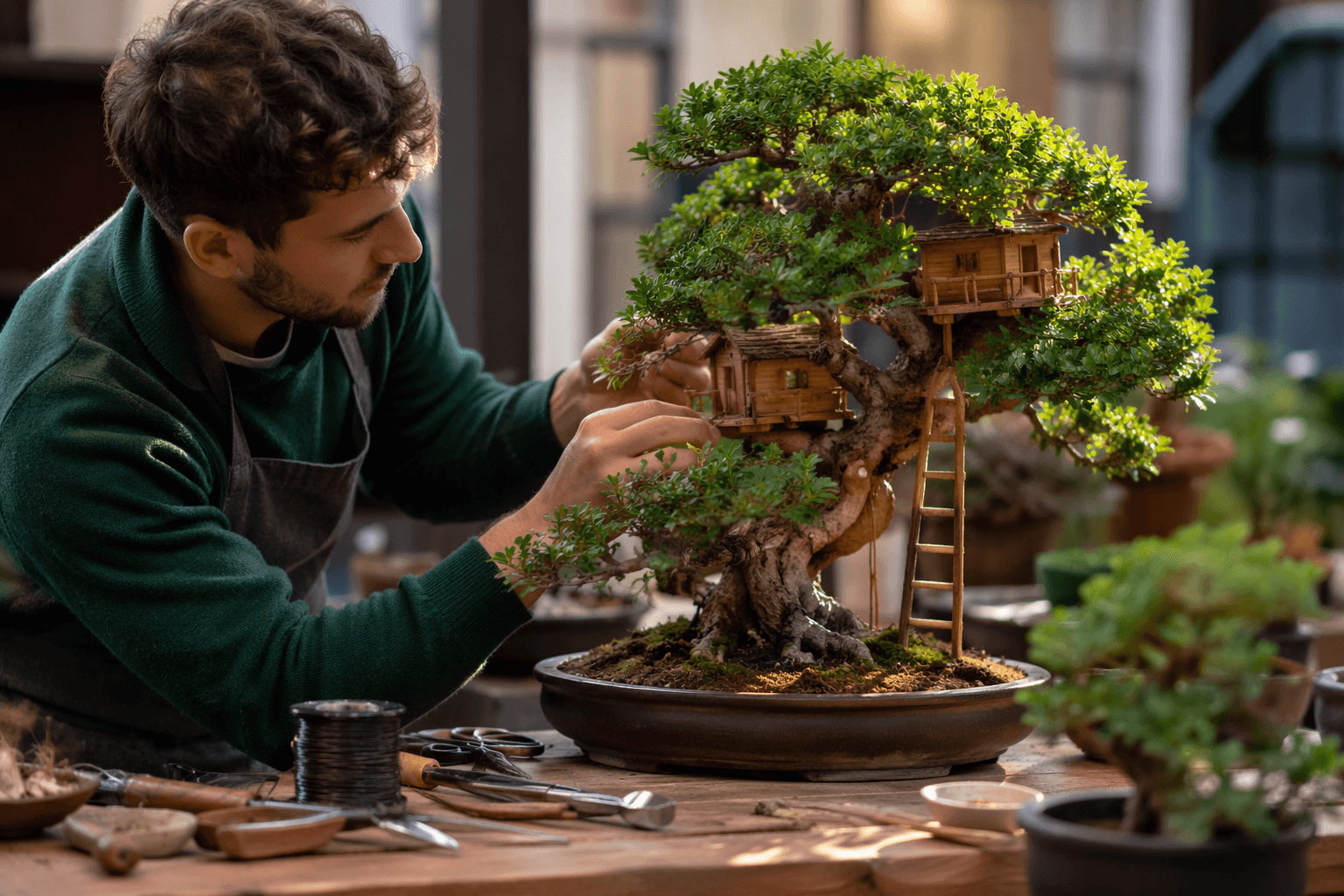
What you actually see matters here. Filoli’s modern and historic collections are maintained by garden staff with help from the Kusamura Bonsai Club, so this is not a one-time put-on-and-walk-away exhibit. The trees are being cared for as a working collection, and that stewardship is part of the appeal. If you have ever looked at a bonsai show and wondered whether the pots, fronts, and stands were doing anything besides looking polished, this is the kind of display where the details tell the story.
How to read the display like a bonsai person
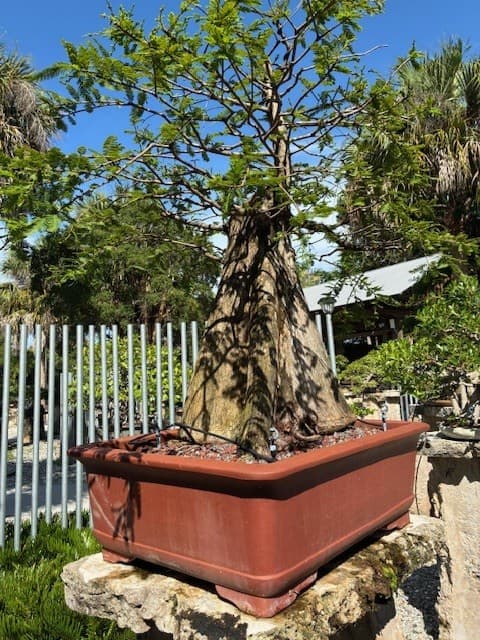
The easiest mistake in a public garden bonsai exhibit is to treat every tree as a tiny object and stop there. At Filoli, the better move is to read the relationships. Front-facing display tells you where the tree wants to be seen from, container harmony shows whether the pot supports the trunk and foliage mass, and the contrast between single-tree and forest styles changes the whole emotional temperature of the presentation.
Shohin trees and larger specimens will also feel very different in person. Shohin can make you lean in, which is half the fun, while bigger trees land with more authority and presence. In a good display, neither size is a compromise. They simply ask for different kinds of attention, and Filoli’s setup gives that range a public stage.
Bonsai and penjing are related, but they are not the same thing
Filoli’s broader framing is useful because it keeps the terminology honest. Penjing began in China more than a thousand years ago, and bonsai later emerged as the Japanese refinement and popularization of the art. The overlap is obvious at a glance, but the distinction matters when a garden is trying to explain why miniature trees keep resurfacing in public collections.
Penjing traditionally has room for miniature landscapes and narrative scenes, while bonsai tends to focus more tightly on the individual tree, its trunk line, ramification, and the discipline of reduction. That difference is one reason public gardens use these displays as teaching tools. They are not just showing something pretty. They are showing how one cultural practice traveled, changed, and then became legible to new audiences.
Why Western institutions started collecting them
The big historical door for bonsai in the United States opened at the Panama-Pacific International Exposition in San Francisco, which ran from February 20 to December 4, 1915 and covered more than 600 acres along the waterfront. That mattered because world’s fairs were built to flatten distance. They put plants, architecture, food, and craft in front of huge crowds, and bonsai fit that stage perfectly. A living tree trained over decades is a hard object to ignore once it is placed in a setting designed for spectacle.
One memorable detail makes the point better than any general theory: the Domoto trident maple was displayed on the verandah of the Formosa Tea House at that fair. Pacific Bonsai Museum says the tree is approximately 210 years old today, which is the kind of number that changes how you look at a pot immediately. This was not a novelty item. It was already an old tree when it entered the public eye in 1915, and it has kept accumulating history ever since.
The Domoto story gives the exhibit its human weight
The Filoli display is also anchored by a family history that runs through Japanese American horticulture in California. Densho says Kanetaro Domoto established the Domoto Brothers nursery in Oakland in 1891, and his son Toichi started his own nursery in 1926. Kanetaro bought the trident maple from an exhibitor at the 1915 exposition, after it had been imported from Japan and estimated to be more than 50 years old at the time.
Then the story takes the hard turn that makes it unforgettable. During World War II, the Domoto family was incarcerated at the Merced Assembly Center and Amache, also known as the Granada concentration camp, and the tree was left behind. After Toichi’s death in 1992, his family donated the maple to the Pacific Bonsai Museum and gave other camellia bonsai from his collection to Filoli. That is not just provenance. It is the record of a family trying to keep a living archive intact through disruption.
What Filoli is really showing you
Pacific Bonsai Museum says it cares for one of the finest bonsai collections in North America, and Filoli’s own role is just as clear. The estate is treating bonsai as an interpretive feature, a collection that can carry cultural history, design knowledge, and heritage-month programming at the same time. That is why this exhibit lands differently from a random garden corner with a few small trees in pots.
If you go, the takeaway is simple. You are not just looking at miniature trees on a terrace. You are looking at a public collection shaped by Chinese roots, Japanese refinement, Japanese American nursery history, wartime loss, and careful restoration. Filoli’s 50-plus bonsai turn all of that into something visitors can see in a single walk, and that is exactly why these trees keep showing up in public garden culture.
This article was produced by Prism’s automated news system from verified source data, official records, and press releases, then run through automated quality and moderation checks before publishing. The system is built and supervised by the people who set the standards it runs under. Read our full AI policy.
Did this article answer your question?