Buffalo Cherry Blossom Festival Spotlights Bonsai, Music, and Japanese Culture
Buffalo’s cherry blossom weekend pairs bonsai tables with live music, food trucks, and a 6-acre Japanese garden, making it a real spring outing, not just a pretty stop.
A festival built for the whole weekend
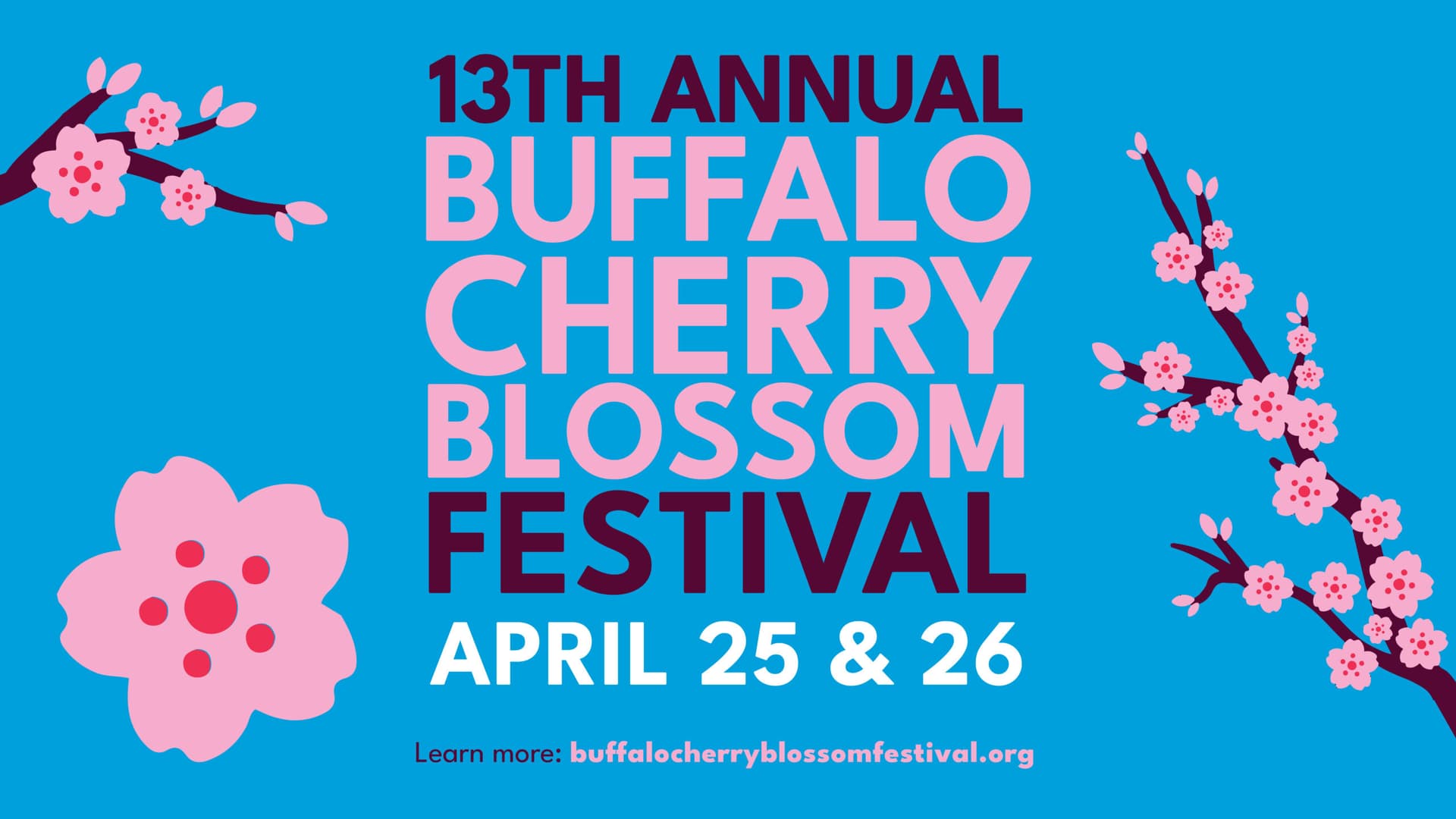
Buffalo’s cherry blossom celebration is the kind of spring event that pulls you in for the blossoms and keeps you there for the mix of bonsai, music, and Japanese culture. The 13th Annual Buffalo Cherry Blossom Festival runs April 25 and 26, 2026, from 11 a.m. to 3 p.m., and it spreads across The Buffalo History Museum and the Japanese Garden in Delaware Park, so the day feels like a walk through a community gathering rather than a single-room display.
That matters because this is not a narrow club meeting hidden from the public. The festival is hosted by The Buffalo History Museum, Buffalo Olmsted Parks, the Friends of the Japanese Garden, and Music is Art, which gives it the kind of civic reach that turns casual visitors into repeat visitors. Visit Buffalo says thousands of people come through each year, and Paula Hinz, identified there as a co-organizer, calls it Buffalo’s “blizzard of pink petals.” That line fits the scale of the event, but it also captures the mood: this is a spring outing built to be seen, heard, and wandered.
Where bonsai fits into the experience
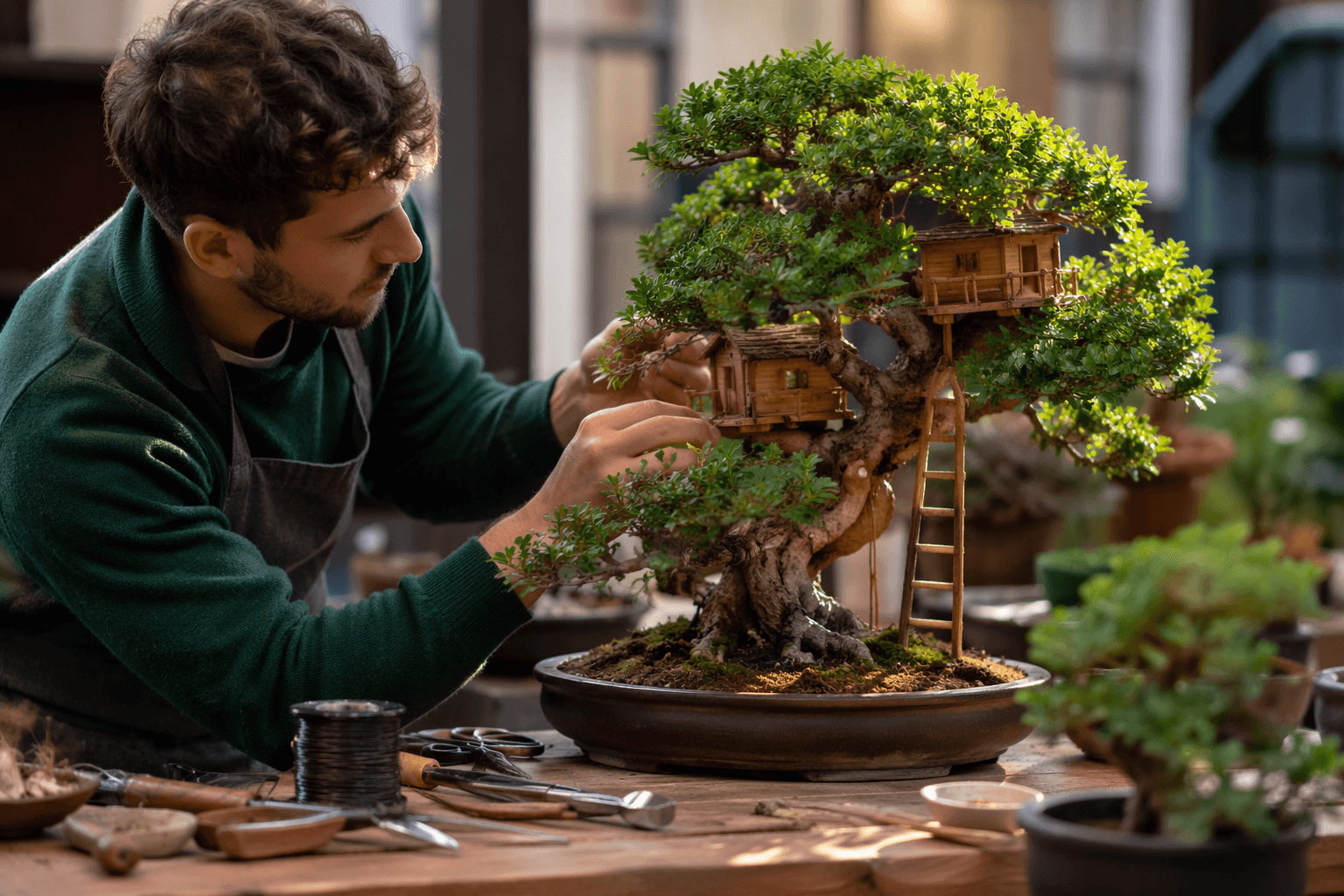
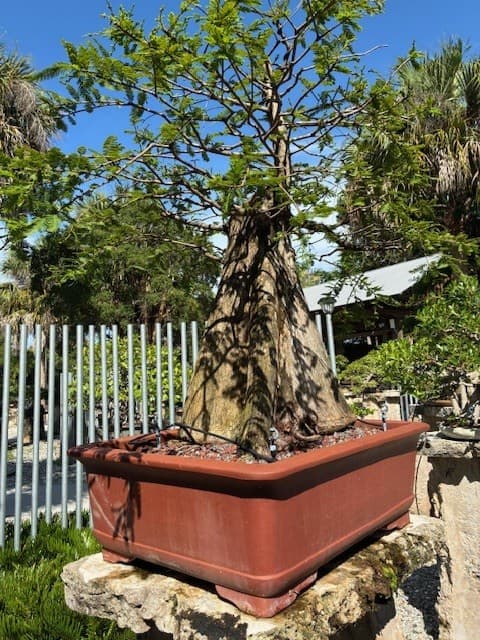
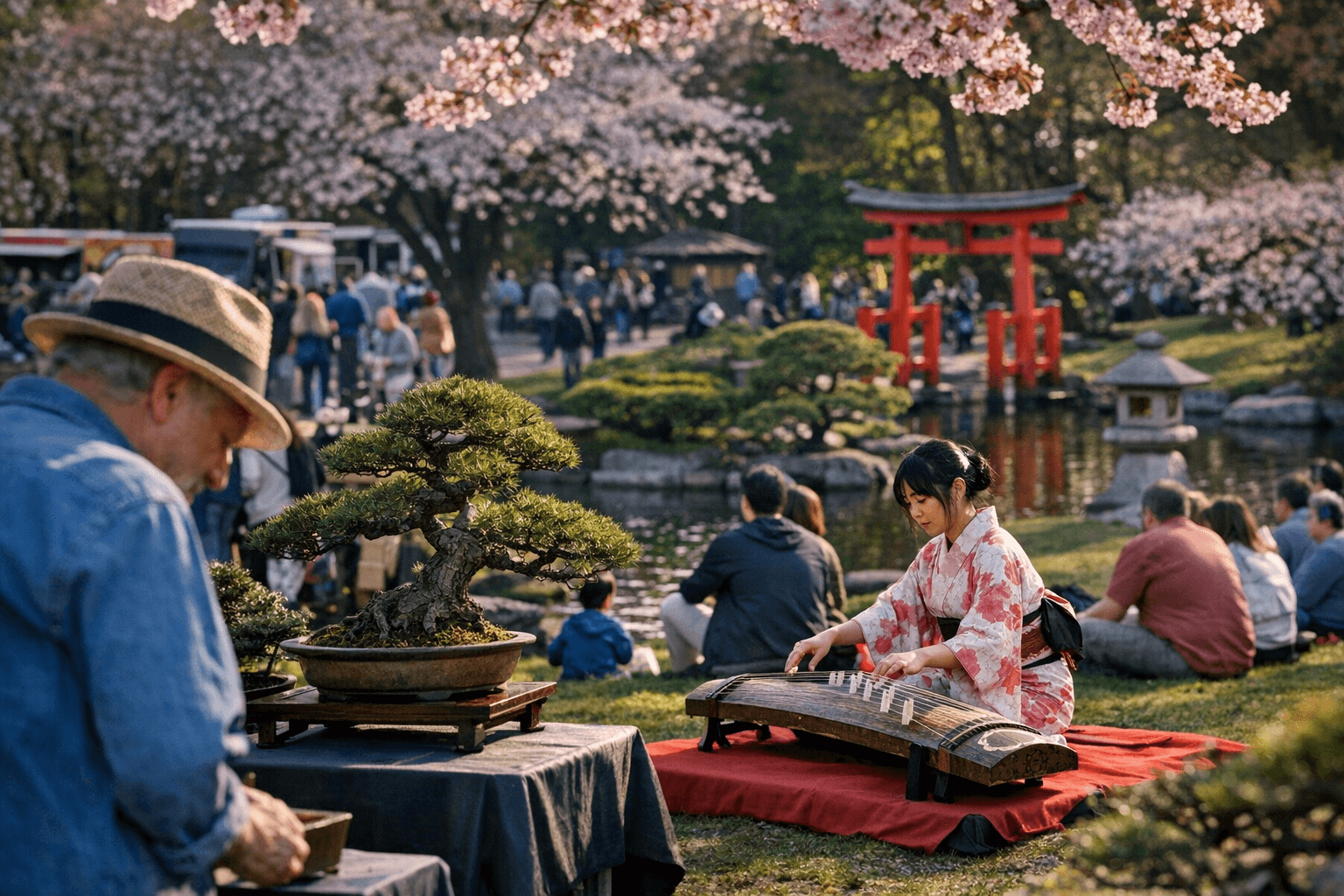
The bonsai part of the festival is strongest because it is not isolated. Inside the museum, activity tables cover bonsai, origami, folk dolls, and Kanazawa, Buffalo’s sister city in Japan, which means the tree work sits in a broader Japanese cultural frame instead of being treated like a niche side show. That is exactly how you introduce bonsai to a wider public: put it in a room with other hands-on, visually legible traditions and let people discover the craft without needing a prior hobby education.
For anyone who already keeps trees, the value is obvious. Bonsai becomes concrete when it is displayed as part of a public cultural table, where visitors can stop, ask questions, compare forms, and see how the art connects to Japanese aesthetics more broadly. For everyone else, it is the sort of low-pressure first encounter that sticks, because the tree is no longer a museum abstraction. It is one station in a festival where people can look closely, talk to someone on-site, and leave with a better sense of what bonsai actually is.
Why the Japanese Garden is the right setting
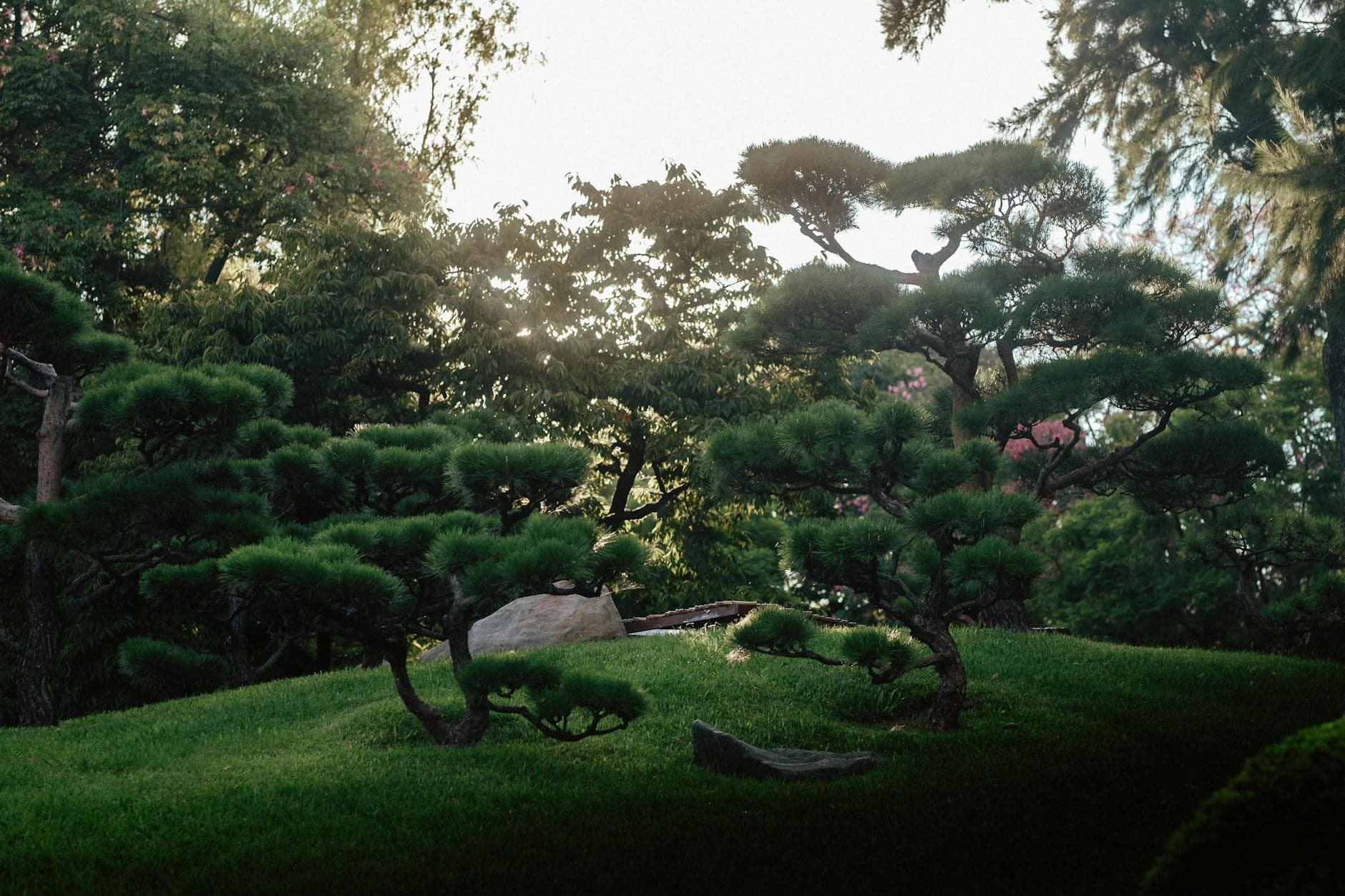
The setting does a lot of the heavy lifting. The Japanese Garden in Delaware Park spans more than 6 acres, and it was created in connection with Buffalo becoming a sister city to Kanazawa, Japan, in 1962. Design work began in 1970 and was completed in 1975, with major renovations in 1996 supported by Kanazawa and including trees, shrubs, paths, and stone lanterns. That history gives the festival real depth. You are not just looking at cherry blossoms near a museum; you are standing in a landscape built around a long-running civic relationship.
The location also adds a layer of Buffalo history that makes the day feel rooted in the city itself. The Japanese Garden sits next to The Buffalo History Museum, and the museum building was originally constructed as the New York State Pavilion for the 1901 Pan-American Exposition. That makes the festival feel especially Buffalo: a historic building, a purpose-built garden, and a Japanese cultural celebration all occupying the same stretch of parkland. The result is a setting that rewards a slow loop, not a quick photo.
What you can actually do on-site
The practical appeal is part of why the festival works. Music is Art is providing live music across three stages in the Japanese Garden, so the sound of the day is as much a draw as the blossoms themselves. Food trucks keep the pace casual, and the pink boats on Mirror Lake give the whole scene a bright springtime edge that reads well even before you get to the garden paths.
That mix is what makes the event feel like a real community outing. You can move from the museum tables to the garden, catch music, grab food, and circle back without ever feeling locked into one lane of programming. It is also the kind of setup that makes bonsai more visible to people who might not have gone looking for it on its own. A family comes for the music, a couple comes for the blossoms, and suddenly there is a bonsai table in the middle of the walk.
How to plan the visit
If you are heading in, the logistics are straightforward, which is a big part of the appeal. Festival parking is directed to Buffalo State Lot R-14 and nearby street parking, while museum parking is reserved for accessibility needs. That keeps the museum lot from getting swamped and makes the event feel organized for a broad public audience, not just for regular members who already know the grounds.
The free admission helps too. Visit Buffalo describes the festival as a free annual celebration of springtime and Japanese culture, and that open-door setup is exactly why the event has grown into a dependable weekend tradition. The City of Buffalo calendar notes that since 2014, the Buffalo Cherry Blossom Festival has brought together local artists, businesses, and cultural institutions, which explains why the 2026 edition lands as the 13th annual festival rather than a one-off spring fair.
For bonsai readers, that is the real takeaway. Buffalo is showing how the art travels best when it is embedded in a larger public experience: a garden with history, a museum with context, music in the open air, and enough foot traffic to let a display table do its job. The festival does not ask visitors to already understand bonsai. It gives them a reason to stop, look, and remember it.
This article was produced by Prism’s automated news system from verified source data, official records, and press releases, then run through automated quality and moderation checks before publishing. The system is built and supervised by the people who set the standards it runs under. Read our full AI policy.
Did this article answer your question?