Minnesota Bonsai Society offers tropical beginner workshop for new growers
A July 19 tropical beginner workshop gives new growers a practical first bonsai: an indoor-friendly tree, a beginner-focused class, and a clear path into Minnesota Bonsai Society's yearly program.
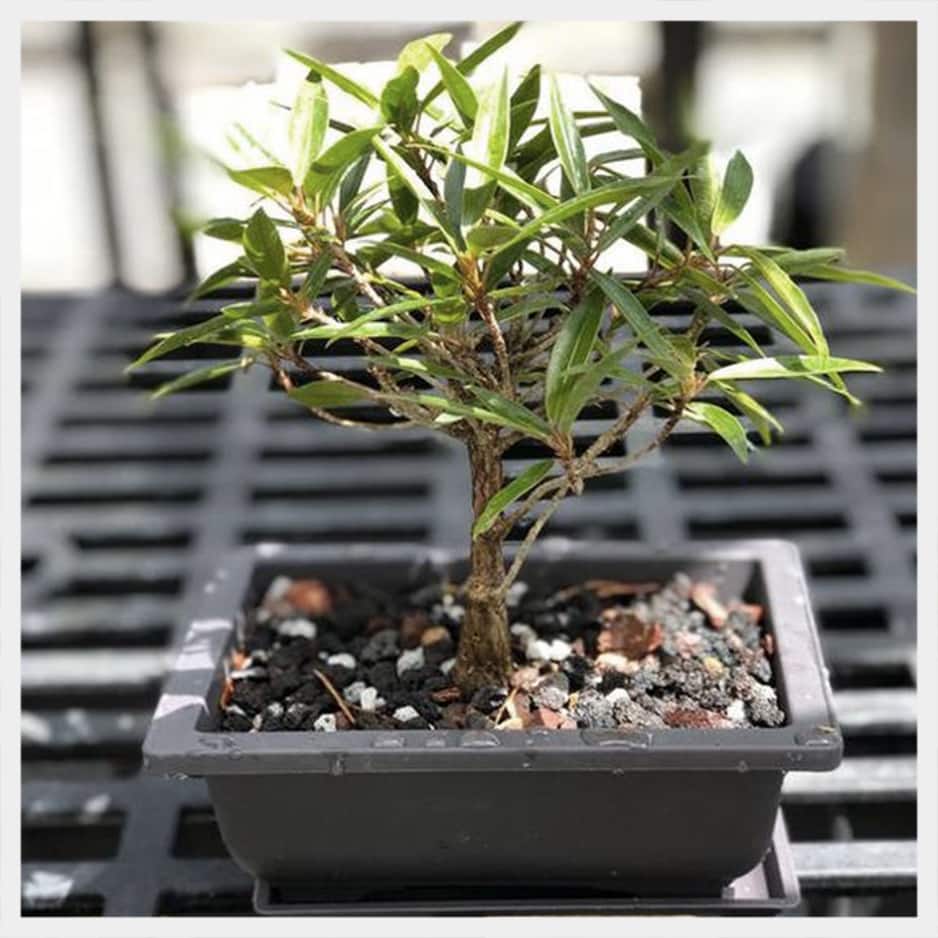
Tropical material is one of the cleanest first steps into bonsai because it solves the beginner’s biggest early question: what can actually live in your space. Minnesota Bonsai Society’s Tropical Beginner Workshop, listed for the July 19 morning slot in its Beginner Workshops 2026 catalog, is built around that exact problem.
A beginner class centered on tropical trees
The appeal of this workshop is its focus. It is aimed at newcomers who want to start with tropical bonsai material, which matters because the first tree is often where people either build confidence or get discouraged. A tropical session keeps the learning narrow and practical: species selection, indoor care, watering, and the first shaping decisions are all easier to absorb when the material itself is well suited to a beginner’s environment.
That focus also makes the timing useful. Minnesota Bonsai Society places beginner workshops in a recurring annual schedule, with classes typically held in April, July and September. The society also says workshops are posted yearly, typically in February, so the July 19 morning session is not a one-off novelty but part of a structured pipeline for new growers.
Why tropical bonsai works for first-timers
The logic behind a tropical beginner class is straightforward. Minnesota Bonsai Society says tropical trees can be considered indoor bonsai and should be kept indoors during the winter, which is especially relevant in Minnesota’s colder months. That gives new growers a real advantage: instead of trying to force a tree through conditions it cannot handle, they can start with material that fits the home.
Bonsai Empire draws the same distinction from a broader care perspective. Tropical and subtropical plants are the types that can survive indoors where temperatures stay high and stable throughout the year, while most bonsai should be placed outdoors and exposed to the four natural seasons. For a beginner, that difference is everything. It changes not just where the tree sits, but how often it is checked, how it is watered, and how quickly progress can be seen.
A tropical tree also tends to be more forgiving for the person learning the basics of bonsai care. Indoor-friendly material gives the new grower a chance to practice without immediately battling freeze risk, dormancy questions, or seasonal protection. That makes it a practical entry point for apartment dwellers, cold-climate growers, and anyone who wants to learn before committing to outdoor benches and weatherproof routines.
How Minnesota Bonsai Society frames the first lesson
The Tropical Beginner Workshop sits inside Minnesota Bonsai Society’s broader beginner-workshop catalog, and that structure matters. Rather than presenting bonsai as a skill set reserved for advanced growers, the society offers a dedicated path for entry-level learning, with separate workshop listings for different species and times. The format makes the next move obvious: choose a class, reserve a spot, and learn in a setting that is designed around foundational skills.
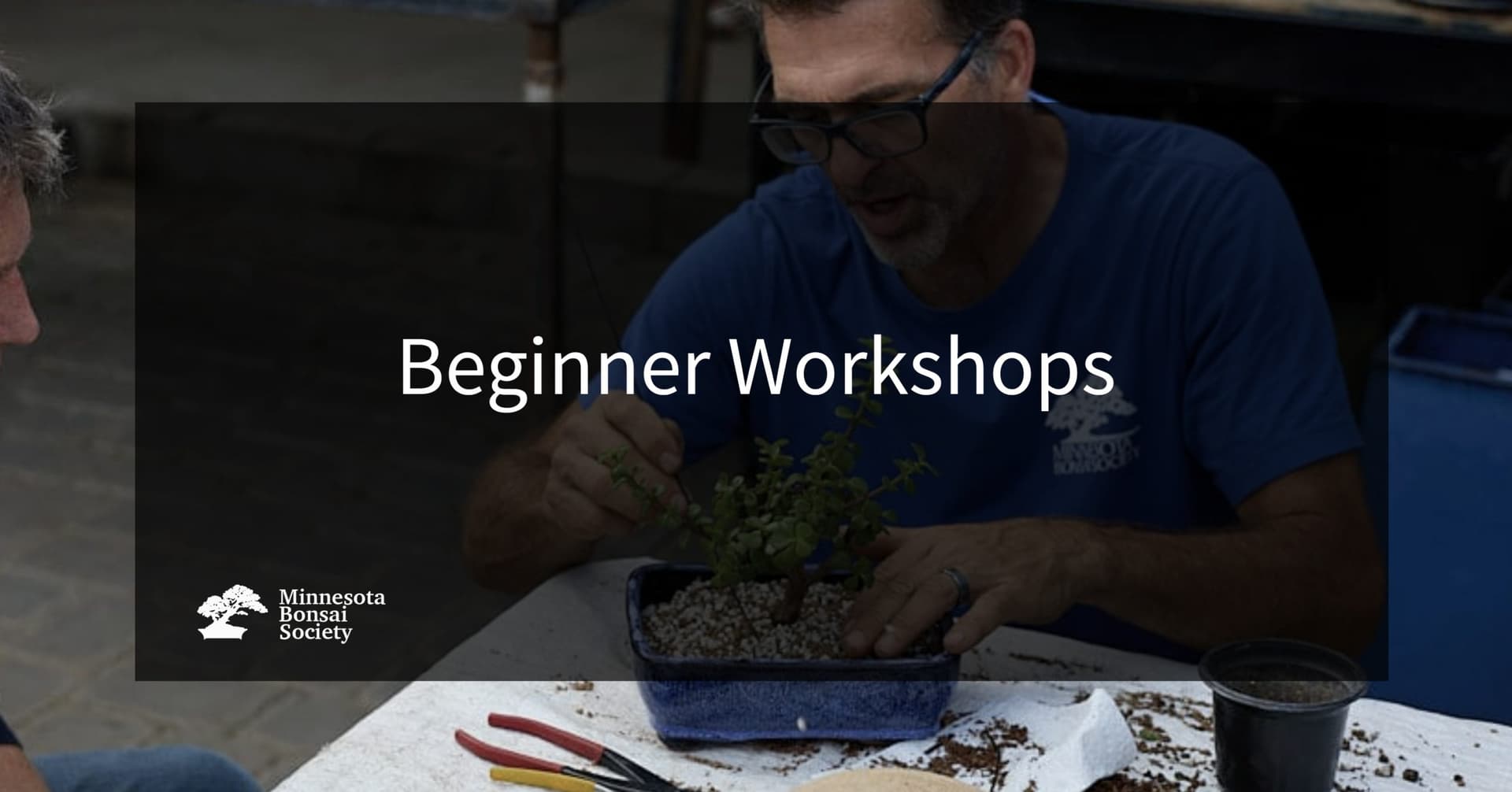
The society’s home page says Minnesota Bonsai Society was founded in 1971 and describes it as an all-volunteer organization. That background gives the beginner program some weight. This is not a pop-up class from an outside vendor; it is part of a long-running community group that has been teaching bonsai across generations of growers. The volunteer structure also suggests the kind of hands-on, club-level education many beginners need most, where practical technique matters more than polish.
The catalog itself hints at how the society schedules its teaching year. A separate Tropical Beginner Workshop: July 18 Afternoon listing appears sold out and priced at $95.00, showing that beginner tropical sessions are part of a real, paid class offering rather than a casual demo. For a new grower, that price tag is useful context: this is a workshop you budget for, plan around, and take seriously.
What a newcomer can realistically learn
A tropical beginner session is most valuable when it answers the questions that matter on day one. New growers need to know which tropical species fit indoor conditions, how much light the tree needs, when to water, and how far to push styling without stressing the plant. Those are the practical details that turn a bonsai purchase into a workable growing plan.
The compact morning format also helps. A short, focused workshop is easier to absorb than a sprawling seminar, especially for someone who is still learning the basic vocabulary of bonsai. It is the kind of class that can take a beginner from uncertainty to a clear next step: keep the tree indoors through winter, establish a routine, and build confidence before moving on to more demanding material.
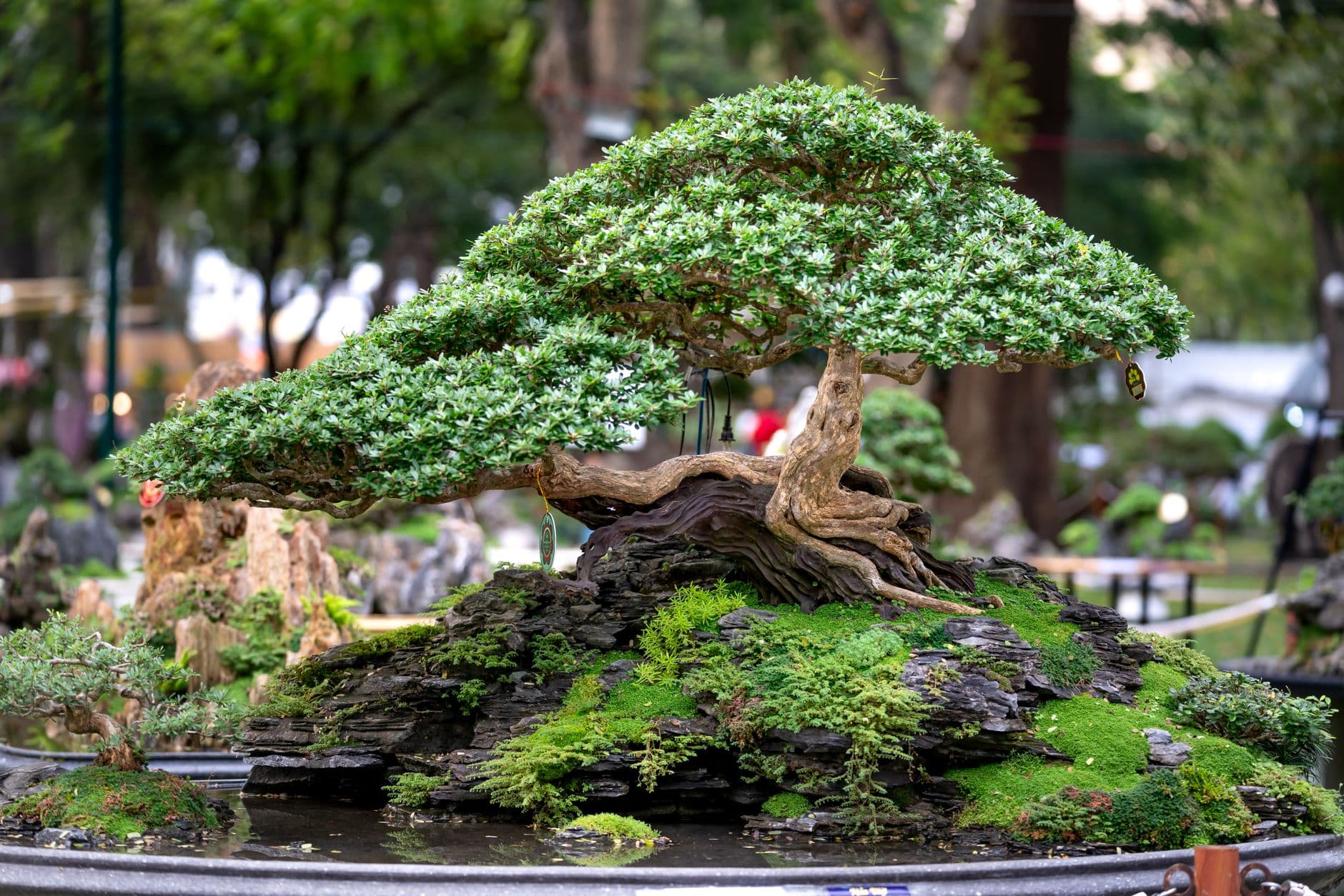
Minnesota Bonsai Society’s broader beginner calendar reinforces that progression. Alongside the tropical session, the catalog also shows a Juniper Beginner Workshop for April 26 Morning. That pairing signals a deliberate educational ladder: different species, different seasons, same beginner-friendly goal. Tropical material handles the indoor problem first; juniper pushes the learner toward outdoor bonsai fundamentals later.
Why this workshop is the right first move
For anyone standing at the edge of bonsai, the hardest part is not styling wire or bonsai terminology. It is choosing a first tree that matches real life. Minnesota Bonsai Society’s tropical beginner class meets that problem head-on by giving new growers indoor-friendly material, a seasonal window that fits the society’s recurring schedule, and a clear place to start within a long-running volunteer organization.
That is what makes the July 19 morning workshop useful now. It is not just another class listing in a catalog. It is a practical on-ramp for the beginner who needs one reliable tree, one manageable schedule, and one clear answer to the question every new bonsai grower asks first: what should I learn with?
This article was produced by Prism’s automated news system from verified source data, official records, and press releases, then run through automated quality and moderation checks before publishing. The system is built and supervised by the people who set the standards it runs under. Read our full AI policy.
Did this article answer your question?