Morikami Museum hosts World Bonsai Day, spotlighting major outdoor collection
Morikami's World Bonsai Day packs lectures, clinics, vendors and the U.S.'s largest outdoor bonsai collection into one full-day field trip.
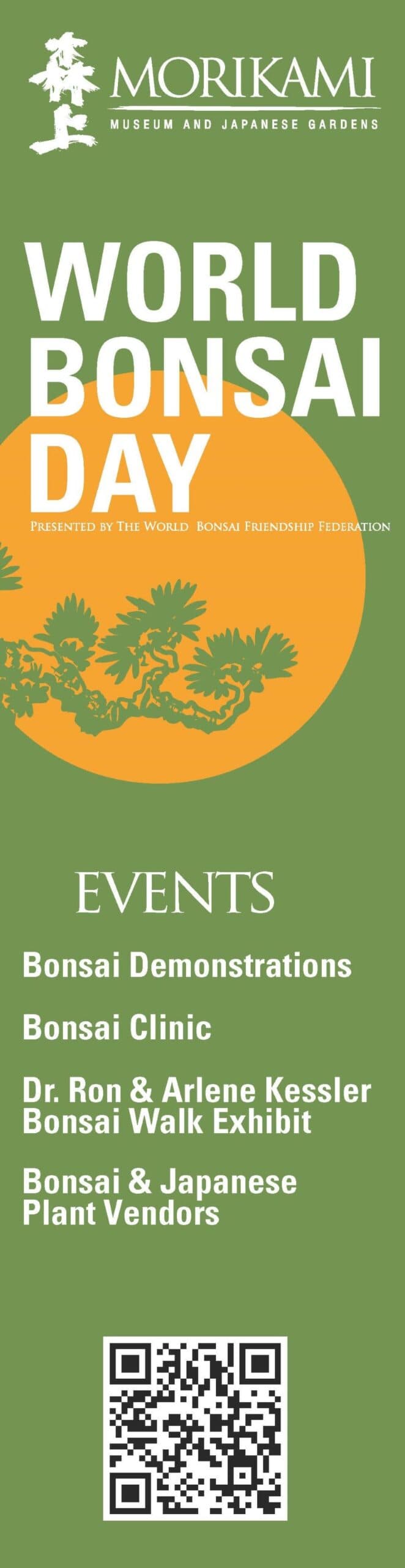
Morikami's World Bonsai Day is the kind of bonsai outing that can reshape your whole season. On Saturday, May 9, 2026, from 10 a.m. to 5 p.m., Morikami Museum and Japanese Gardens is turning its grounds into a live, working bonsai day with lectures, demos, clinics, vendors and food, all anchored by one of the most significant outdoor bonsai collections in the country. If you want a single event that lets you see trees, buy material, ask questions and watch the masters teach in real time, this is it.
The smartest way to approach the day is to think in layers, not just hours. The vendor area is the first layer, and it is worth an early pass because the list is stacked with bonsai plant sellers, Japanese artisans and food stops: Bonsai Brothers, Bonsai Florida, Bonsai Operations H&F Imports, Sunshine Tropical Gardens, Kazumi Gardens, My O My Bonsai, Yoshino Arts, Kona Ice and Akiko-ya. The second layer is the teaching schedule, which gives the day real structure: Boon Manakitivipart is set for bonsai lectures and demonstrations at 11 a.m. and 1 p.m., while Heather Grzybek, Morikami’s garden curator, will give a noon lecture on Roji-en, the Garden of the Drops of Dew.
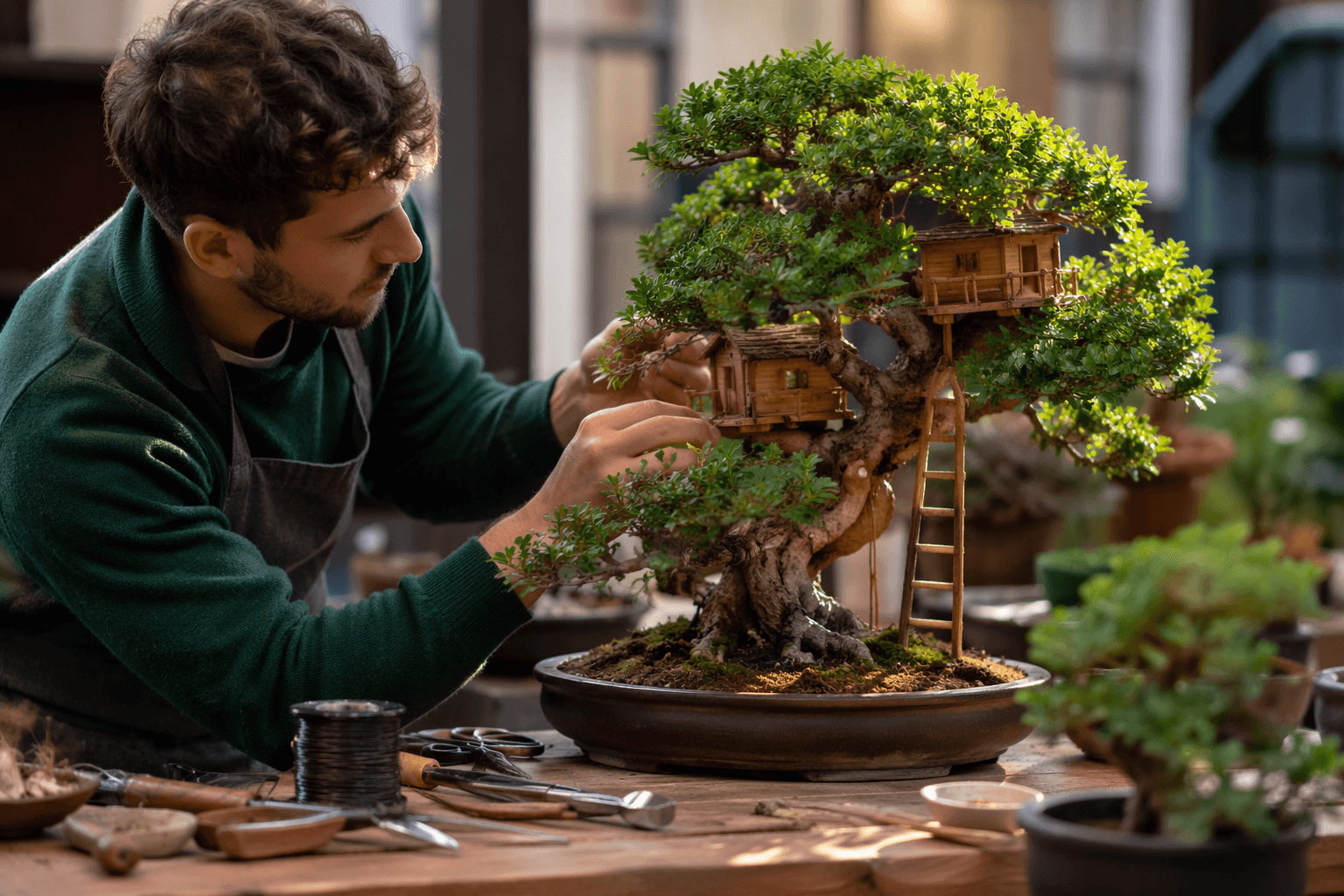
If you are newer to bonsai, start with the noon lecture and use the demos as your next step. Heather Grzybek’s Roji-en talk is the best way to understand the garden context around the collection before you start parsing wire, chopstick work and styling choices at the benches. Then follow Boon Manakitivipart’s sessions at 11 a.m. and 1 p.m. for a front-row look at pruning and potting technique from a grower whose path runs from the Bonsai Society of San Francisco to training in Japan and multiple awards on both sides of the Pacific. That combination makes Morikami unusually beginner-friendly: the day is not just about admiring trees, but about giving you a vocabulary for what you are seeing.
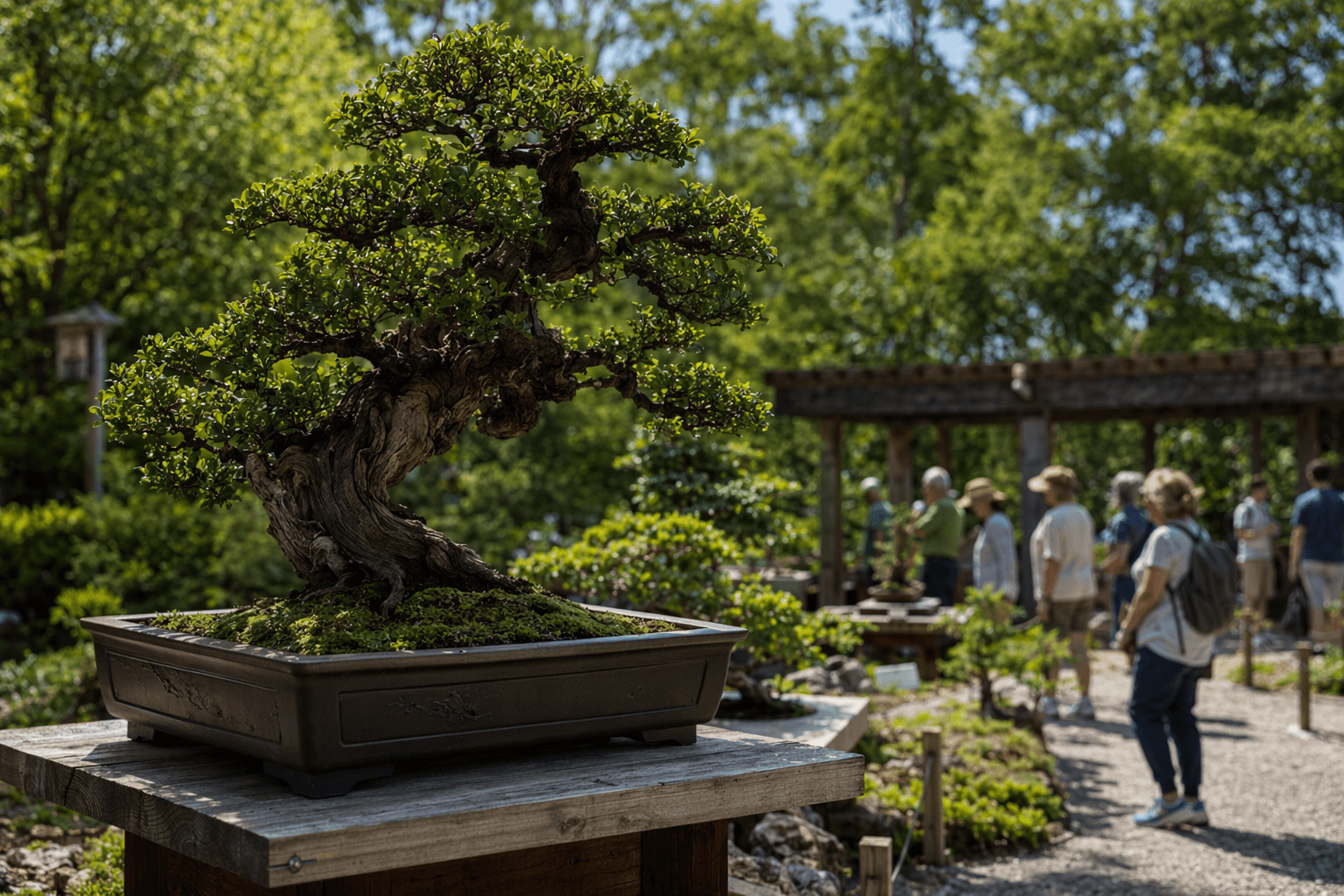
If you already grow trees, the live clinics are the main reason to stay all day. Morikami says bonsai clinics will run from 10 a.m. to 5 p.m., with live demonstrations and review by bonsai masters throughout the event, and visitors are invited to bring a small, portable bonsai for critique. That matters because it turns the day into a practical workshop, not just a show floor, and the value is immediate: you can walk in with a problem tree and leave with an actual direction for repotting, pruning, styling or just better aftercare. For people actively refining stock, the clinic format is where the event becomes hands-on rather than observational.
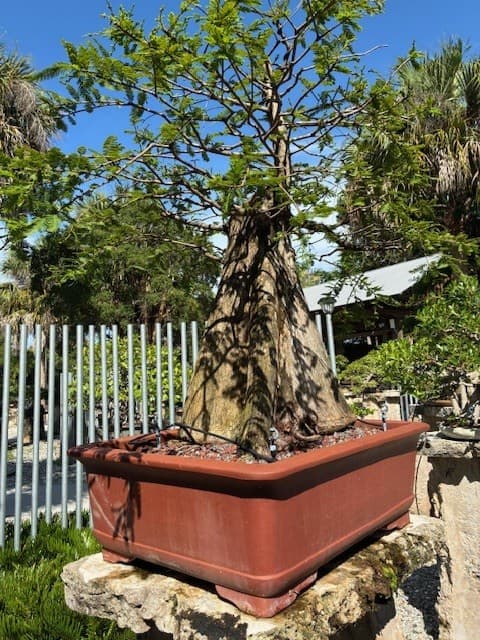
Morikami’s collection gives World Bonsai Day its weight. The museum says its bonsai collection was named a World Bonsai Friendship Federation Cooperation Center in 2013, and it identifies the collection as the largest outdoor bonsai collection in the United States. Morikami also marks Monday, January 7, 2013, as the day the collection was officially designated the 3rd WBFF Cooperation Center in the United States, a detail that places the garden inside a much broader international network of bonsai education and exchange. That backstory is what makes this more than a local festival: it is a public showcase for a serious institutional collection.
The World Bonsai Day framing reaches back to the movement's founders and its philosophy. Morikami says the World Bonsai Friendship Federation was formed in 1989 in Japan by Saburo Kato and John Naka to promote peace and goodwill through bonsai, and the federation’s own history places its roots in the late 1970s, with Expo '70 in Osaka as a catalyst. National Bonsai Foundation material says World Bonsai Day was inspired by Saburo Kato’s idea of “bonsai no kokoro,” the spirit of bonsai, which helps explain why this day carries so much emotional and cultural weight across the community. Kato’s own words still frame the tone: “From bonsai we receive peace of mind, health, and life's pursuit.”
The setting adds one more practical reason to go. Palm Beach County lists Morikami Park at 4000 Morikami Park Road in Delray Beach, and describes the site as a county park with a bonsai collection, museum building, Japanese gardens and theater. Morikami’s mission is to present Japanese cultural experiences that educate and inspire, and World Bonsai Day fits that mission neatly by folding the collection, the lectures and the vendors into one public-facing program. For anyone trying to turn curiosity into practice, this is the kind of day that can supply material, instruction and context before lunch is over.
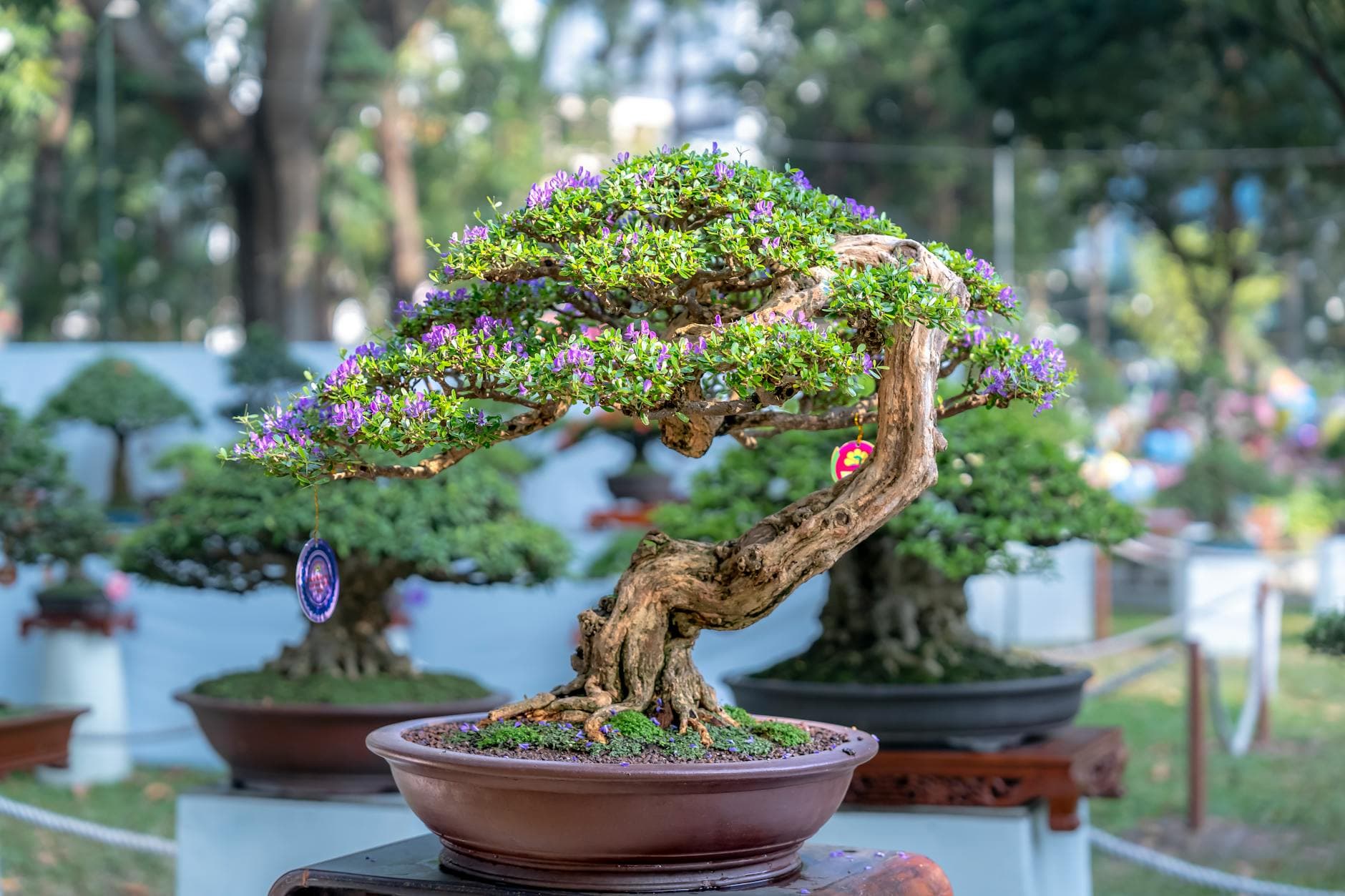
At Morikami, World Bonsai Day is not a passive walk-through. It is a full working day in the bonsai world, with the strongest payoff going to anyone who arrives ready to listen, shop, ask questions and leave with a sharper eye for trees.
This article was produced by Prism’s automated news system from verified source data, official records, and press releases, then run through automated quality and moderation checks before publishing. The system is built and supervised by the people who set the standards it runs under. Read our full AI policy.
Did this article answer your question?