Climate-Resilient Bonsai, Best Tree Species for Changing Weather Patterns
Juniper and elm are the safest bets when weather gets messy, while olive and ficus work best only if your climate or setup matches their needs.
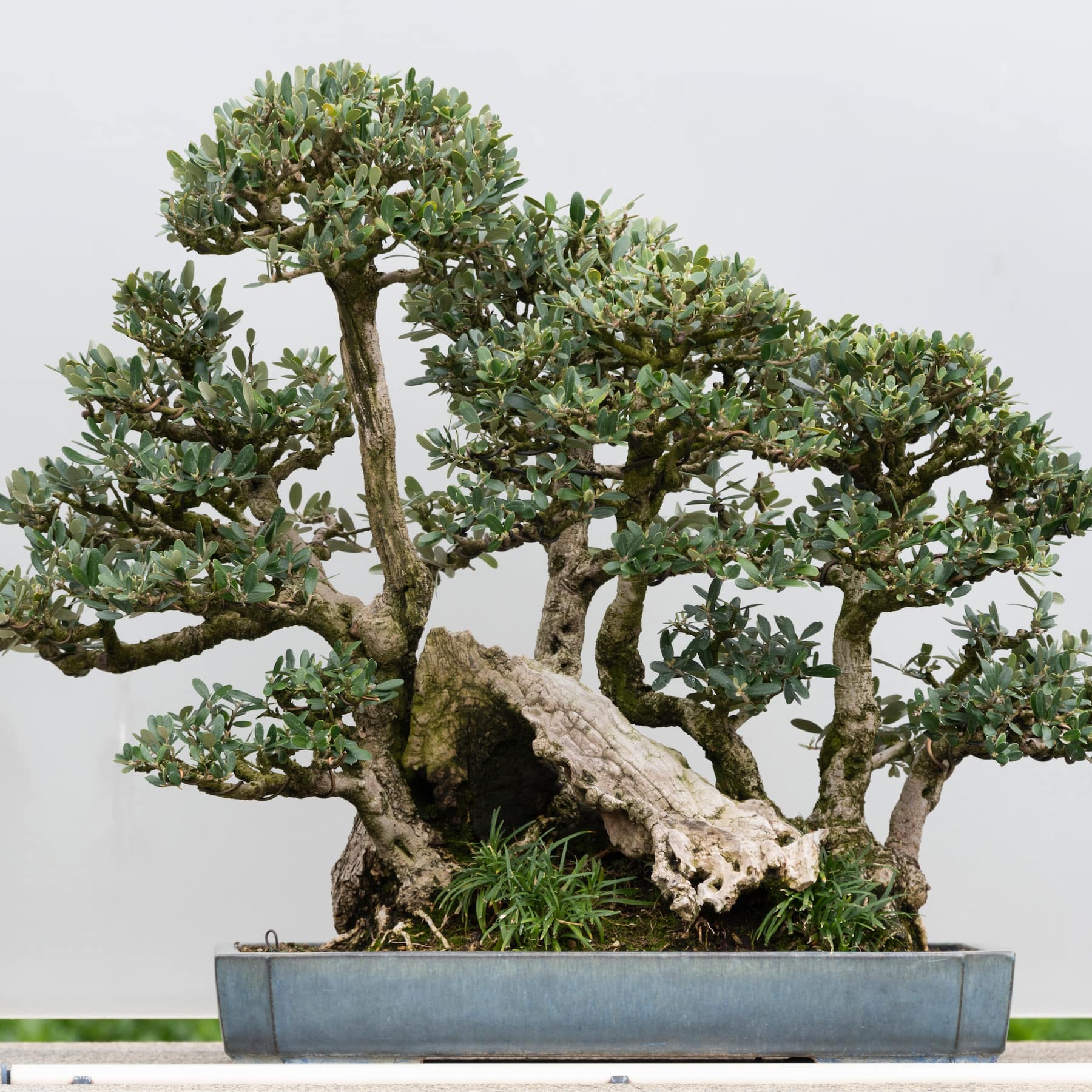
1. Juniper
If I were buying one bonsai for a climate that throws heat waves, dry spells, and surprise stress at the bench, juniper would be my first stop. North Carolina State lists Juniperus procumbens ‘Nana’ as drought-, heat-, and dry-soil tolerant, and it is frequently used for bonsai, which is exactly the kind of profile that buys you time when watering gets inconsistent. In a continental climate you still need semi-shade in summer and frost protection in winter, but juniper gives you the best margin for error before those protections even come into play.
2. Elm
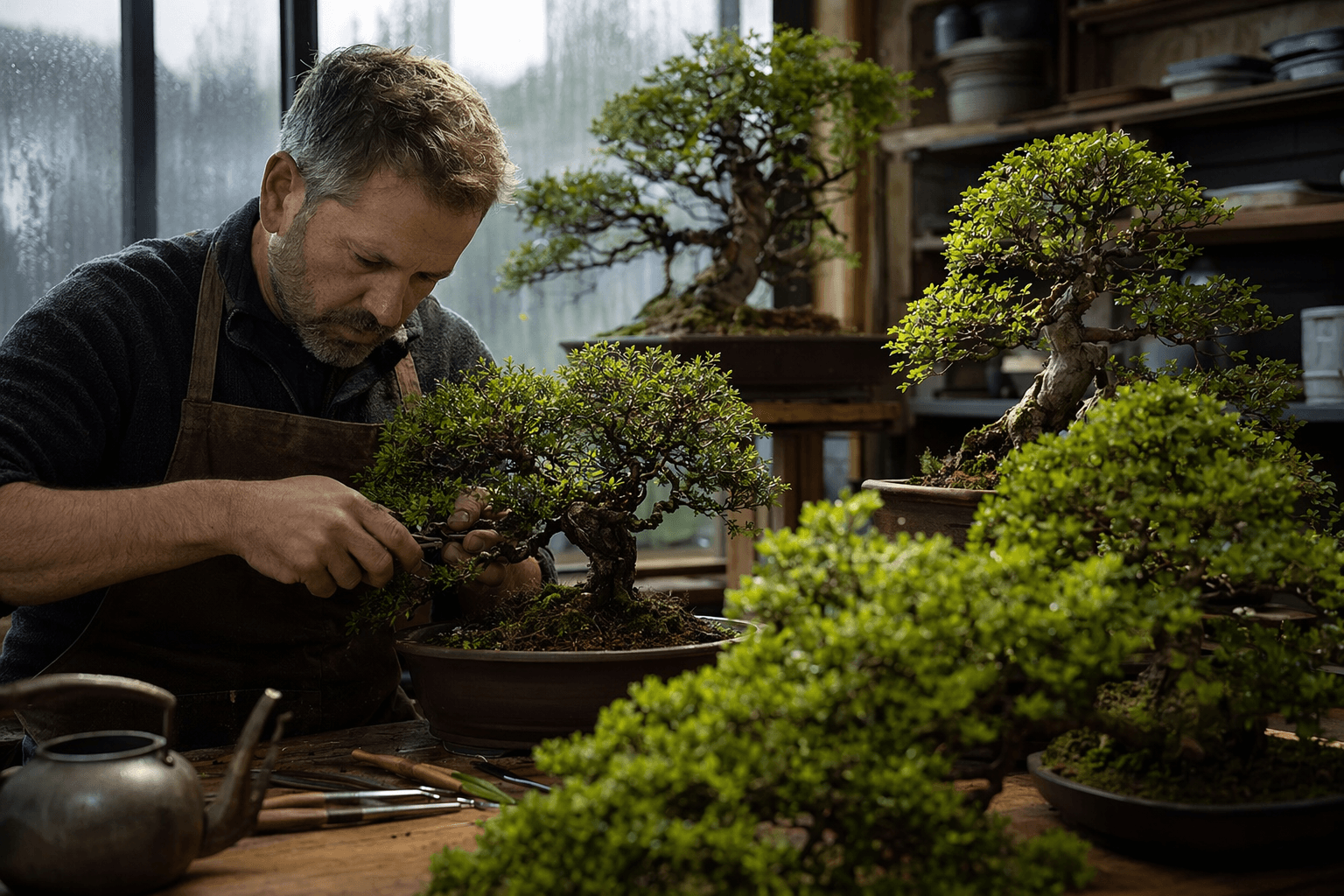
Elm is the tree I’d rank second because it handles a swinging forecast without acting precious about it. Bonsai Empire includes Chinese elm among popular bonsai choices, and that reputation comes from a simple strength: it is adaptable enough to stay useful when warm, dry periods are followed by more moisture. For beginners, that kind of flexibility matters as much as styling potential, because a forgiving tree lets you learn repotting timing, watering rhythm, and seasonal moves without punishing every small mistake.
3. Olive

Olive belongs high on the list if your local weather looks more Mediterranean than continental. Texas A&M notes that olives are native to the Mediterranean Basin, and North Carolina State says Olea europaea performs best in hot, dry summers and mild, wet winters, then becomes drought tolerant once established. That combination makes olive a smart buy for growers who want heat tolerance and real watering forgiveness, but it is not the tree I’d choose if winter lows are sharp or if your humidity stays stubbornly high.
4. Ficus
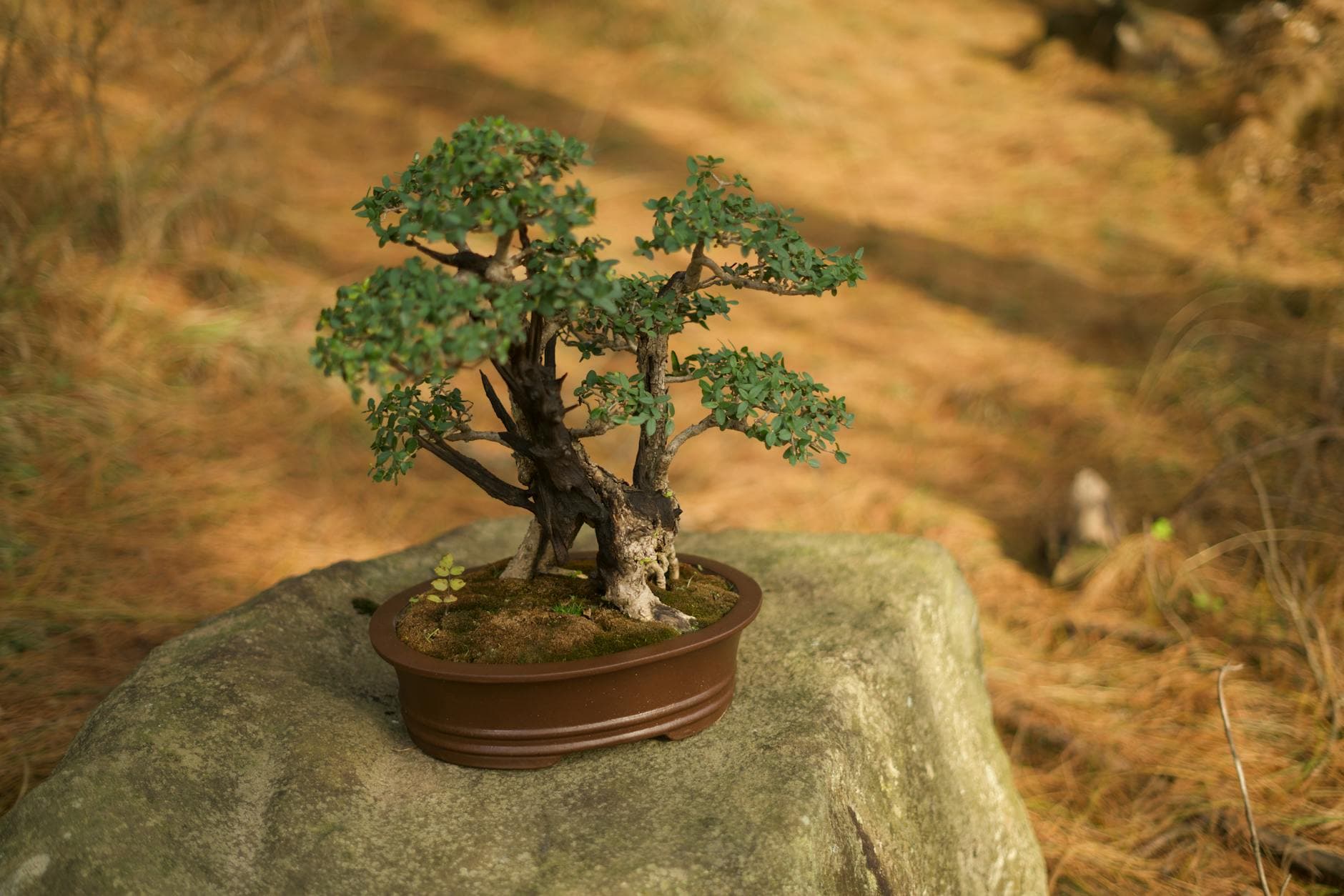
Ficus is the specialist, not the broadest climate hedge, and that is why it lands last in this ranking. North Carolina State describes Ficus microcarpa ‘Golden Gate’ as tropical and subtropical, with a need for warm, humid conditions and temperatures above 68 degrees Fahrenheit all year, which makes it a strong indoor or warm-climate option but a poor match for cold snaps and dry air. If you can provide that steady heat and humidity, ficus can be a very manageable bonsai; if your weather shifts hard, it becomes a tree that asks you to control the room as carefully as the soil.
The practical buying lesson is simple: stop shopping for the bonsai species you wish your weather supported, and start shopping for the one that can live through the weather you actually have. Bonsai has always evolved, from ancient Chinese traditions refined in Japan to the climate-first decisions growers make now, and the best collections in unstable weather will be built around resilience first, refinement second.
This article was produced by Prism’s automated news system from verified source data, official records, and press releases, then run through automated quality and moderation checks before publishing. The system is built and supervised by the people who set the standards it runs under. Read our full AI policy.
Did this article answer your question?