Pacific Bonsai Museum Photos Reflect on Time, Memory, and Resilience
Photos from the Pacific Bonsai Museum inspired an essay linking bonsai form to memory and resilience, urging stewards to value aged trees.
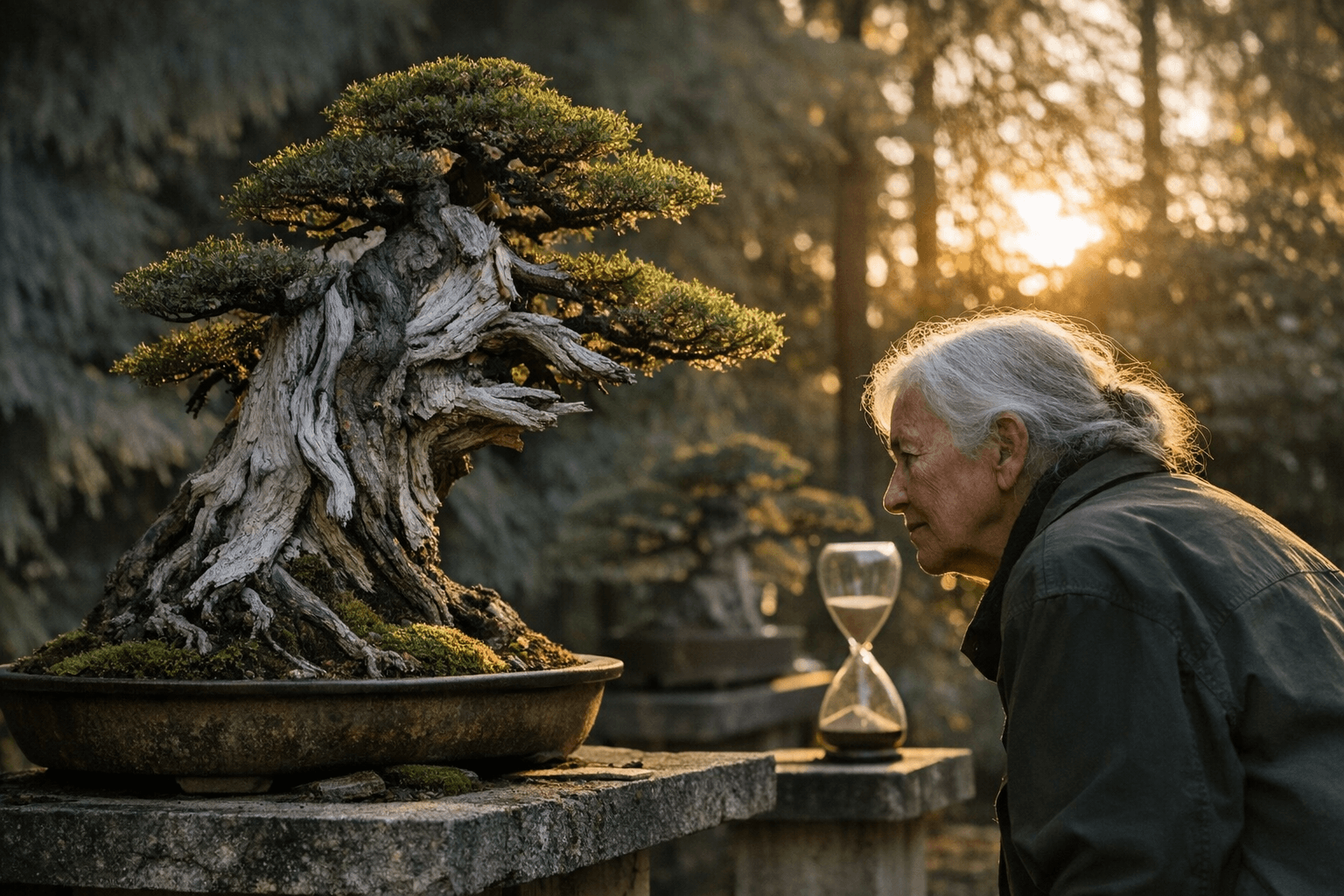
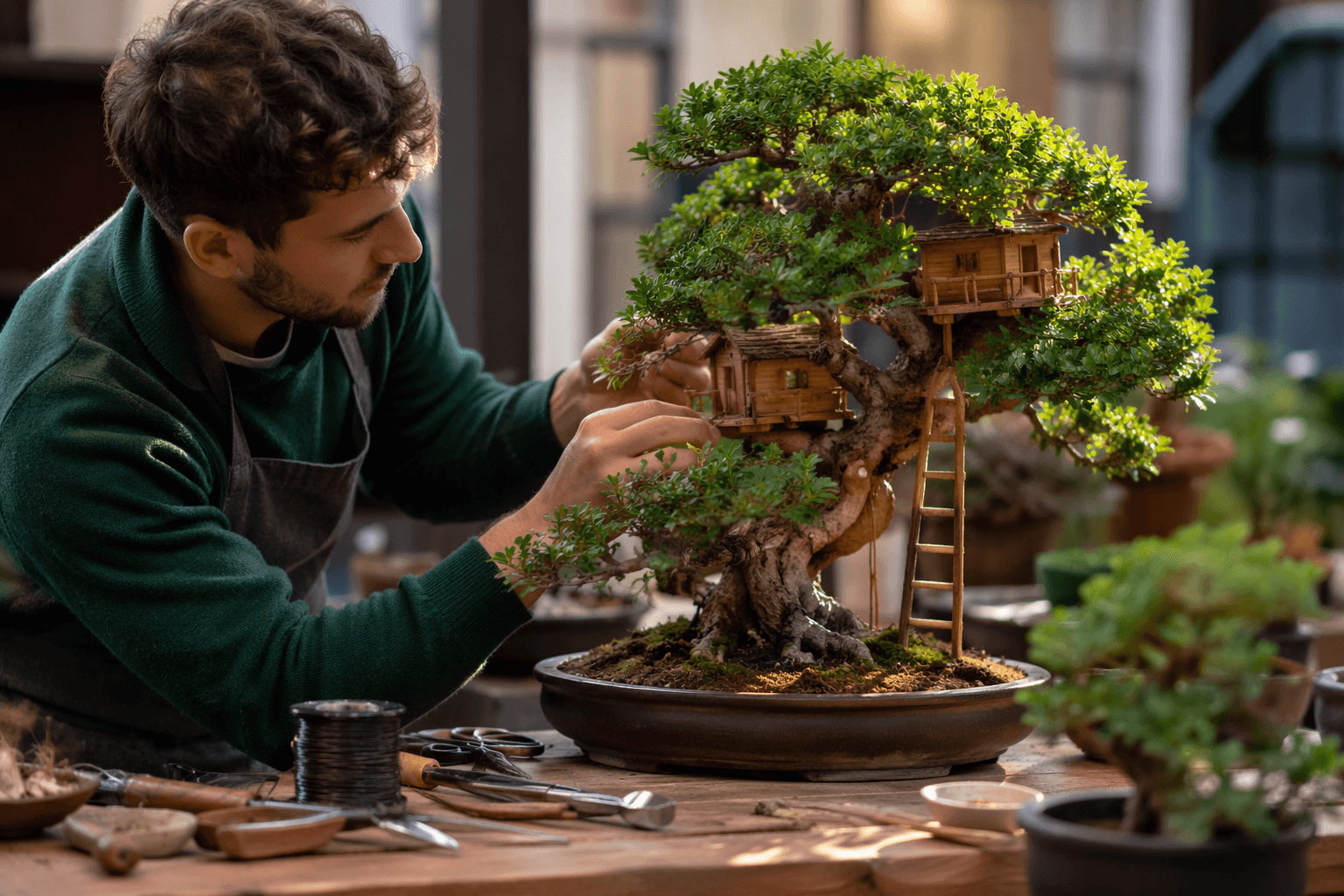
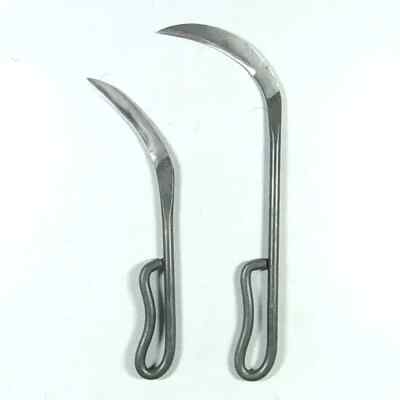
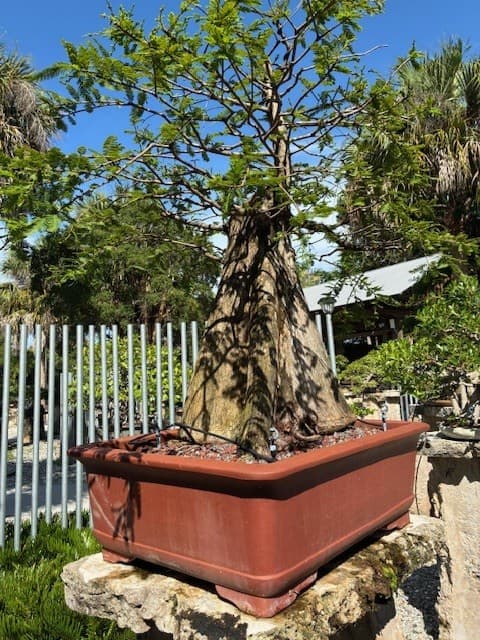
Photographs taken at the Pacific Bonsai Museum provided the central images for a short personal essay released Jan 17, 2026 that reflects on time, human hands, and the stories older trees carry. The piece moves between close observational description and contemplative thought, using specific bonsai forms and characteristics - chokkan, bunjingi, saba-miki, scars, taper, and nebari - to consider ageing, memory, and resilience.
The essay begins with tight, image-driven observation of tree form. Chokkan, in its upright authority, and bunjingi, in its sparse literati posture, receive the same attentive scrutiny as the more unusual saba-miki specimens. That focus on structure and surface ties concrete horticultural vocabulary to larger themes: scars as recorded events, taper as evidence of recovery or loss, nebari as the visible negotiation between root and soil. Those technical terms are not used as how-to cues but as a language for reading a living history.
For local growers and museum volunteers, this approach has practical value. Photographs become more than pretty pictures; they function as documentation of a tree’s biography. When scars, taper, and nebari are recorded consistently, stewards can make informed choices about wiring, pruning, and exhibition that respect a tree’s past trauma and future resilience. The essay’s perspective encourages careful documentation and conversation about preservation priorities, especially for older material that embodies decades of shaping and survival.
The Pacific Bonsai Museum setting matters because its collection includes specimens whose age and human intervention are legible in the trunk and roots. By foregrounding observable features rather than abstract metaphors, the essay models a way to look that members of clubs, teachers, and show judges can adopt. Photographers learn to frame nebari for clarity; caretakers learn to note healed wounds rather than masking them; curators balance aesthetics with a tree’s lived record.
This reflective piece also pushes community memory into the foreground. Personal and public histories intersect in bonsai - a grafted scar can mark a moment of crisis or a moment of rescue. Accepting those marks as part of the tree’s narrative shifts priorities from cosmetic perfection toward long-term stewardship and storytelling.
For readers, the takeaway is twofold: see trees as repositories of time, and use photography and careful observation as tools for stewardship. Expect more conversations at club meetings and museum tours that treat nebari and scars as prompts for oral history, and consider documenting your own trees with the same attention to detail the essay models.
This article was produced by Prism’s automated news system from verified source data, official records, and press releases, then run through automated quality and moderation checks before publishing. The system is built and supervised by the people who set the standards it runs under. Read our full AI policy.
Did this article answer your question?