Rare Bonsai Trees Stolen From Christchurch Café, Including 1941 Larch
Four bonsai stolen from a Christchurch café include an 85-year-old larch trained since 1941, the second theft Aaron Curtis has suffered in under six months.
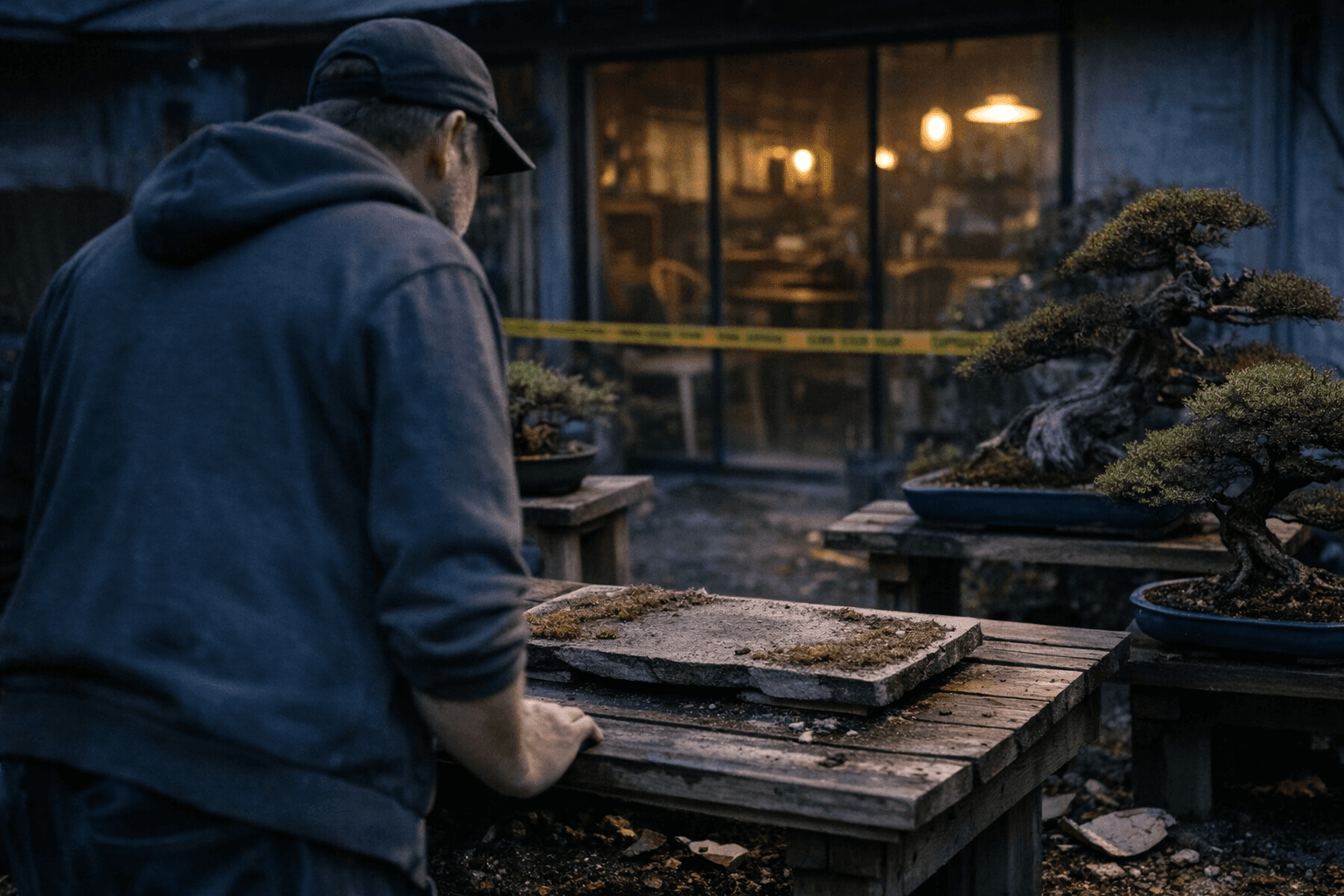
Four rare bonsai trees disappeared from Shiro Bonsai's café display at New Brighton Mall on the night of March 29, taking with them a thread of living history that cannot simply be replaced. The oldest of the four, a larch with roots stretching back to 1941, had survived 85 years of training across multiple caretakers before it was carried out into the Christchurch dark.
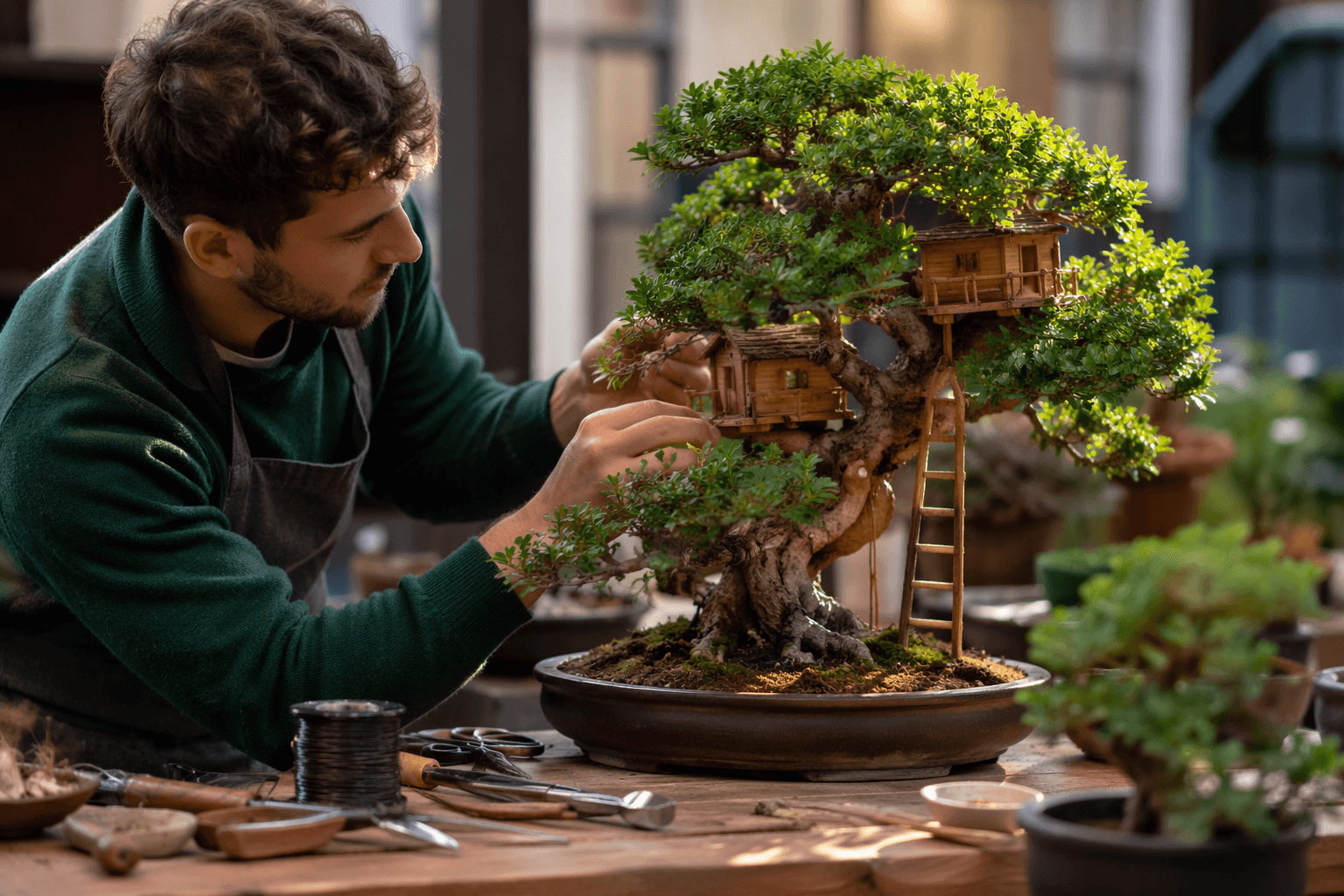
Aaron Curtis, who founded Shiro Bonsai in 2021 and deepened his practice through more than 20 trips to Asia, described the loss in terms familiar to anyone who has spent years shaping a tree. "They are history & like children to me!" he said. The theft was the second Curtis has suffered in less than six months: trees were also taken from his home the previous October. "I had trees stolen from our home last October & no action was done by the police," he said. "I'm scared it will continue again."
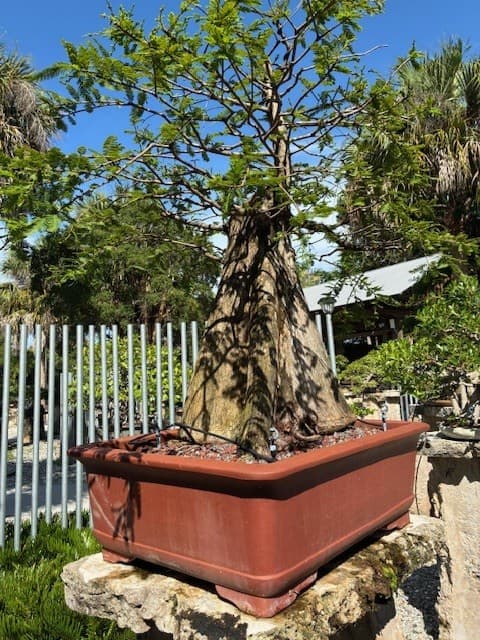
The four stolen specimens include the 1941 larch, one of Curtis's oldest trees, and a Japanese black pine estimated at approximately 25 years old. Curtis described the collection as worth thousands of dollars. That figure, accurate as it may be, understates what was taken: decades of accumulated wiring decisions, repotting cycles, and the specific knowledge embedded in each tree's form cannot be insured or recovered through a sale price.
The café display at 121 Brighton Mall had made Shiro Bonsai one of the few places in New Zealand where trained specimens lived in a fully public-facing space. Curtis built his operation on accessibility through workshops, a retail store, and a growing online following, and the display was an extension of that ethos. Its openness was also its vulnerability.
Police have been notified, and photographs and descriptions of the stolen trees are circulating through local bonsai networks and social platforms. The 1941 larch, identifiable by its advanced age and documented provenance, represents the kind of specimen that is difficult to anonymize and nearly impossible to recreate. Anyone encountering trees matching the descriptions through local online marketplaces, secondhand platforms, or pawn shops is asked to contact police with photographs rather than approach any seller directly.
The incident has renewed pressure within Christchurch's bonsai community to document collections before something goes wrong: species records, photographs of distinctive nebari and pot markings, and substrate composition notes all strengthen recovery cases considerably. For Curtis, who now faces a second investigation with uncertain prospects, the practical argument for that documentation is no longer abstract.
This article was produced by Prism’s automated news system from verified source data, official records, and press releases, then run through automated quality and moderation checks before publishing. The system is built and supervised by the people who set the standards it runs under. Read our full AI policy.
Did this article answer your question?