RHS Year-Round Bonsai Guide Advises on Indoor and Outdoor Care
RHS's year-round bonsai advice lays out practical indoor and outdoor care, with seasonal timing, species choices, watering and wiring basics to help growers plan the year.
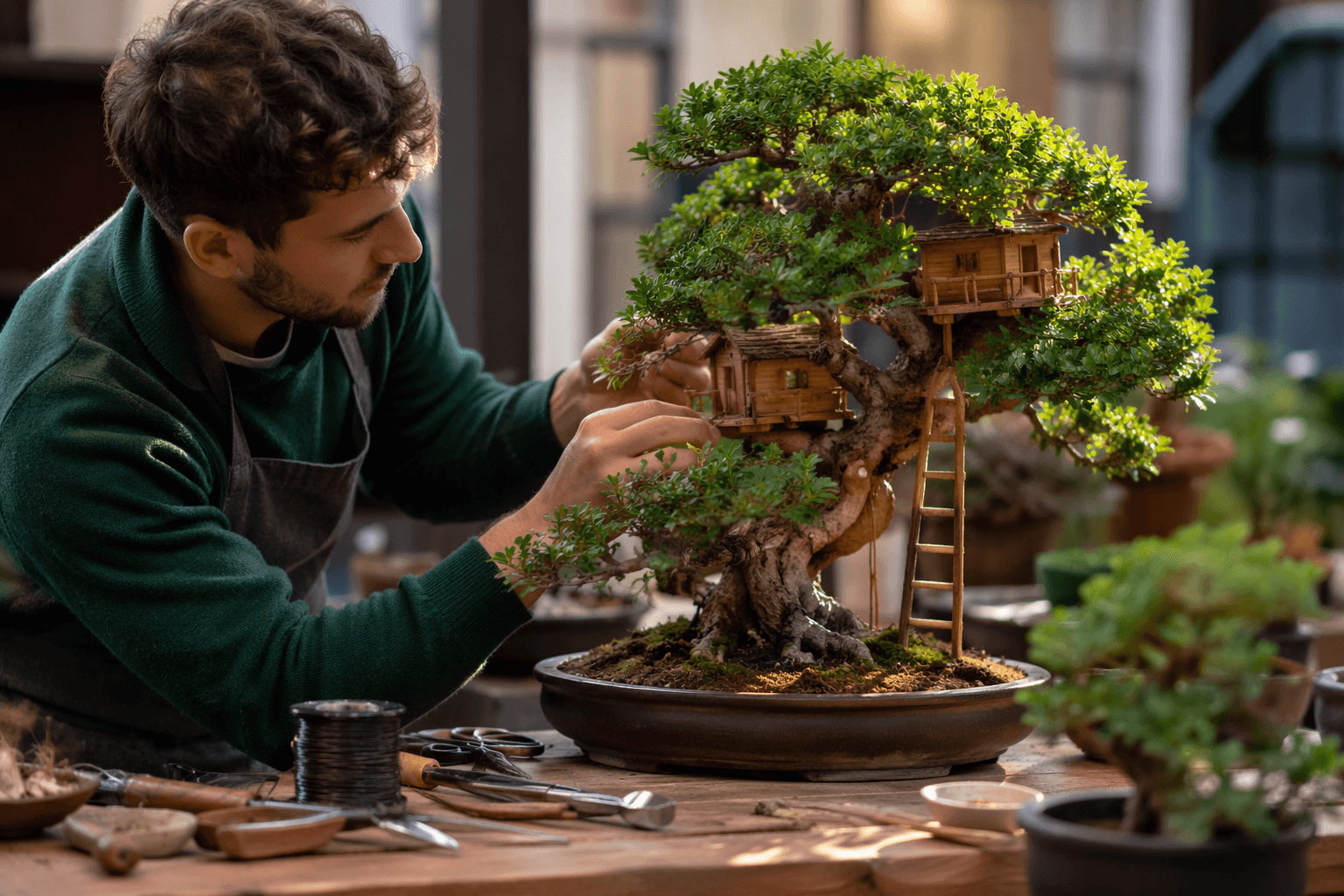
Successful bonsai care begins with matching the right tree to the right environment and timing work to the seasons. The RHS year-round guidance focuses on species selection, seasonal pruning and repotting, watering and feeding, and safe wiring and shaping practices so both beginners and experienced growers can plan an annual maintenance cycle that suits their local climate.
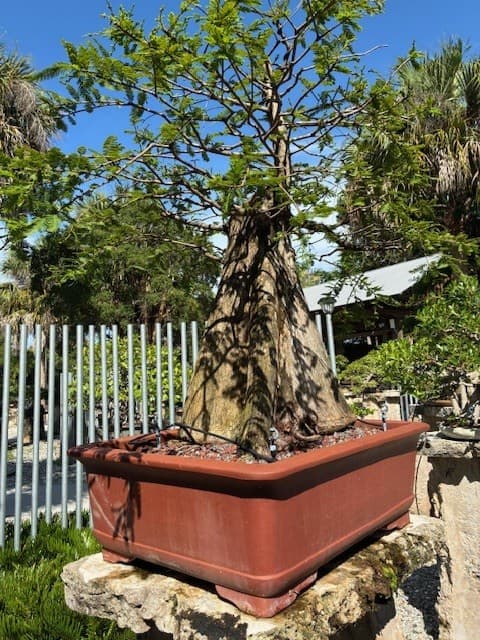
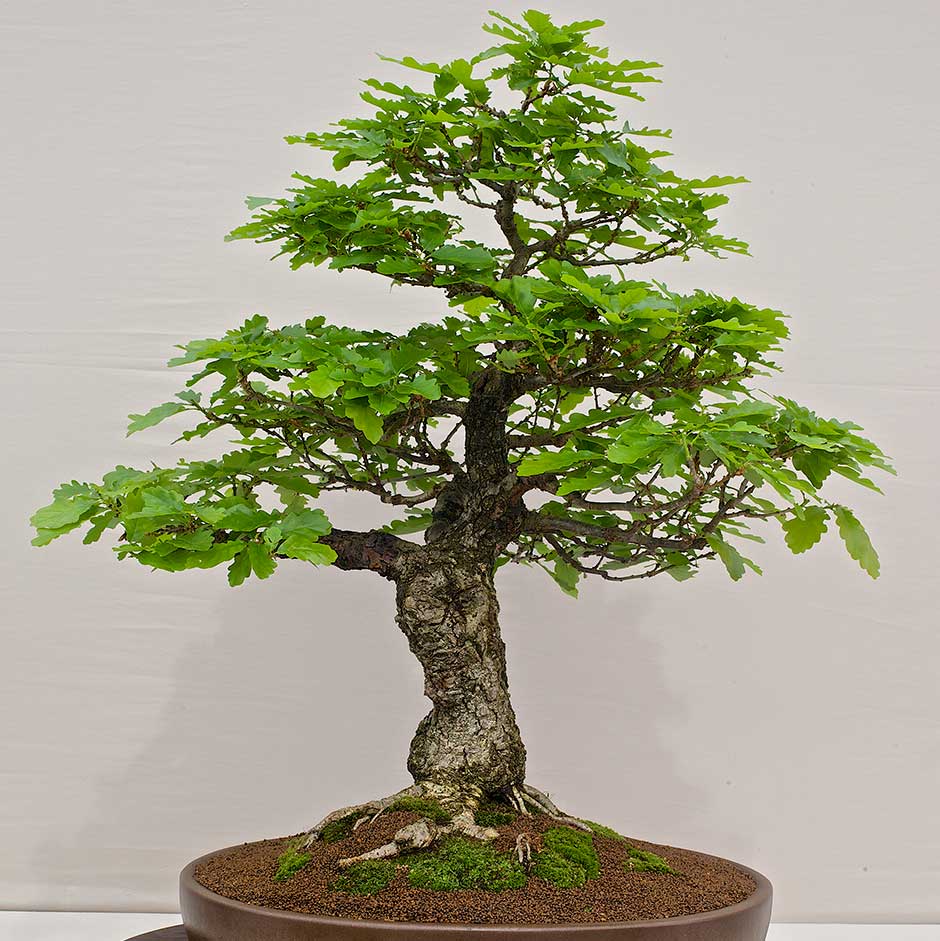
Start with species. Good candidates highlighted include scots pine, larch, Taxus, Japanese maple, Lonicera nitida, and azaleas. These choices reflect a mix of conifers and deciduous shrubs that respond well to bonsai techniques. The guidance stresses that whether a tree lives indoors or out depends on species and local conditions - many of the recommended plants are outdoor types that need seasonal cold dormancy.
Timing is central. Major root work and repotting should be scheduled for spring when trees are moving into active growth, while structural work on conifers is better done in autumn and winter when shoot change is slower and the risk to health is lower. That seasonal split helps preserve nebari and ramification while reducing shock from heavy pruning or root disturbance.
Watering and feeding are handled with common-sense cues rather than rigid calendars. Keep compost just moist, not waterlogged, and check moisture frequently rather than following a fixed schedule. Rainwater is preferred where possible, and liquid feed during the growing season supports leaf and shoot development. This moisture-first approach helps avoid root rot and drought stress that are common problems in container culture.

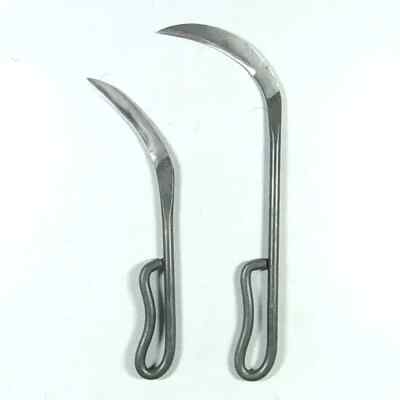
Wiring and shaping basics are covered with an emphasis on appropriate timing and tool care. Use wiring to guide ramification and accentuate movement, but monitor wire to prevent scarring as growth accelerates. Practical safety measures include keeping tools clean and using the right tool for the job to limit disease transmission and accidental damage.
Seasonal considerations extend beyond pruning windows. Because microclimates vary - yards, patios, conservatories, and windowsills all present different exposures - adjust shelter, watering, and feeding to local conditions. Check moisture levels, observe bud swell and leaf emergence, and move plants to protect them from extremes. These small adjustments make big differences to long-term health and styling outcomes.
For the community this means plan the year around species needs: book repotting slots in spring, reserve late-season weekends for conifer structure, keep a routine moisture check, and prioritize rainwater and liquid feeding during active growth. With the basics aligned to your local climate and a focus on clean tools and proper timing, bonsai care becomes predictable and rewarding. Expect healthier nebari, cleaner ramification, and fewer emergency rescues as the season unfolds.
This article was produced by Prism’s automated news system from verified source data, official records, and press releases, then run through automated quality and moderation checks before publishing. The system is built and supervised by the people who set the standards it runs under. Read our full AI policy.
Did this article answer your question?