Series 9 How to Grow Maples and Zelkova Now Available Digitally
Learn practical techniques for styling, pruning, wiring, repotting, and seasonal care for maples and zelkova, and where to get the new Series 9 digital guide.

The ninth volume in the species-specific series, 樹種別シリーズ ⑨ 楓・けやきの育て方, is now available digitally through major electronic bookstores including Apple Books, Amazon Kindle, Rakuten Books, dブック, and others. Whether you want to sharpen your autumn color, refine branch structure, or improve root health before the next show season, this guide gathers proven methods and seasonal timing tailored to maples and zelkova. Below I break down what matters most for each species and how you can apply those lessons in your own collection.
1. Maples (楓 / kaede)
Maples are prized for delicate ramification and spectacular autumn color; they respond quickly to pruning and wiring but can bruise and bleed if handled in the wrong season. Focus on rhythm: strong structural pruning in late winter to early spring before sap rise, maintenance pruning in summer to maintain silhouette, and leaf pruning (sacrifice leaves) in mid-summer only when you want to accelerate ramification or reduce internode length. Wires must be checked frequently, maples set quickly and thin bark will bite into wiring within a few months. For delicate shoots, use aluminum or annealed copper and unwrap wiring once the branch firms; reapply only in the next dormant season.
Soil, watering, and nursery angles are crucial. Maples prefer a fast-draining, moisture-retentive mix, an open akadama-sand-pumice blend supports healthy roots while letting oxygen reach the feeder roots. Keep a consistent moisture regimen during active growth; avoid long dry spells that cause leaf scorch and drop. Repotting is typically done in early spring before bud swell; root pruning should conserve enough fine roots to feed immediate growth but reduce heavy woody roots to encourage new feeder roots.
- Timing is everything, prune structural branches in dormancy, refine in summer.
- Use leaf pruning selectively to improve ramification and maintain small leaves.
- Rotate your wiring schedule so maples never stay wired longer than one growing season.
- Monitor moisture daily in warm weather; shallow containers dry fast.
Pest and disease vigilance protects fall color and vigor. Look for aphids, scale, and fungal leaf spots; treat early with targeted controls and cultural measures such as improving airflow and removing fallen debris. Winter protection for young container specimens in colder climates helps prevent pot-freeze and root desiccation, insulate pots or move them to a cold frame rather than a heated room. Practical tips:
Community relevance: Maples are the showpiece in many local exhibitions and leaf-collecting swaps. Sharing fall-color photographs, wiring techniques, and before/after repotting shots helps everyone dial in timing for their microclimate. In club workshops, maples often make the best hands-on demos because changes are visible within a season, use them to teach wiring, leaf pruning, and seasonal care.
2. Zelkova (けやき / keyaki)
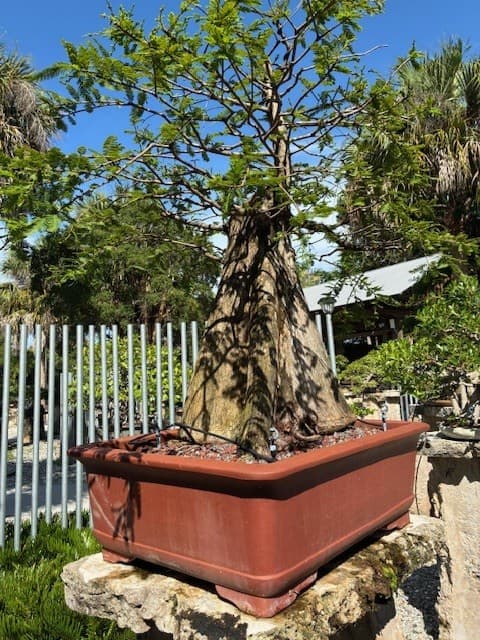
Zelkova is a backbone species for classic Japanese bonsai styles, robust trunks, strong taper, and versatile branching make it an essential subject for training and refinement. Unlike maples, zelkova bark is thicker and more forgiving with wiring, and it tolerates bolder structural work. Commit to shaping early: heavy structural cuts and trunk chops in the juvenile stage create desired movement and taper, while careful backbranching and clamping build ramification over multiple seasons.
Seasonal care emphasizes strong root support and measured pruning. Zelkova benefits from more aggressive root pruning during repotting than maples because it recovers rapidly; repot in late winter or early spring when buds are dormant but ready to push. Maintain balanced foliage to root ratio after major cuts by reducing top growth in stages across the season. Zelkova are also more drought-tolerant once established, but young specimens will reward consistent watering and a steady, mineral-rich substrate that promotes fine root development.
- Use stronger wires and check less often than maples, but still unwrap before bark growth hides wire.
- Build nebari with progressive root pruning and selective root spreading when repotting.
- Adopt staged top reductions after large cuts to avoid shock and reduce dieback.
- Consider heavier fertilizers in early season to support rapid recovery after root work.
Pests and training specifics differ from maples. Watch for scale and leaf-eating caterpillars in summer and use pruning to open the canopy and improve airflow, this reduces fungal pressure and speeds leaf drying after rain. For jin and shari, zelkova takes finishes and lime sulfur well; vintage-style deadwood techniques can add age and character without compromising health when done carefully. Practical tips:
Community relevance: Keyaki are often the backbone of club bonsai displays and public demonstrations because they read well at a distance and respond to dramatic styling moves. Sharing step-by-step images of trunk chops, root work, and nebari improvement in club newsletters or online forums helps newcomers see the long game for zelkova training. Pair a hands-on keyaki workshop with a maple wiring demo for a balanced club syllabus, one teaches finesse, the other teaches bold structure.
- Portable reference: Use the digital edition at bench-side, zoom in on diagrams and photo sequences while you prune or wire.
- Seasonal checklists: Translate the guide’s timing recommendations into a local calendar; mark weeks for repotting, wiring, and leaf pruning so you and your club coordinate care.
- Workshop material: Project images for group demos or share sections as preparation material for classes and critiques.
How to use the digital Series 9 guide in your practice
- Quality soil components (akadama or equivalent, pumice, organic mix) tuned to local water chemistry.
- A set of wiring materials, thin gauges for maples, heavier for zelkova, and a reliable pair of bonsai shears.
- Root hooks and chopsticks for careful repotting, and a solid thermometer or moisture meter to fine-tune watering.
Practical tools and supplies to prioritize
Final thoughts and closing wisdom Digital availability of Series 9 means you can leaf through high-resolution photos and step sequences when you’re actually at the pot, no more guessing from memory alone. Whether you’re refining delicate maple ramification or establishing keyaki trunk movement, focus on seasonal timing, gentle technique for maples, and decisive structure for zelkova. Practice patience: both species reward consistent attention over seasons, and the real progress shows in nebari, taper, and that unmistakable autumn blaze. Take what you learn into the next repotting window, share what works at your next club meeting, and keep tuning technique until your trees look like they’ve always belonged to your pot.
This article was produced by Prism’s automated news system from verified source data, official records, and press releases, then run through automated quality and moderation checks before publishing. The system is built and supervised by the people who set the standards it runs under. Read our full AI policy.
Did this article answer your question?