Ten Pests and Diseases Threatening Bonsai: Identification, Treatment and Prevention
Small infestations can devastate bonsai quickly; identify pests early and use targeted treatment, hygiene, and cultural care to protect your trees.
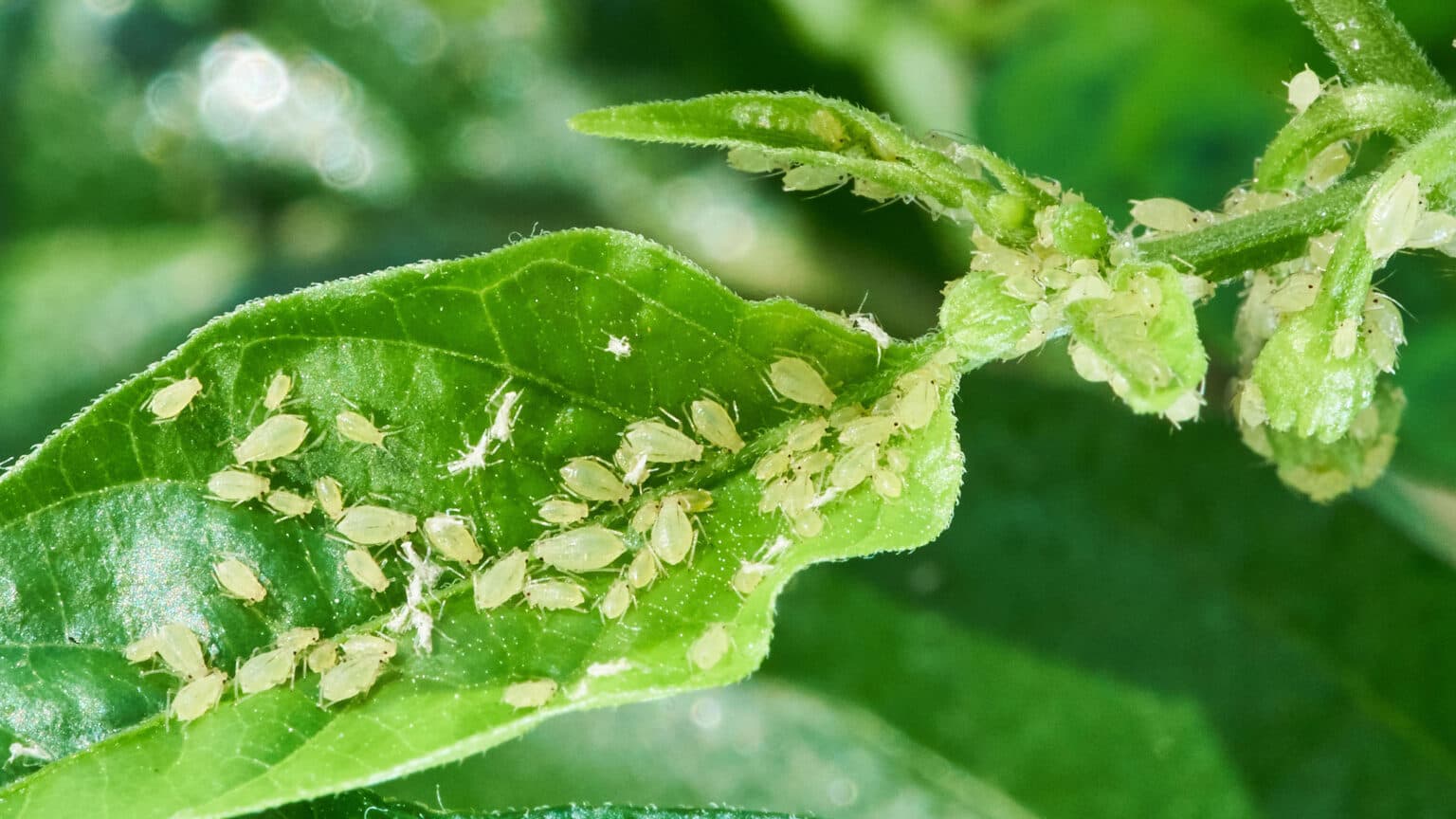
The miniature nature of bonsai also means that even small infestations can quickly overwhelm the tree’s limited resources. A few aphids on a full-sized oak tree might go unnoticed, but the same number on a bonsai can cause significant damage within days," the Agriculture Institute warns, and that fact changes how you inspect and respond.
Across expert bonsai sources, the most frequent biological threats are aphids and thrips, scale and mealybugs, spider mites, root rot caused by Phytophthora and Pythium, viruses, foliar fungi such as powdery mildew, region-specific problems like fire blight and sudden oak death, and a range of stress-related issues that open the door to disease. Identification is straightforward if you know the signs: sticky honeydew and sooty mold mark aphids; silvery streaks point to thrips; hard brown bumps or waxy cottony coverings signal scale; white fluffy masses in branch crotches are mealybugs; and black, mushy roots under healthy-looking soil can betray root rot.
Treatments should begin with low-impact, targeted actions. For mealybugs and soft scales, "Rubbing alcohol dissolves their protective coating. Use a cotton swab to apply it directly." Hard infestations respond to systemic insecticides, particularly on repeat-attacked species such as Acers. For general pest removal, start with simple measures: "Neem oil, insecticidal soap, or a strong stream of water (did anyone say shower?!) can be effective for removing pests," and isolate the infested tree to prevent spread. Remember that ants complicate aphid problems; "If ants are spotted, they should also be dealt with!"
Root rot requires urgency and cultural correction. "Root rot is perhaps the most serious fungal disease affecting bonsai," experts note, and it thrives in waterlogged soils. Roots turn black and mushy while the canopy may yellow or wilt despite moist soil. Prevent by ensuring adequate drainage holes, using well-draining bonsai soil, and learning how often to water based on your tree and environment rather than a rigid schedule. Overwatering can cause roots to rot in a few months, while underwatering can kill a bonsai in days, so tailor watering to species and season.

Viruses and foliar fungi demand strict hygiene. "Plants suffering with a virus should not be grouped together with other plants of the same Genus as to avoid cross-contamination, and tools should be sterilised after use." Remove infected growth, quarantine affected trees, and investigate underlying stressors that leave a tree vulnerable to mildew, rust, or black spot.
Regional risk varies. In the Northeast expect root rot and powdery mildew with high humidity and cold winters; the Southeast sees black spot and fungal infections in heat and poor air circulation; the Southwest contends with drought stress and salt damage; the Northwest must manage moss and algae with excessive moisture; the Midwest faces winter damage and crown rot; and California bonsai owners should be alert to fire blight and sudden oak death.
Document your treatments and their effectiveness to build a species- and site-specific record. Regular inspection, prompt low-impact action, good drainage and sanitation, and escalating to systemic control only when necessary will save many trees. For hands-on help, some studios also run species-specific workshops and offer flexible refund or credit policies for last-minute changes. Stay vigilant, keep records, and treat prevention as your first line of defence.
This article was produced by Prism’s automated news system from verified source data, official records, and press releases, then run through automated quality and moderation checks before publishing. The system is built and supervised by the people who set the standards it runs under. Read our full AI policy.
Did this article answer your question?