UK February Bonsai Care for Late-Winter: Watering, Repotting, Pests
February's late-winter unpredictability makes this a key month for careful watering, repotting while trees are dormant, wiring pines and checking for pests.
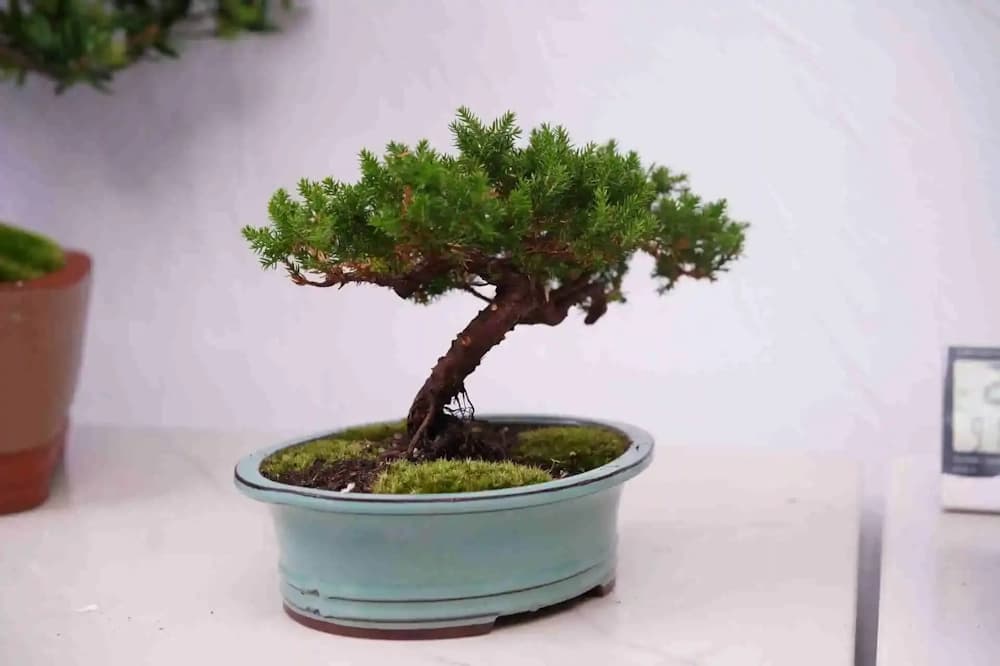
February’s capricious weather turns routine bonsai care into a season-defining task for UK growers. With growth still dormant for many broadleaves but beginning for some species, focus on moisture control, timing repotting and wiring, and catching pests before new shoots appear.
Watering is the immediate priority. Mistral Bonsai warns that “in winter bonsai do not need so much water, even so, we will water them when the first layer of the substrate is dry. Remember that it is very important to avoid waterlogging, as this would rot the roots.” Swindon & District Bonsai Club notes that outdoor trees will often receive rainfall, morning dew and melting frosts, but stresses to “monitor the moisture level to ensure your bonsai trees are not water logged as this can cause roots to rot.” Check pots in the morning so water has time to dissipate before possible overnight frost; Swindon explicitly advises that the “Ideal time to water is in the morning.” Covered and indoor specimens require closer attention: “Any bonsai being kept indoors should be watered daily if required as they will be loosing moisture due to the higher temperatures inside drying out the soil and the tropical species still tend to grow during the winter period inside.”
Repotting windows demand attention and local judgement. Bonsaiempire cautions that “the time available in late winter for repotting broadleaves is rather limited. Repotting must be suspended as soon as the first buds start to open.” Swindon labels February the key repotting month for many enthusiasts, with work sometimes extending into March while broadleaves remain dormant. Conifers have a much longer window: Bonsaiempire reports the period “can extend right up to the point when the candles open for pines, or to the growth of new foliage for junipers: in practice, it can last from the first half of February until mid-June, depending on the microclimate of the location concerned.” Root pruning during repotting is effective now because it “stimulates the plant to quickly produce new roots, new growth, and to repair its wounds: healing is very speedy in this period.”
Structural work and wiring sit well in late winter. If pines were not wired in autumn, Mistral recommends: “If you have not wired them in October, it is a good time to wire the pine bonsai. It is also a good time to pre-select their buds and needles.” Keep tooling and timing on cue and heed the simple practical rule: “Avoid watering before wiring.”

Pest prevention and wound care round out the checklist. Mistral warns that “Insects will also appear with the new shoots. Before they attack these new shoots, we must take preventive measures.” After pruning, Bonsaiempire advises treating cuts with cut paste or adhesive aluminum tape to protect from microorganisms and pests.
February’s guidance is practical but conditional: timing depends on your trees’ species and microclimate. As Mistral reminds growers, “All the recommendations are general, each of our trees is special, that’s why they need specific care and attention.” Check soil, watch buds and act before shoots open - that calibrates effort where it will make the most difference this late-winter.
This article was produced by Prism’s automated news system from verified source data, official records, and press releases, then run through automated quality and moderation checks before publishing. The system is built and supervised by the people who set the standards it runs under. Read our full AI policy.
Did this article answer your question?