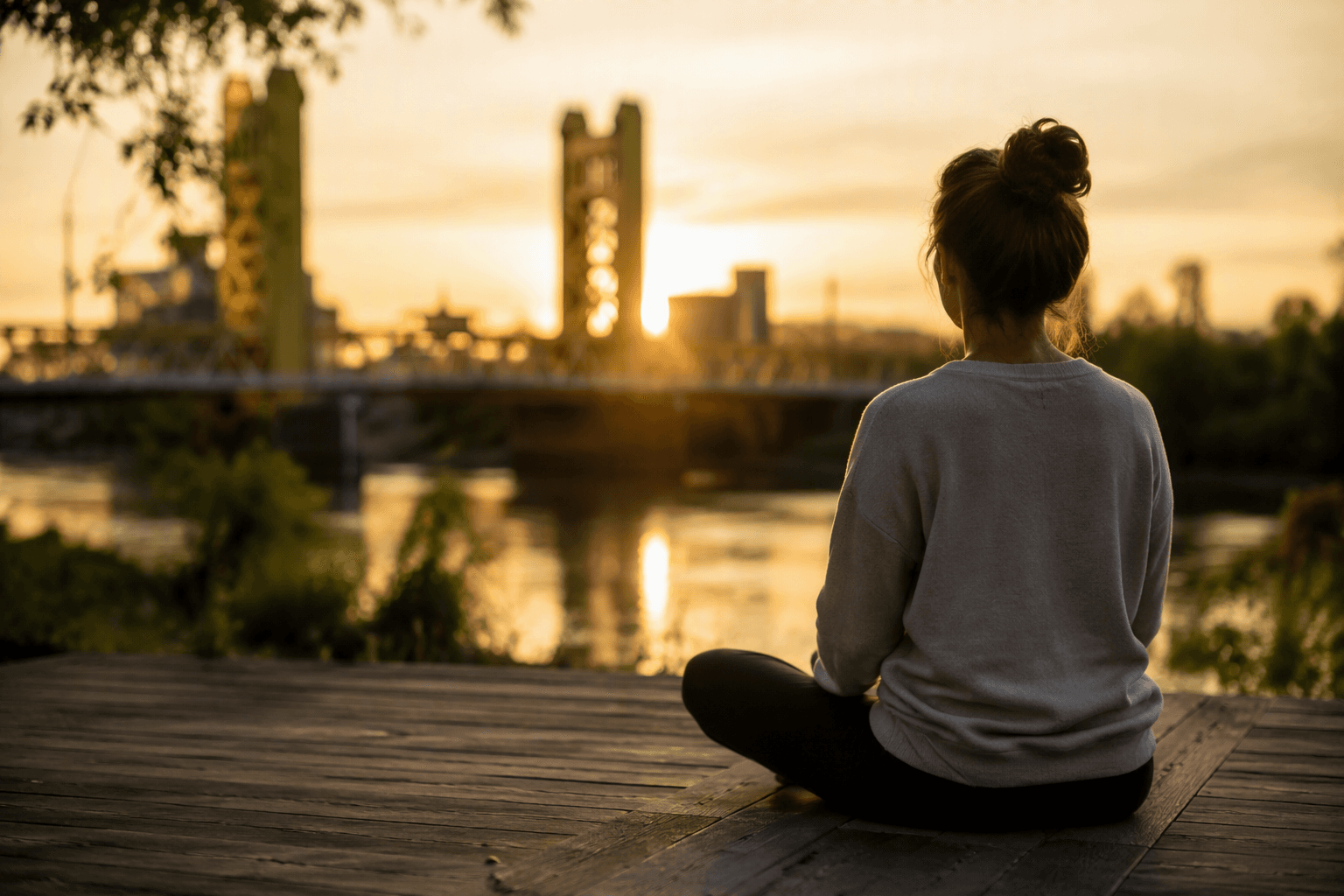
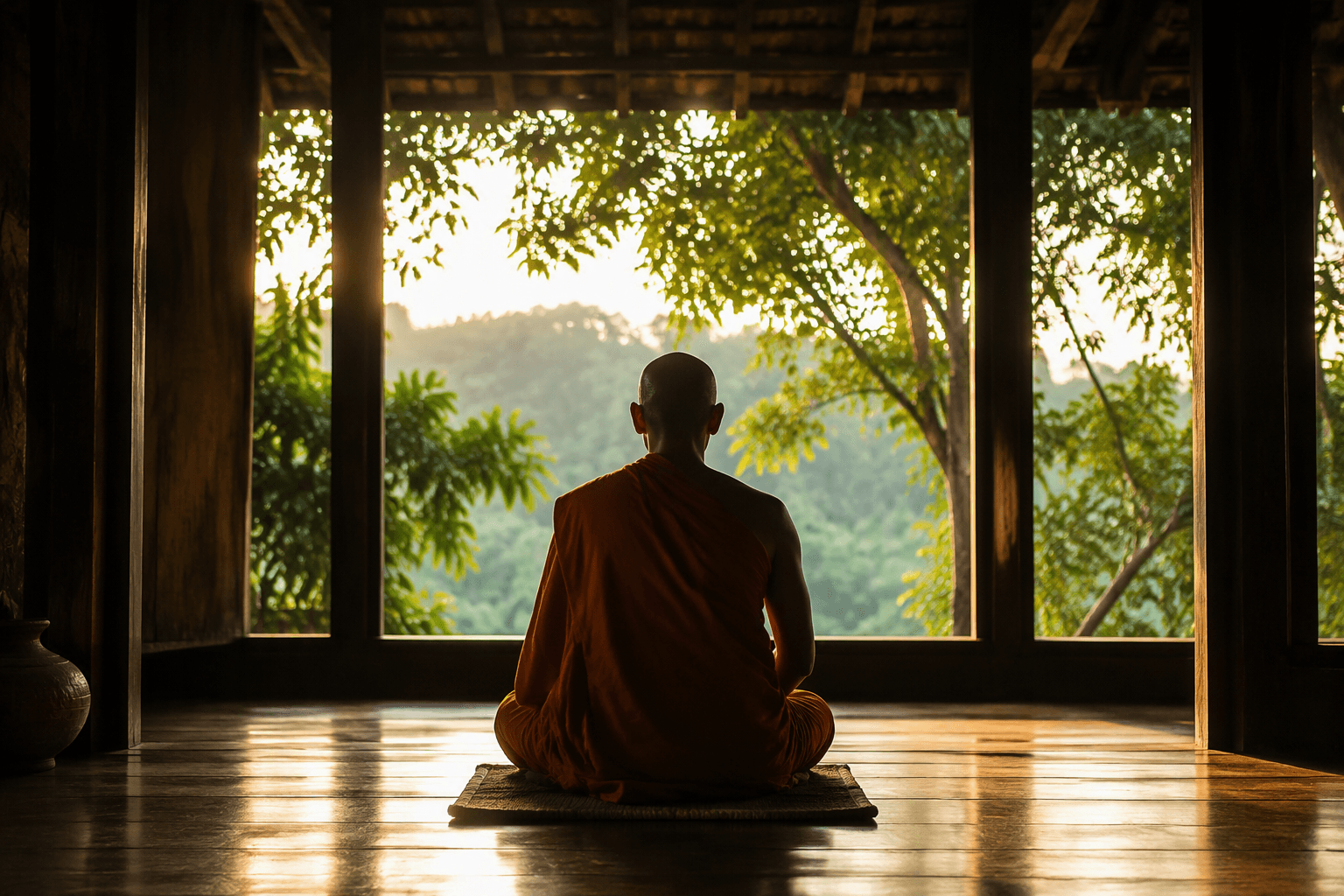
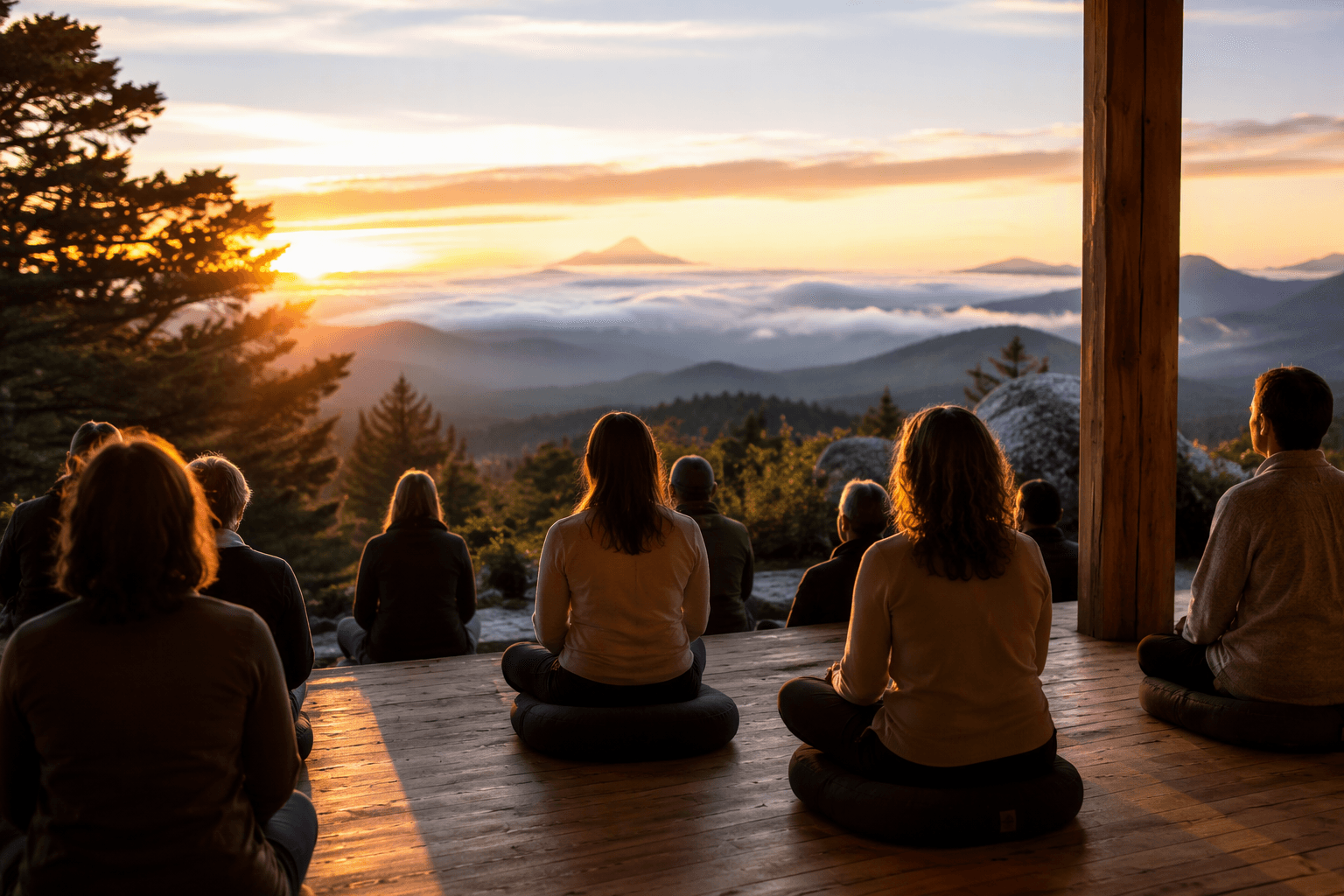
CCAE offers half-day Vipassana retreat for direct insight practice
CCAE’s new in-person half-day Vipassana retreat gives busy meditators a low-barrier way to try Theravada insight practice, with guided experience instead of a full silent weekend.
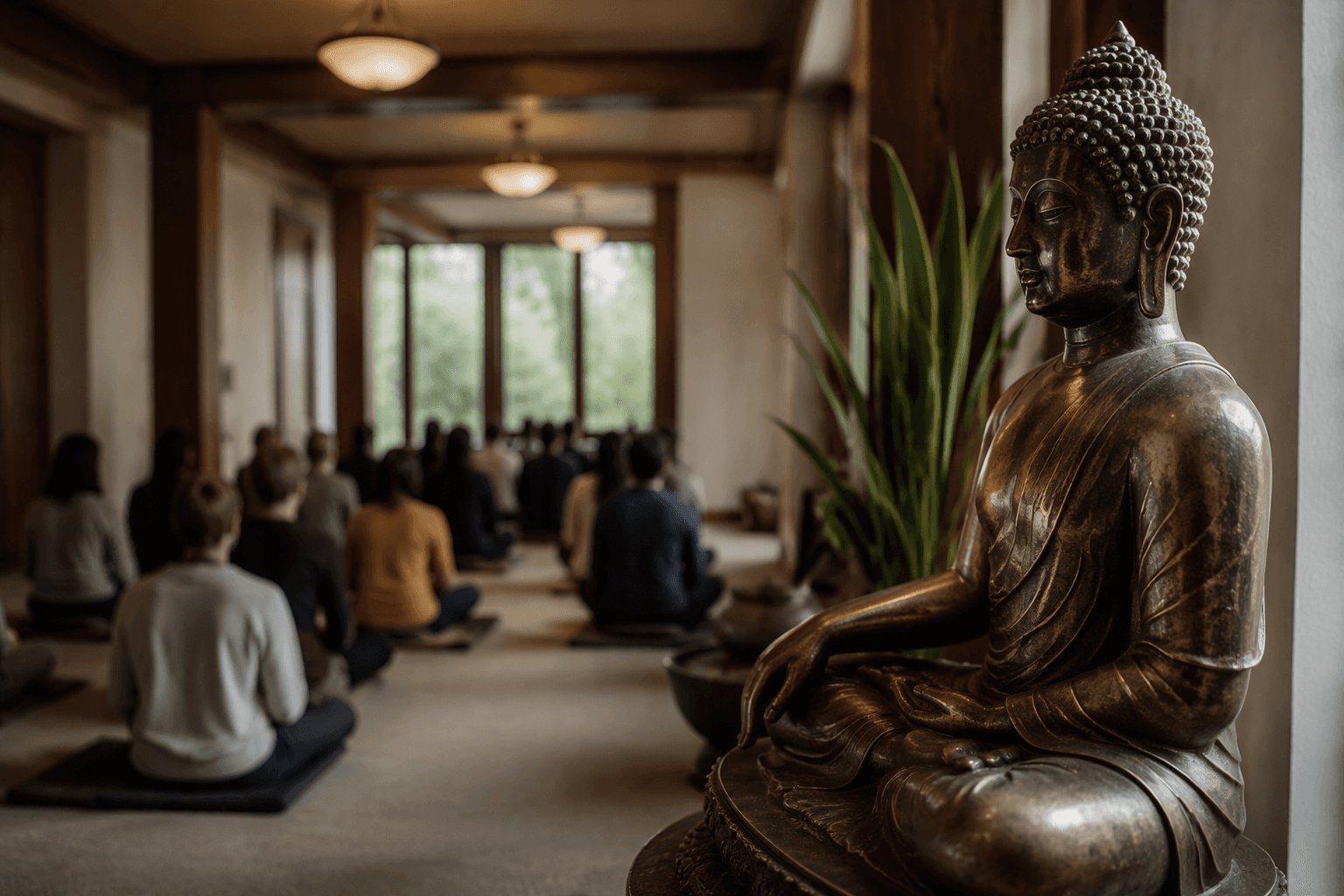
People who want a real taste of Vipassana without giving up an entire weekend now have a shorter entry point at Cambridge Center for Adult Education. CCAE’s new in-person Half Day Vipassana Based Meditation Retreat is built for curious beginners and seasoned practitioners alike, with a focus on direct experience rather than doctrine-heavy instruction.
A compact way into insight practice
The strongest appeal of this retreat is its scale. Instead of asking for the time, silence, and social weight of a longer retreat, CCAE has condensed Aung’s Integral Tai Chi & Mindfulness Meditation class into a focused half-day session. That makes the format easier to fit into ordinary life, especially for people balancing work, family, or a packed schedule.
The class page describes the session as offering a deep experience in Vipassana-based meditation rooted in the Theravada Buddhist tradition. That combination matters: the structure is short and accessible, but the practice itself is presented as serious enough to give participants a genuine encounter with insight meditation rather than a casual wellness sampler.
What the session is designed to feel like
This is framed as a guided practice environment, not a lecture or a doctrinal overview. The emphasis is on lived experience, which is where Vipassana practice usually becomes most tangible: watching the breath, noticing body sensations, observing thoughts, and seeing reactions arise and pass.
That kind of format is especially useful for people who are testing whether insight practice belongs in their lives. A few hours is long enough to settle, learn the cadence of guided attention, and get a sense of how the mind behaves when it is asked to stay with experience instead of running ahead. It also keeps the barrier to entry lower for anyone who has been hesitant to commit to a full weekend silent retreat.
Why the in-person setting stands out
The retreat is listed as in-person, and that is part of its practical value. In a meditation landscape where so much instruction now happens online, an in-person room offers a shared container and the immediacy of direct instruction. For many practitioners, that makes the work feel more grounded, less fragmented, and easier to sustain.
It also gives the session a communal dimension that matters in Buddhist practice. Even a short retreat can create the conditions for collective quiet, where each person is doing the same basic work at the same time. For people trying to build a practice in ordinary life, that kind of concentrated environment can make insight meditation feel less abstract and more doable.
Aung Moe’s background shapes the offering
The retreat’s teacher, Aung Moe, brings a background that helps explain the event’s Theravada grounding. His CCAE bio says he was born into Buddhist culture and learned meditation at a young age. It also says he practiced under Mahasi, Mogok, Ledi, ChanMyay, and Theinngu traditions, and that he has been ordained many times as a temporary Buddhist monk in the Theravada tradition.
That background signals why CCAE presents the session as rooted in a specific lineage rather than packaged as a generic mindfulness class. The page also highlights Aung’s warm, experiential style, which suggests the retreat is meant to be approachable without losing its Buddhist center. For many people, that is exactly the balance they are looking for: tradition without intimidation.
Where Vipassana fits in the wider practice landscape
Vipassana carries different associations depending on where a practitioner first encountered it, but the broader map is clear. Dhamma.org describes Vipassana meditation as taught by S.N. Goenka in the tradition of Sayagyi U Ba Khin, a lineage that has been widely influential in modern insight circles. The Vipassana Fellowship, meanwhile, describes its own work as mindfulness meditation from the Theravada tradition and says it has offered online courses and support since 1997.
That wider context helps place CCAE’s half-day retreat in a long-running stream of contemporary insight practice. It is not a novelty format so much as a shorter doorway into a practice family that already has both traditional Buddhist roots and modern community infrastructure. For practitioners who know the terrain, that lineage matters. For newcomers, it offers a clear sign that the retreat is not just stress reduction with Buddhist vocabulary attached.
Part of a larger season of learning
CCAE is also presenting the retreat inside a much bigger educational frame. A site-wide fall banner says the center’s Fall Catalog includes 470-plus class offerings available from September through December. That places the Vipassana retreat within a broad public-learning ecosystem, not as a niche add-on hidden off to the side.
That context matters for community access. A shorter meditation retreat sitting beside hundreds of other classes suggests that contemplative practice is being offered as one more way for people in Cambridge and beyond to learn, reflect, and reset. It is a practical invitation, not a specialized commitment test.
A small but meaningful door into practice
For people who have wanted to try insight meditation but could not imagine disappearing for a full weekend, this half-day format changes the equation. It lowers the scheduling burden, keeps the cost of entry in time and energy more manageable, and still aims at a direct encounter with Vipassana practice in the Theravada tradition.
That is what makes the retreat worth noticing: it turns curiosity into something you can actually fit on a calendar. For anyone wanting a serious but humane introduction to insight practice, a few focused hours can be enough to see whether the breath, the body, and the mind are ready to become part of a steadier daily path.
This article was produced by Prism’s automated news system from verified source data, official records, and press releases, then run through automated quality and moderation checks before publishing. The system is built and supervised by the people who set the standards it runs under. Read our full AI policy.
Did this article answer your question?