Black Ops 7 Endgame adds MWZ-style Blood Burner, Aether Blade, and rifts
Endgame is borrowing MWZ’s signature toys, and that makes Black Ops 7’s co-op finale feel less like an epilogue and more like a mode built to keep growing.
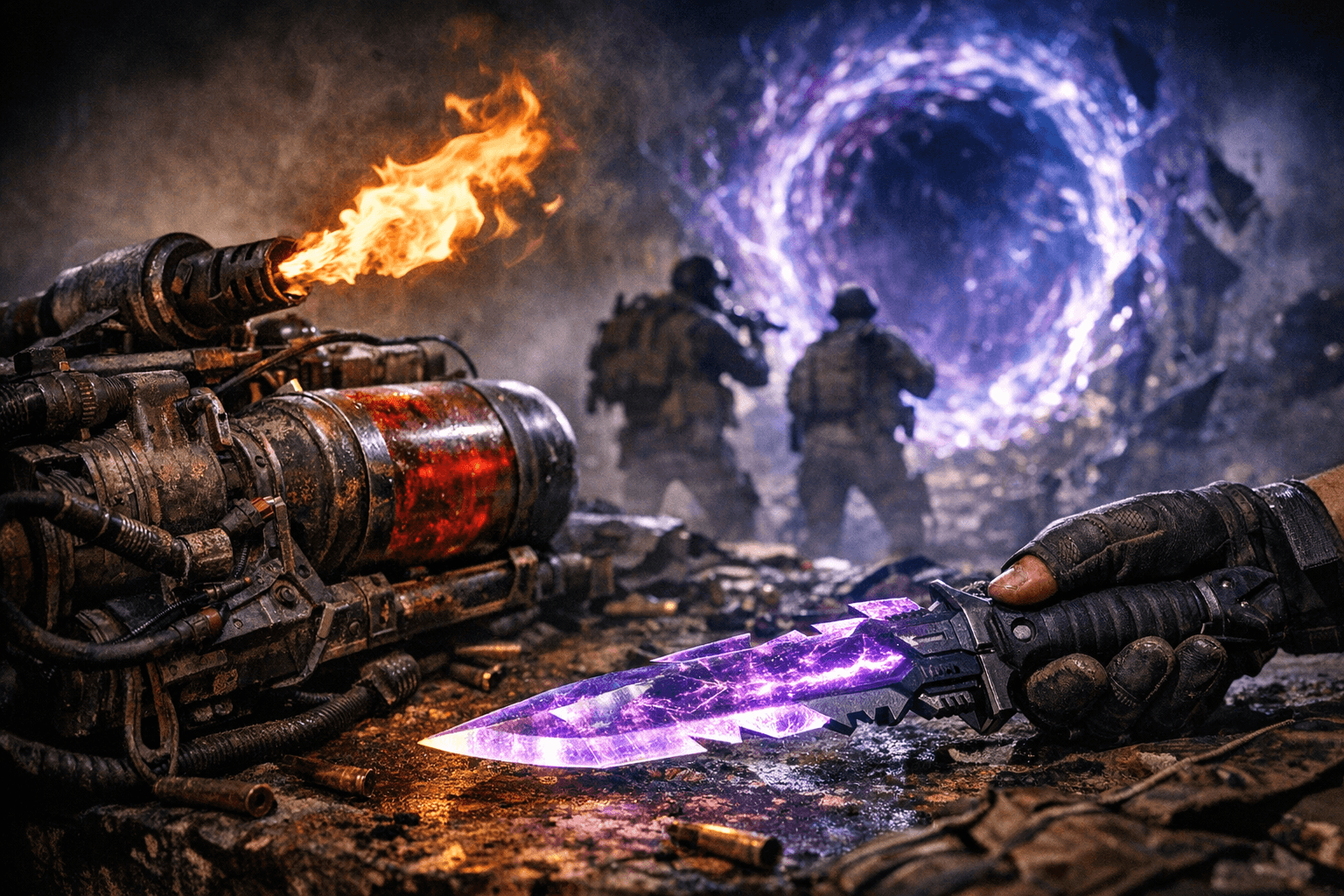
Blood Burner, Aether Blade and rifts are giving Endgame a Modern Warfare Zombies problem, or maybe a Modern Warfare Zombies future. Black Ops 7’s co-op finale is now showing off the same kind of high-pressure, high-reward toys that kept MWZ players moving from one objective to the next, and that is not a small cosmetic overlap. When a mode starts leaning on a nearly indestructible Wonder Vehicle, boss-level threats, mission-style progression and rift-driven endgame content, it stops feeling like a throwaway finale and starts looking like a deliberate rebuild.
What Endgame is, and why the comparison matters
Activision describes Endgame as a brand-new, replayable experience inside the co-op campaign, built around the idea that you and your squad “survive overwhelming odds” while adapting under pressure in Avalon. The setup matters because Endgame is not being treated like a one-and-done story beat. It is designed for replayability, it uses dynamic assignments, and it supports up to 32 total players in the same space, which gives every run the same crowded, unpredictable energy that defined the best MWZ sessions.
That is why the Modern Warfare Zombies comparison lands so hard. MWZ was built around mission and story progression, then pushed players toward activities and secret events that kept the map alive long after the first clear. Endgame now echoes that structure with a campaign-tied progression path, repeated assignments, and the same sense that the map is something you work through, not just something you visit.
Blood Burner is the clearest sign of where Endgame is headed
The Blood Burner is the easiest feature to read as a direct bridge between the two modes. Call of Duty’s own MWZ guide describes it as a “two wheeled nearly indestructible Wonder Vehicle” from the Aether, and that tells you exactly why its presence changes the pace of a match. A vehicle like that does more than move you around: it changes the risk math.
In a typical Endgame run, a Blood Burner-style tool means faster rotations, safer escapes and more freedom to push deeper into dangerous territory without treating every road crossing like a death sentence. It also raises the ceiling on squad coordination, because a vehicle that durable turns mobility into a strategic asset instead of a convenience. That is the same kind of practical value MWZ players leaned on when they wanted to stretch a run and keep momentum through hostile space.
Aether Blade, Mega Abomination and rifts push Endgame toward MWZ’s survival loop
The other pieces matter because they complete the pattern. Aether Blade and rifts point Endgame toward the same loot-driven, pressure-heavy loop MWZ used to keep players cycling between combat, movement and reward. Even without the old DMZ-style structure, the feeling is familiar: grab strong tools, survive the map’s worst encounters, then push onward because the next objective may be worth more than the last one.
Mega Abomination reinforces that shift by signaling that Endgame is not just about clearing smaller enemies and checking off objectives. A boss-tier threat changes how a squad moves, how long it lingers in one area and how aggressively it can chase assignments. In practice, that means Endgame is not just borrowing MWZ’s vocabulary. It is borrowing the way MWZ forced squads to manage risk in real time.
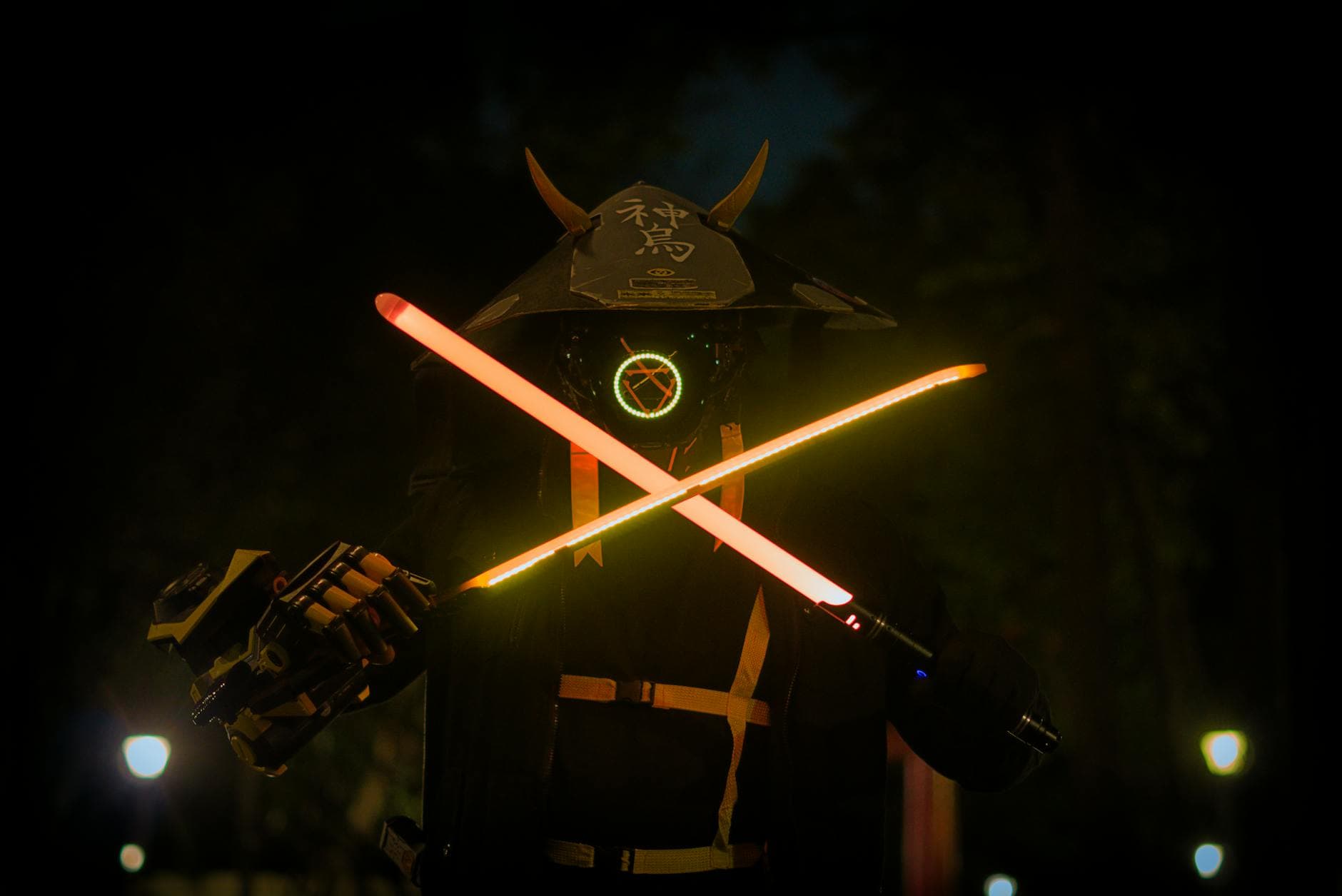
Rifts are the other half of that equation. MWZ’s guide-driven structure leaned on story missions, activities and secret events that made the map feel layered, and Endgame’s rift-style content appears to serve the same purpose: giving the mode a late-run destination that feels separate from ordinary traversal. Once a mode has rifts, the match is no longer only about surviving the open world. It becomes about deciding when to pivot, when to commit and when to chase whatever lies beyond the next threshold.
Act Missions and dynamic assignments make every run feel like progress
Where Endgame really separates itself from a simple open-world firefight is in how it handles objectives. Activision says the mode includes dynamic assignments, and the campaign materials tie it directly to global progression, including a Weapon Camo journey unique to Endgame. That means the match is not just about staying alive long enough to extract value. It is about making each run count toward something broader across the game.
Act Missions fit that design perfectly. In a normal match, they give you structure: a reason to move, a reason to prioritize, and a reason to keep pressing forward even when the map gets hot. Instead of wandering from encounter to encounter, you are working through a live objective chain that can change the way your squad spends ammo, plates and time. The mode-specific Weapon Camo journey makes that loop even more personal, because the rewards are not limited to the run itself. Every successful push feeds back into the larger game.
Endgame did not arrive finished, it arrived growing
The clearest proof that Activision is serious about this mode is how steadily it has expanded. Season 02 already added the Eagle Eye Skill Track and Nightmare Zones, which showed Endgame was not being left alone after launch. Season 03 then made Endgame free to play for a limited time, accessible from the main Call of Duty menu and also within Warzone and Black Ops 7, widening the player pool and turning the mode into a much bigger live experiment.
That matters because it changes the story around Endgame entirely. This is not a forgotten campaign tail that happened to get a few extra toys. It is a living space that is being tuned, widened and made easier to enter, while borrowing the same kind of replayable, progression-first structure that made Modern Warfare Zombies stick with players who wanted more than a standard co-op mission.
The result is a mode that feels less like a final chapter and more like a platform. Blood Burner, Aether Blade, rifts, Act Missions and big-ticket threats like the Mega Abomination all point in the same direction: Activision is not just reviving a lane players recognize, it is rebuilding one around the lessons MWZ already taught.
This article was produced by Prism’s automated news system from verified source data, official records, and press releases, then run through automated quality and moderation checks before publishing. The system is built and supervised by the people who set the standards it runs under. Read our full AI policy.
Did this article answer your question?