Black Ops 7 lands fifth as Resident Evil Requiem tops U.S. sales through Q1 2026
Black Ops 7 finished fifth in U.S. Q1 sales, behind a runaway Resident Evil Requiem and three sports annuals. That is a tougher chart for Call of Duty than fans are used to.
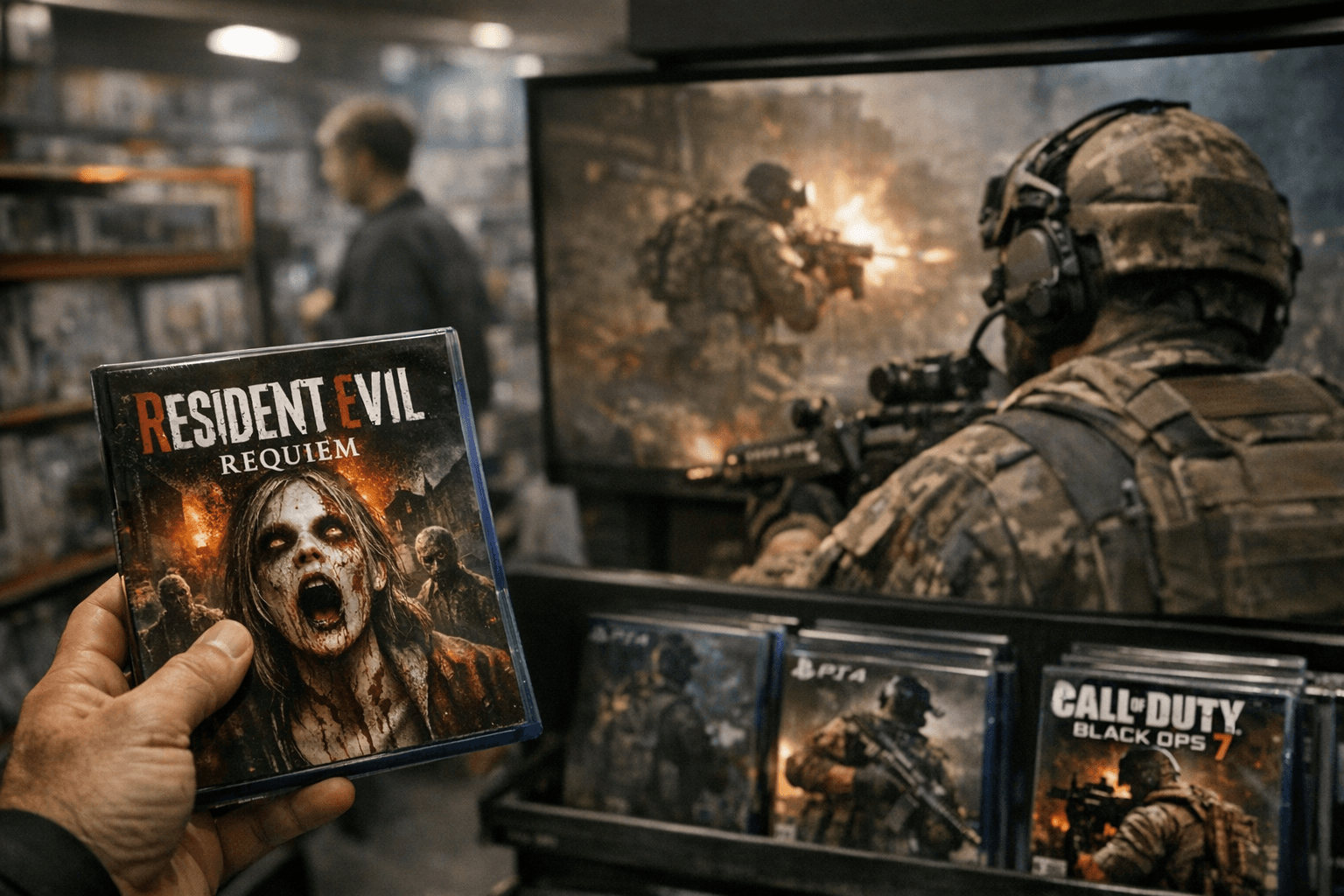
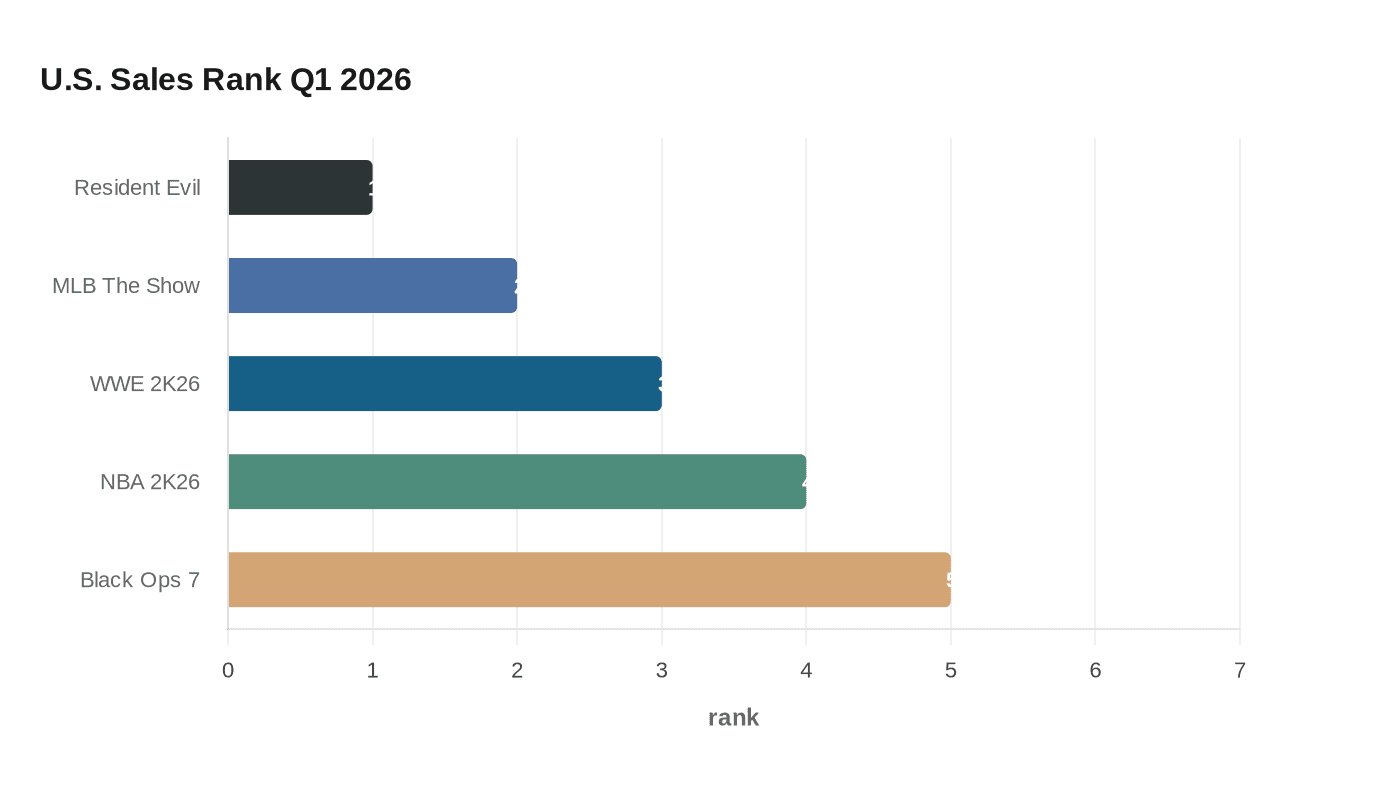
Black Ops 7 landing at No. 5 in U.S. sales through the first quarter of 2026 is not a collapse, but it is a pressure test. Resident Evil Requiem took the top spot, MLB The Show 26 was second, WWE 2K26 was third and NBA 2K26 was fourth, leaving Call of Duty outside the top four in a quarter where the usual sales hierarchy looked a lot less forgiving.
That matters because Call of Duty normally does not end up chasing the pack this early in the year. A fifth-place finish behind three annual sports and entertainment machines, plus Capcom’s latest horror hit, reads like a softer-than-usual showing for one of gaming’s most dependable sales engines. It does not erase the brand’s reach, but it does show that a familiar name alone was not enough to own the quarter.
Resident Evil Requiem earned that position the hard way. Capcom launched it on February 27, 2026 for PlayStation 5, Xbox Series, Nintendo Switch 2 and PC through Steam and the Epic Games Store, then said sales crossed five million units by March 4 and six million by March 16. That made it the fastest-selling entry in the Resident Evil series and the best-selling game of February 2026 in the United States, while also becoming the best-selling game of 2026 in the U.S. so far.
Circana’s February market notes showed how sharp that debut was. The U.S. video game market generated $4.6 billion in spending during February 2026, up 1% from a year earlier, and Resident Evil Requiem’s launch helped keep consumer spending on video game content flat versus February 2025. A 27% boost in subscription services helped cushion the month, but the headline was clear: Capcom had a monster quarter in a market that was already running hot.
For Activision, the takeaway is simple. Black Ops 7 did not just lose ground to a surprise horror breakout; it also sat behind a stack of sports franchises that continue to turn annual release cycles into reliable chart leverage. The broader backdrop was strong too, with Circana’s 2026 forecast putting U.S. video game hardware, content and accessories spending at $60.7 billion in 2025, up 1.4% from 2024. In that kind of market, fifth place is not a disaster. It is a reminder that even Call of Duty has to fight harder for the top shelf than it once did.
This article was produced by Prism’s automated news system from verified source data, official records, and press releases, then run through automated quality and moderation checks before publishing. The system is built and supervised by the people who set the standards it runs under. Read our full AI policy.
Did this article answer your question?