Call of Duty Zombies balance tweaks quietly reshape survival strategies
Silent Zombies tweaks are changing loadouts, routes, and late-round survival before patch notes catch up. The biggest meta shifts are the ones most players never see.

Why the quiet changes matter
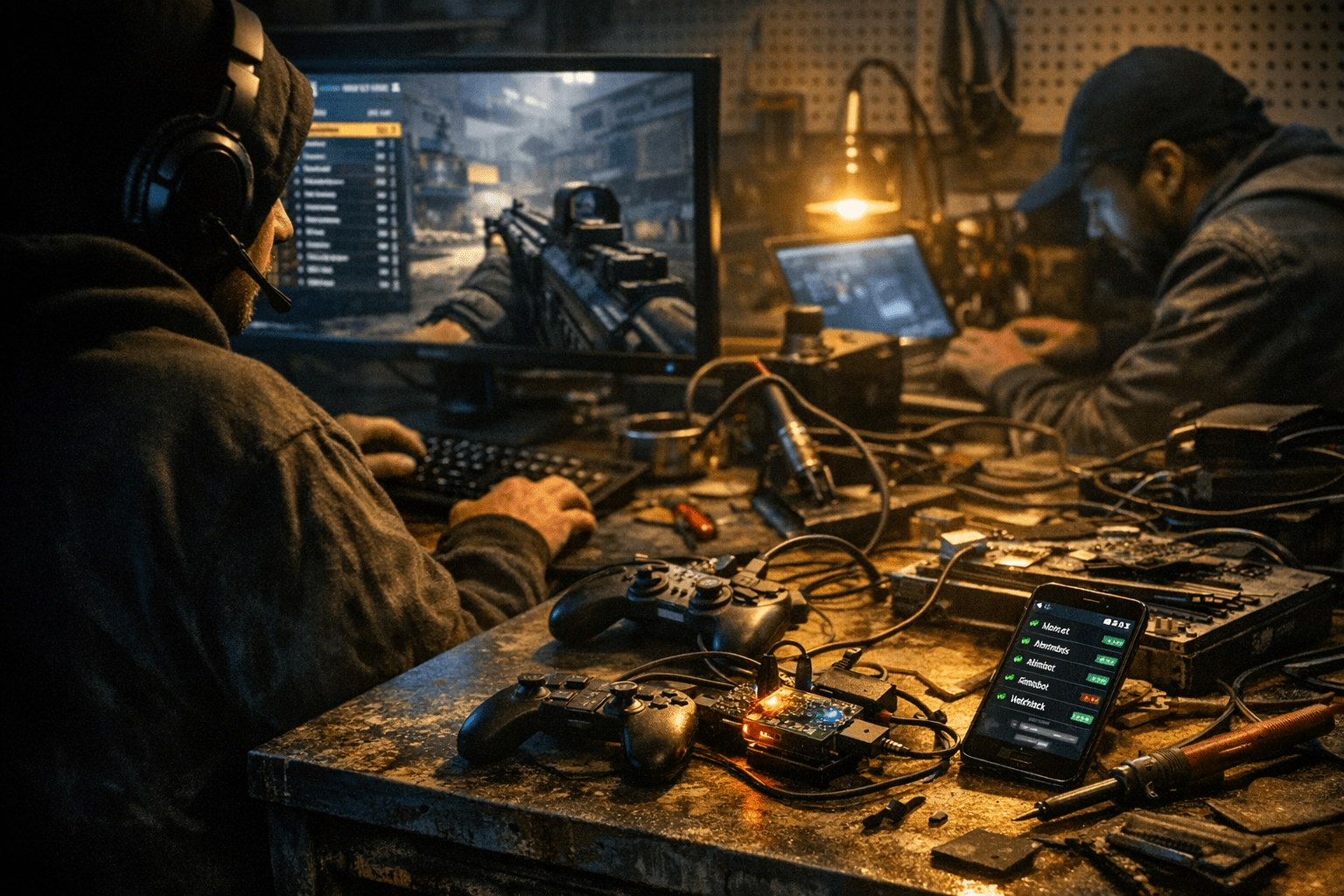
The real Zombies metagame does not always announce itself with a headline. Sometimes it arrives through silent tuning, hidden interactions, field upgrade adjustments, weapon behavior shifts, and quality-of-life changes that reshape how a squad survives long before the average player notices. That is what makes Zombies such a durable part of Call of Duty: it rewards long-term mastery, cooperative problem-solving, and repeated experimentation, and it keeps paying off for players who pay attention to the small stuff.
A balance pass in Zombies is rarely isolated. Treyarch, the live-service support teams, and the dedicated Zombies community all end up reading the same clues in different ways, then testing what still works. Once speed perks, damage scaling, ammo economy, or crowd-control tools move even a little, the entire mode shifts with them. A weapon that felt mandatory one week can feel expendable the next, and a route that used to be safe can suddenly be too slow for high-round pressure.
The hidden changes that move the meta
The biggest mistake players make is treating Zombies like a mode where only major content drops matter. In practice, the most consequential changes are often the ones no one puts on a trailer. A subtle buff to a field upgrade can make defensive rotations more forgiving. A nerf to a favored gun can push teams toward different loadouts. Even movement or stamina tuning can decide whether a squad escapes a late-wave panic or gets overwhelmed on the spot.
That is why Zombies balance is so different from a simple weapon ranking in multiplayer. The mode is an ecosystem. Change one piece and the rest starts reacting: ammo economy affects how long you can hold a lane, crowd-control tools affect how safely you can revive, and damage scaling affects whether a boss encounter feels manageable or punishing. Once those pieces shift, the old habits stop being enough.
What looks like a small tweak can also change the way players approach risk. If a field upgrade becomes stronger, teams may stay aggressive longer because they trust it to bail them out. If a weapon loses reliability, players start building safer routes and more conservative reserves. Those changes do not just alter a loadout screen, they change the shape of every round.
What actually changes survival
In Zombies, survival is never just about raw firepower. It is about whether your build can recover from mistakes, keep a choke point under control, and survive the moments when the map gets messy. That is why balance tweaks to speed perks, damage output, stamina, or crowd-control options can matter more than a flashy new item. They determine how much margin for error you really have when the zombies stop behaving politely.
A few of the most important pressure points keep coming back:
- Speed perks can change how easily you reposition after a failed hold or a bad revive attempt.
- Damage scaling can decide whether your favored weapon still clears later rounds with confidence.
- Ammo economy changes how often you are forced to break a position and go looking for resources.
- Crowd-control tools can buy time, but if they are adjusted, your whole defensive rhythm changes with them.
- Movement and stamina decide whether your squad can recover from a bad rotation or gets trapped by its own pace.
Those details are where the mode’s difficulty actually lives. If a weapon feels slightly weaker, you may not notice it in a casual run, but you absolutely feel it when a round drags, a choke point stalls, or a boss encounter lasts long enough to expose the weakness. The same is true in reverse: a small buff can make a previously awkward setup suddenly feel efficient enough to anchor an entire strategy around.
Why the community spots the shifts first
The players who notice these changes first are rarely the ones waiting for official notes to explain everything. Streamers, theorycrafters, and long-time Zombies teams test the mode obsessively, then compare results until a pattern appears. One squad notices a field upgrade covering a retreat better than it did last night. Another realizes a weapon now burns through enemies in a way that did not happen yesterday. A third finds that a stamina tweak made a familiar escape route far riskier than before.
That discovery process is part of why Zombies generates such outsized discussion. A subtle patch can become a major talking point because it affects more than one map, more than one weapon, and more than one playstyle. In a mode built around repetition, the difference between “good enough” and “quietly dominant” gets exposed quickly, especially when players are trying to survive deeper rounds with the same core team.
This is also why official notes can lag behind the real experience of the mode. Players who only read the headline changes miss the shift happening underneath them: the loadout that suddenly stops carrying, the defensive rotation that no longer holds, the ammo plan that leaves a squad exposed, or the field upgrade that now turns a risky move into the right one. The actual meta moves first in practice and only later in the paperwork.
How to stay ahead of the next silent balance pass
If you want to keep up with Zombies as it really plays, you need to treat every change like a live test, not a fixed rule. That means paying attention to how a squad’s timing, movement, and resource use feel after each update, even when the patch looks minor on the surface. The strongest players do not just ask whether something was buffed or nerfed. They ask what part of the run that change touches: early economy, mid-round control, late-round panic, or boss damage.
The most useful habit is simple: watch for the domino effect. If a weapon’s behavior changes, check whether your ammo route still works. If a field upgrade gets adjusted, see whether your defensive rotation still covers the same angles. If stamina or movement feels off, test whether your escape path still gives you enough space to reset. In Zombies, the smallest mechanical change can ripple through an entire strategy.
That is why the mode keeps pulling players back. It is not just about new content or bigger spectacle. It is about the quiet recalibration that makes you rethink a route you trusted, a gun you relied on, or a recovery plan you assumed was safe. The hidden changes are often the ones that matter most, and the teams that notice them first usually survive longest.
Know something we missed? Have a correction or additional information?
Submit a Tip