How Gunsmith and Aftermarket Parts reshape Call of Duty loadouts
Gunsmith turned loadouts into tradeoffs, then Weapon Vaults and Aftermarket Parts pushed players from copying meta builds to rebuilding guns around roles.
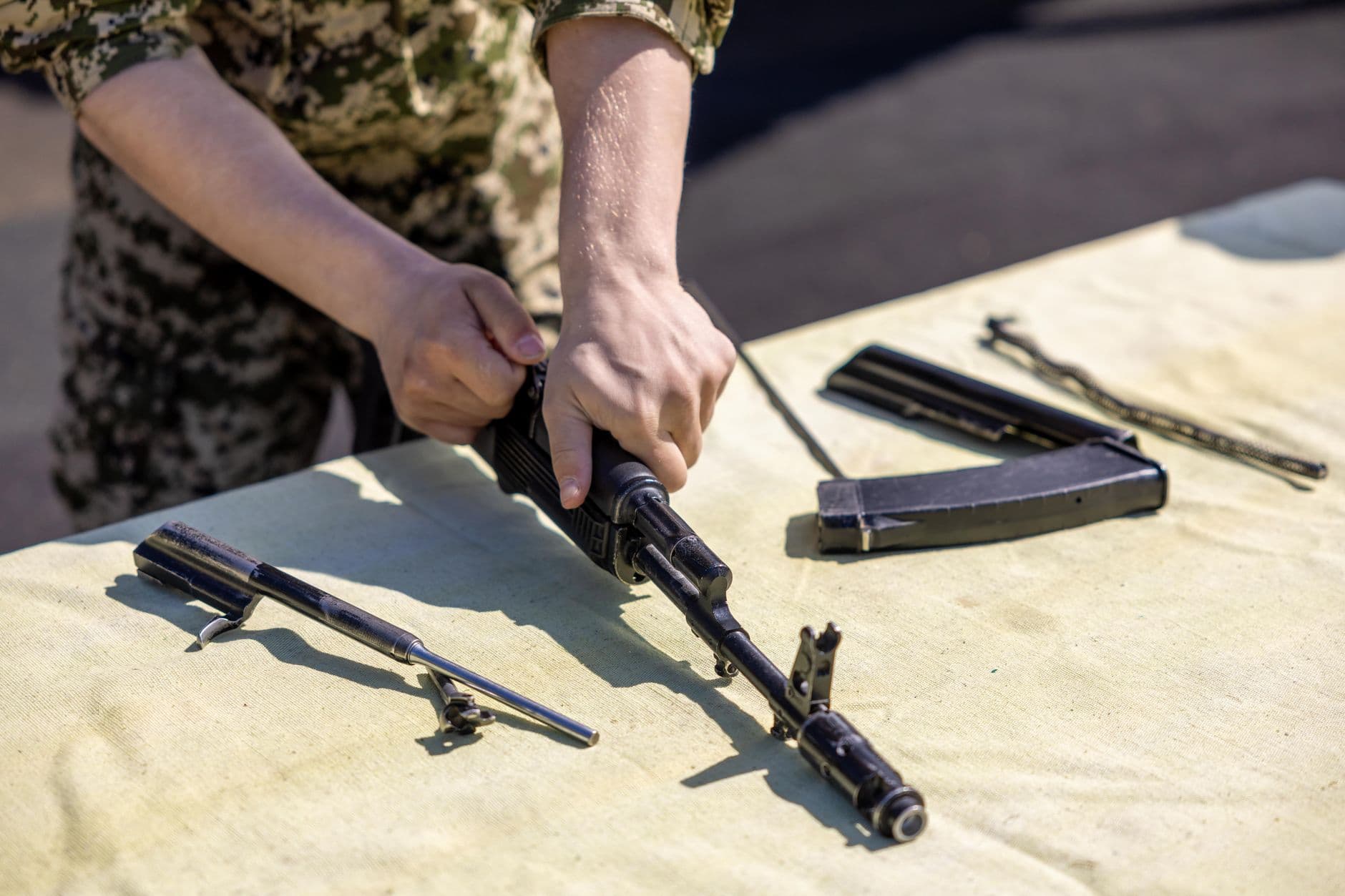
Gunsmith changed the way Call of Duty players talk about a gun before they even fire it. A loadout stopped being a simple list of attachments and became a set of choices about recoil control, mobility, range, ADS speed, magazine size, and the role you actually want that weapon to fill. That is why the system keeps evolving with every new release: the names of the parts change, but the argument stays the same.
From fixed guns to modular platforms
Call of Duty: Modern Warfare reintroduced Gunsmith in July 2019 with a clear message: weapons were no longer fixed items, but platforms you could shape. Modern Warfare II then pushed that idea into Gunsmith 2.0, or the Platform system, which grouped weapons into families of shared weapons instead of leaving each gun isolated. That change made attachment decisions feel more connected, because swapping a receiver could carry your build into a different branch of the same family.
The practical effect was immediate. Players were no longer just asking which attachment was strongest in a vacuum. They were asking what kind of fight the gun should win, whether that meant a tighter recoil pattern for midrange lanes, a faster ADS setup for close corners, or a bigger magazine for a hold-and-anchor playstyle. That shift is the reason Gunsmith remains one of the franchise’s most durable systems: it rewards adaptation, not just copy-paste metas.
The M4 family made the new philosophy easy to see
Modern Warfare II launched on October 28, 2022, and the FJX Cinder Weapon Vault became the cleanest early example of how this modular logic worked. Activision’s Gunsmith First Look tied the Vault Edition to the FJX Cinder, the Red Team 141 Operator Pack, and 50 Battle Pass Tier Skips, but the important part for loadout builders was the gun itself. The FJX Cinder was presented as the first Weapon Vault for the M4 assault rifle family, which made it a showcase for how a familiar rifle identity could survive wildly different builds.
Weapon Vaults were described as collections of Receivers, Barrels, Stocks, Rear Grips, and Magazines that can be mixed and matched. That sounds simple until you actually build with it, because the M4 family stopped feeling like one “best” rifle and started feeling like a set of role options. One player could keep the same core look and build the gun for recoil control, while another could use the same family and push hard into speed, handling, or a larger-magazine lane holder.
Here is where the community split into familiar debates:
- A recoil-focused M4 build made sense on medium-sized maps, where steady control mattered more than instant snap.
- A larger-magazine M4 build was the answer for players holding power positions, but it usually came with slower movement or handling.
- An optic-heavy setup helped target acquisition at range, yet it could add visual clutter and make the gun feel less clean in close fights.
- A lightweight, aggressive version of the same family could feel great in tight lanes, but it gave up the stability that helped the rifle dominate at distance.
That is the part players learned to respect, even when they argued about it in lobbies and loadout threads. The same gun could be “meta” in one build and completely wrong in another because the tradeoffs were finally visible.
Aftermarket Parts pushed Gunsmith beyond normal attachments
Modern Warfare III took the next step in October 2023 with the official Gunsmith Innovations post introducing Aftermarket Parts. Instead of acting like ordinary stat sticks, these parts were built to transform a weapon or change how it behaves in a more fundamental way. That is a different kind of customization, because the goal is not just to shave a bit of ADS time or trim recoil. The goal is to rethink the gun’s job.
MWIII’s launch communications kept leaning on that idea. A dedicated loadouts deep-dive and a weapons detail post in November 2023 made it clear that loadouts were still central to how players would progress, pick roles, and tune their classes. Aftermarket Parts fit that direction because they let you move beyond “best attachment set” and into “different weapon identity.” For players who enjoy building around a specific lane, sightline, or pace of movement, that opened a much wider field than standard attachments ever did.
The real change here is how people experiment. In older Gunsmith conversations, the question was often how to make a gun less bad at everything it did not do naturally. With Aftermarket Parts, the question became how to make a gun do something new. That is a much more interesting argument for the community, because it creates loadouts that are tailored to a map, a mode, or even a single player’s aim rhythm instead of one universal meta answer.
Why the system keeps rewarding the players who tinker
The reason Gunsmith still matters is that it never stopped being about tradeoffs, even as the tools got more sophisticated. Modern Warfare’s 2019 reintroduction gave players a tactical customization layer. Modern Warfare II’s Platform system made weapon families feel interconnected. The FJX Cinder Weapon Vault showed that a gun could keep its identity while the pieces changed. Modern Warfare III’s Aftermarket Parts then took the whole structure and turned it into a place for actual transformation, not just fine-tuning.
That is why everyday players still obsess over builds in the same old way, even when the parts on the screen are different. One squadmate wants the steady M4 lane build, another wants the fastest possible close-range setup, and somebody else is trying to force a weapon into a role it was never supposed to own. Gunsmith keeps giving all three of them a reason to think they are right, which is exactly why loadout arguments never die.
This article was produced by Prism’s automated news system from verified source data, official records, and press releases, then run through automated quality and moderation checks before publishing. The system is built and supervised by the people who set the standards it runs under. Read our full AI policy.
Did this article answer your question?