Kick Streamer Clavicular Arrested for Instigating Fight, Faces Wildlife Probe
Kick's Clavicular was arrested mid-stream on March 26, his second bust in six weeks, on battery charges from a staged Kissimmee Airbnb fight and a separate FWC probe for allegedly shooting an alligator.
The live feed cut out mid-stream, and when it came back, Braden Eric Peters was gone. One of his crew jumped on camera to announce the 30-day marathon was ending early.
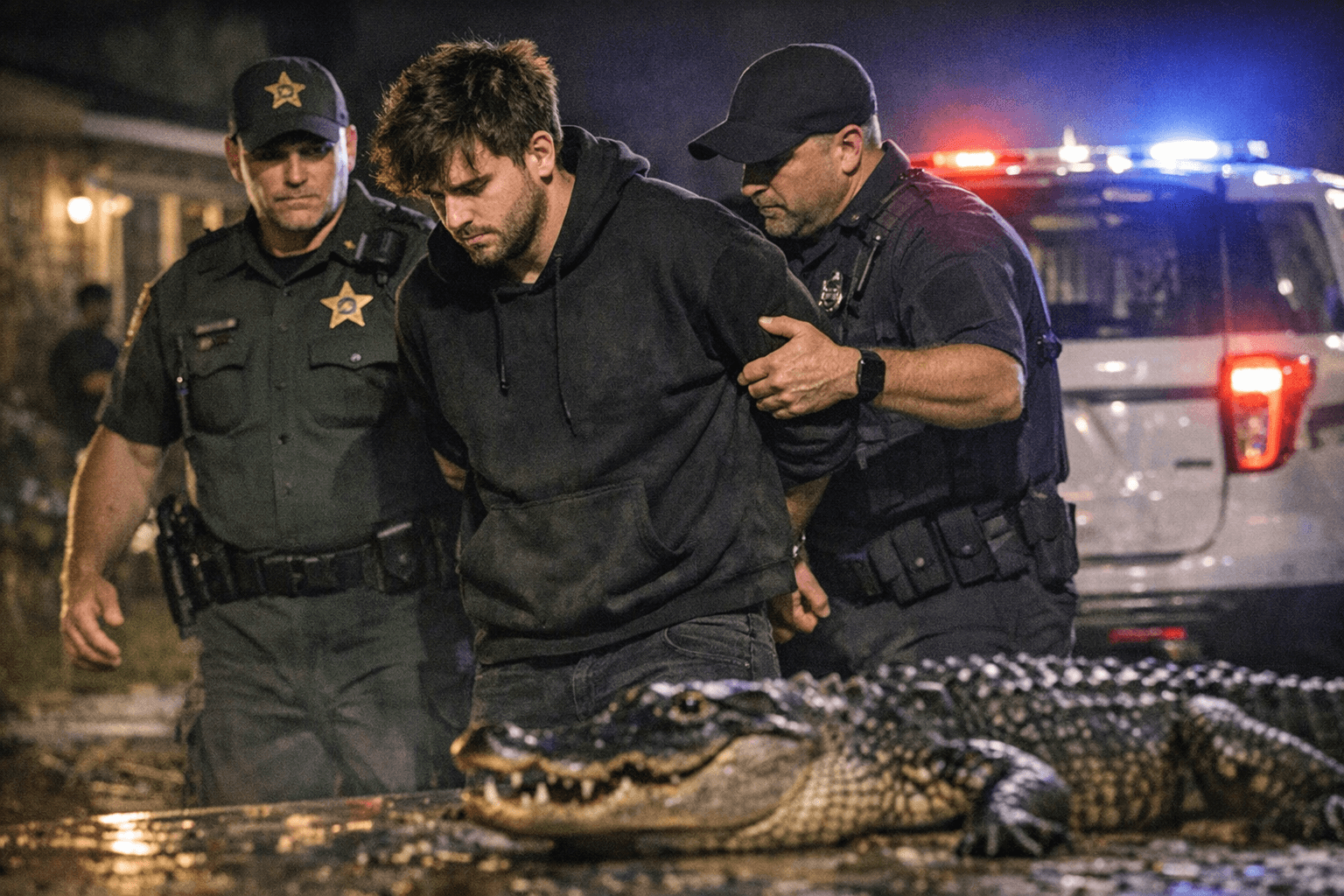
Peters, the 20-year-old Kick streamer known as Clavicular and a prominent "looksmaxxing" influencer with more than 800,000 TikTok followers, was arrested by Fort Lauderdale Police around 8:30 p.m. on March 26 on a warrant out of Osceola County. His bond was set at $1,000. It was his second arrest in six weeks.
The warrant tied back to February, when Peters rented an Airbnb near Kissimmee, Florida. The Osceola County Sheriff's Office investigated a physical altercation between two women at the property and concluded Peters had "instigated the fight" and then posted the footage to social media to "exploit" the two women involved. Detectives issued warrants for Peters on misdemeanor battery and conspiracy to commit battery charges. His girlfriend, Violet Marie Lentz, was also issued a warrant; investigators were still searching for her at the time of Peters' booking in Fort Lauderdale.
Running parallel is a separate inquiry by the Florida Fish and Wildlife Conservation Commission. Stream footage surfaced showing Peters and his crew firing at an alligator from an airboat in the Everglades. The alligator was dead by the time authorities reviewed the clip. The stream was made private after the video began circulating, but wildlife officials had already seen enough to open a wildlife and firearm investigation. The two cases are being handled by separate agencies, meaning Peters faces distinct legal tracks, each moving on its own timeline.
For Kick and for gaming platforms broadly, the case accelerates a debate that has been building since IRL streaming became a primary shock-value vehicle. Kick built its audience partly by offering content latitude that Twitch and YouTube don't extend; its creator-friendly revenue model and comparatively light enforcement drew streamers who had been banned or suspended elsewhere. Both Twitch and YouTube maintain explicit prohibitions on real-world violence, staged fights, and content depicting harm to animals, reinforced by advertiser-safety systems that create financial consequences for violations. Kick has historically acted reactively.
That gap matters for COD creators sharing the platform. Brand safety tools used by advertisers operate at the platform level, not the channel level. A gaming streamer running a clean Warzone session on Kick still absorbs reputational exposure when another channel on the same platform carries active law enforcement investigations.
Peters' first arrest came in early February in Scottsdale, Arizona, on felony forgery and drug possession charges that were later dropped, and it did not result in a platform ban. Whatever Kick does now, with two open Florida investigations and a battery case heading toward Osceola County court, will signal whether its enforcement model is built to respond to escalation or only to react after the fact.
Know something we missed? Have a correction or additional information?
Submit a Tip