Warzone Strider 300 loadout maximizes one-shot headshot range at distance
The Strider 300 is only scary if the build makes its one-shot window hold up under pressure. This setup pushes its headshot range hard enough to start looking like a balance problem.
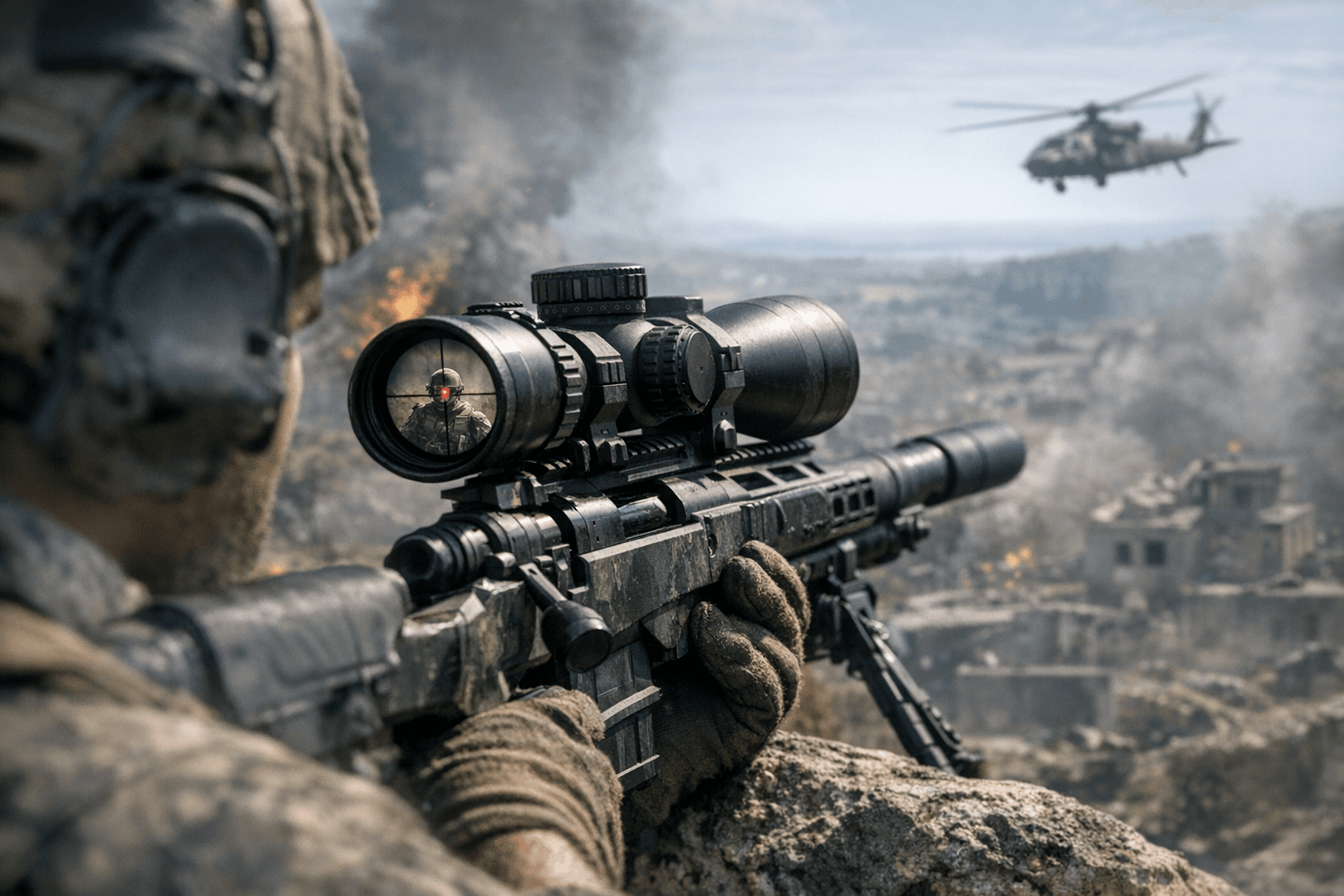
Why the Strider 300 is worth watching
The real question with the Strider 300 is not whether it can kill in one shot. It is whether the rifle stays consistent when the fight gets messy, the peek is late, and the target is already moving at distance. That is where this gun stops being a novelty and starts looking like a Warzone problem, because a sniper that can crack from the chest up on unarmored targets does not need huge raw damage if its handling is good enough to keep up with live matches.
Official Season 03 materials frame the Strider 300 as a bolt-action sniper rifle with fast handling, a slow rechamber, and moderate stability. That combination explains the whole conversation around it. It is not built like the heaviest hard-hitting sniper in the game; it is built to get on target quickly, then ask you to make the first shot count. The official weapon page also says it is designed to hold breath while aiming down sights to steady shots, which tells you exactly how it wants to be played: patient, deliberate, and a little unforgiving if you flinch.
Why it already feels like a meta headache
The Strider 300 entered Warzone through The Lost Outpost event, where players unlocked it by collecting Beacons from eliminated operators to earn milestone rewards. That matters because it did not arrive as a random throwaway unlock. It arrived with an identity attached, and that identity is one-shot lethality. Official Season 03 messaging says it can down unarmored enemies in one shot from the chest up, while also noting that it deals less damage than the other two bolt-action sniper rifles but handles better and fires slightly faster.
That tradeoff is exactly why people are building around it so aggressively. In a high-skill lobby, the rifle does not need to be the biggest damage stick in the class to become a problem. If it gives you a cleaner scope-in, a steadier feel, and enough range to make the headshot window real at distance, players will absolutely optimize around that. Community meta trackers were already listing it among the top sniper picks in Warzone by mid-April 2026, and creator coverage around launch was already treating it like a one-shot sniper worth bending a loadout around. When that happens this fast, balance chatter is usually not far behind.
The loadout that stretches the range ceiling
The loadout that keeps showing up for a reason is the one built around the Monolithic Suppressor, the 25-inch Bowen Grooved Barrel, the Carnation Fast Mag, the Hatch Quick Grip, and .300 WM Overpressured ammunition. This is not a random collection of “best-in-slot” attachments. Each piece is doing a very specific job, and the barrel is the keystone.
The 25-inch Bowen Grooved Barrel is the attachment that extends the one-hit headshot range, which is the whole point of the build. The Monolithic Suppressor and the .300 WM Overpressured rounds help preserve bullet velocity and reduce bullet drop, which is what makes the rifle feel trustworthy instead of merely dangerous. If you are taking long-range fights in Verdansk or opening angles in Avalon, that extra consistency is what turns a highlight clip into a repeatable gunfight.
Here is the logic in plain terms:
- Monolithic Suppressor helps keep the rifle quiet and supports the long-range feel.
- 25-inch Bowen Grooved Barrel is the piece that pushes the one-hit headshot range.
- Carnation Fast Mag smooths reload comfort, which matters after the slow rechamber.
- Hatch Quick Grip improves ADS speed, so the rifle does not feel glued to your hands.
- .300 WM Overpressured supports velocity and helps rein in bullet drop.
If you have ever used a sniper that looked lethal on paper but felt sluggish the moment someone wide-swung you, this is the difference. The goal is not just more damage. The goal is to make the rifle fast enough to take the shot before the window closes.
How it actually plays in live matches
The Strider 300 still has the normal bolt-action reality check: you miss, and you pay for it. That slow rechamber is the part that keeps this gun from feeling brainless, and it is the main reason the handling attachments matter so much. In a calm range test, almost anything can look broken. In a real fight, the weapon only feels good if it scopes quickly, settles cleanly, and lets you cycle into the next decision without making you fight the gun itself.
That is also why the official note about holding breath while aiming down sights is important. This is a rifle that rewards discipline, not panic firing. If you are trying to take quick follow-up shots without settling, you are giving up the very consistency that makes the build worth using. The rifle wants you to take the angle, steady the sight, and commit.
Best pairings, and why they make sense
The class setup around the Strider 300 is built to cover its weak spots rather than pretend they do not exist. For a close-range backup, the Kogot-7 SMG makes sense if you want to survive the distance gap when someone hard-pushes your position. If you want a more flexible secondary, the MK35 ISR AR gives you a mid-range option that keeps the class useful when the sniper is not the right tool.
The tactical and lethal choices are just as practical. Smoke Grenades help with revives, sightline breaks, and disengages, which is exactly what you want when your primary weapon is best when it controls space. Semtex is the cleaner answer for clearing corners and forcing campers out of position. In other words, the class is not only about landing a long-range headshot. It is about making the map uncomfortable for anyone trying to hold you out.
The perk trio of Surveyor, Sprinter, and Hunter finishes the job by leaning into mobility and information. That is the right instinct for this rifle. If the Strider 300 is going to define a loadout, it needs to feel like part of a movement-and-positioning package, not a static camp tool.
What beats it, and where the pressure shows
The simplest counter to this gun is also the oldest one: deny the clean sightline. Smoke, hard cover, aggressive timing, and close-range pressure all make the Strider 300 work harder than it wants to. The rifle’s one-shot promise matters most when the target is exposed and unarmored. If a team forces you into constant repositioning or catches you while the rechamber is still in play, the gun’s ceiling drops fast.
That is what makes it dangerous in ranked or high-skill lobbies. Players there do not just respect the rifle, they test the edges of it. They will jiggle peek less, hold the right angle longer, and push the moment they hear the bolt cycle. The Strider 300 can absolutely farm those lobbies, but it has to be built and played cleanly. A sloppy Strider user is just a sniper with good intentions.
The bottom line
The Strider 300 is already more than a seasonal unlock. With the right setup, it becomes a sniper that can threaten one-shot headshots at distance while still feeling fast enough to matter in real Warzone tempo. That is exactly why it is starting to look like a balance headache instead of just a strong new toy.
By the time a new sniper is showing up near the top of community pick-rate lists and getting called broken before the season has even settled, you are usually looking at something that will shape lobbies, not just loadouts. The Strider 300 has that kind of profile now, and the smarter question is how long it stays this flexible before everyone starts demanding a nerf.
This article was produced by Prism’s automated news system from verified source data, official records, and press releases, then run through automated quality and moderation checks before publishing. The system is built and supervised by the people who set the standards it runs under. Read our full AI policy.
Did this article answer your question?