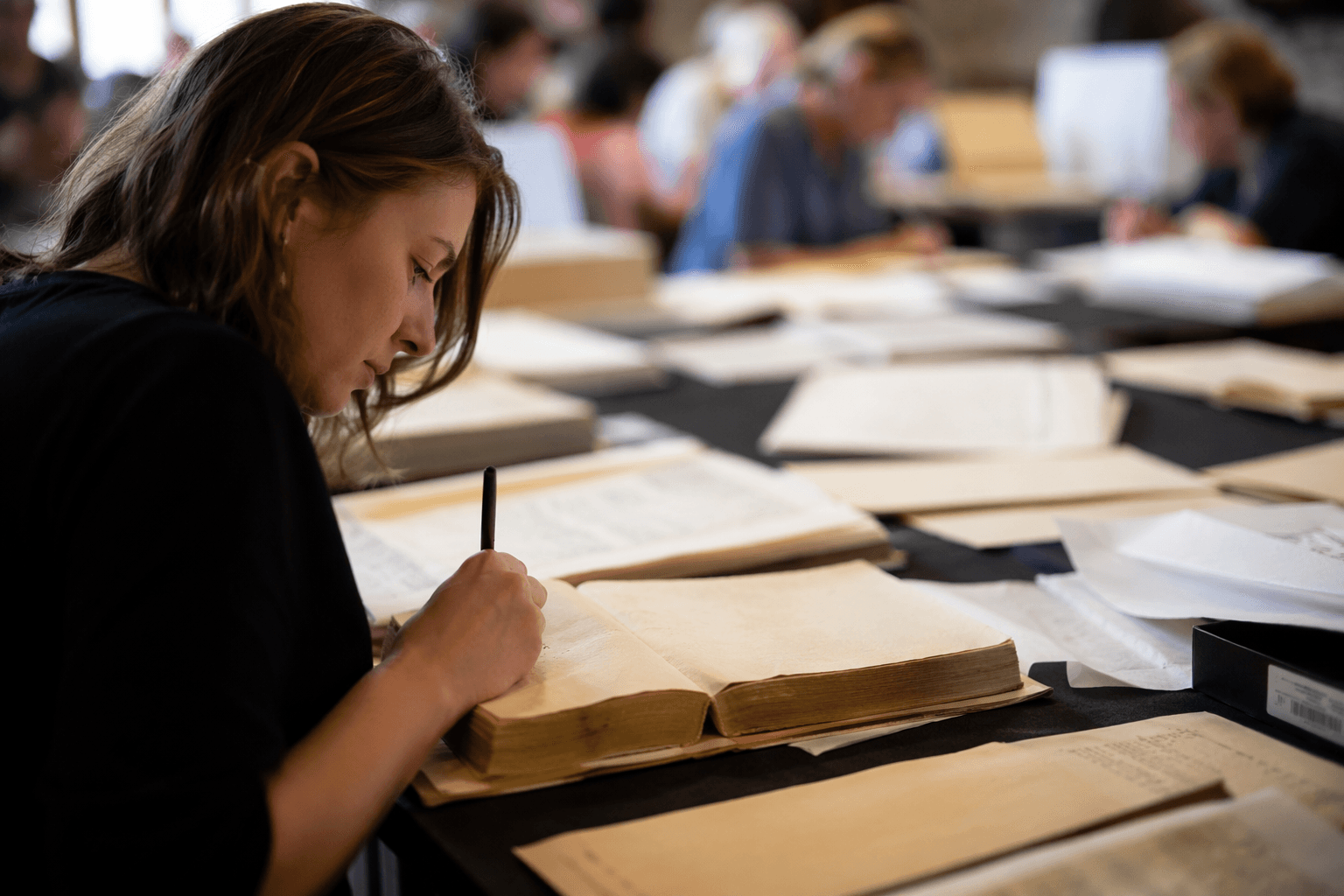
Auckland library marks Chinese Language Week with calligraphy workshop
Flat Bush Library is making Chinese Language Week hands-on, with scavenger hunts, snacks and a Sunday calligraphy workshop built for beginners.
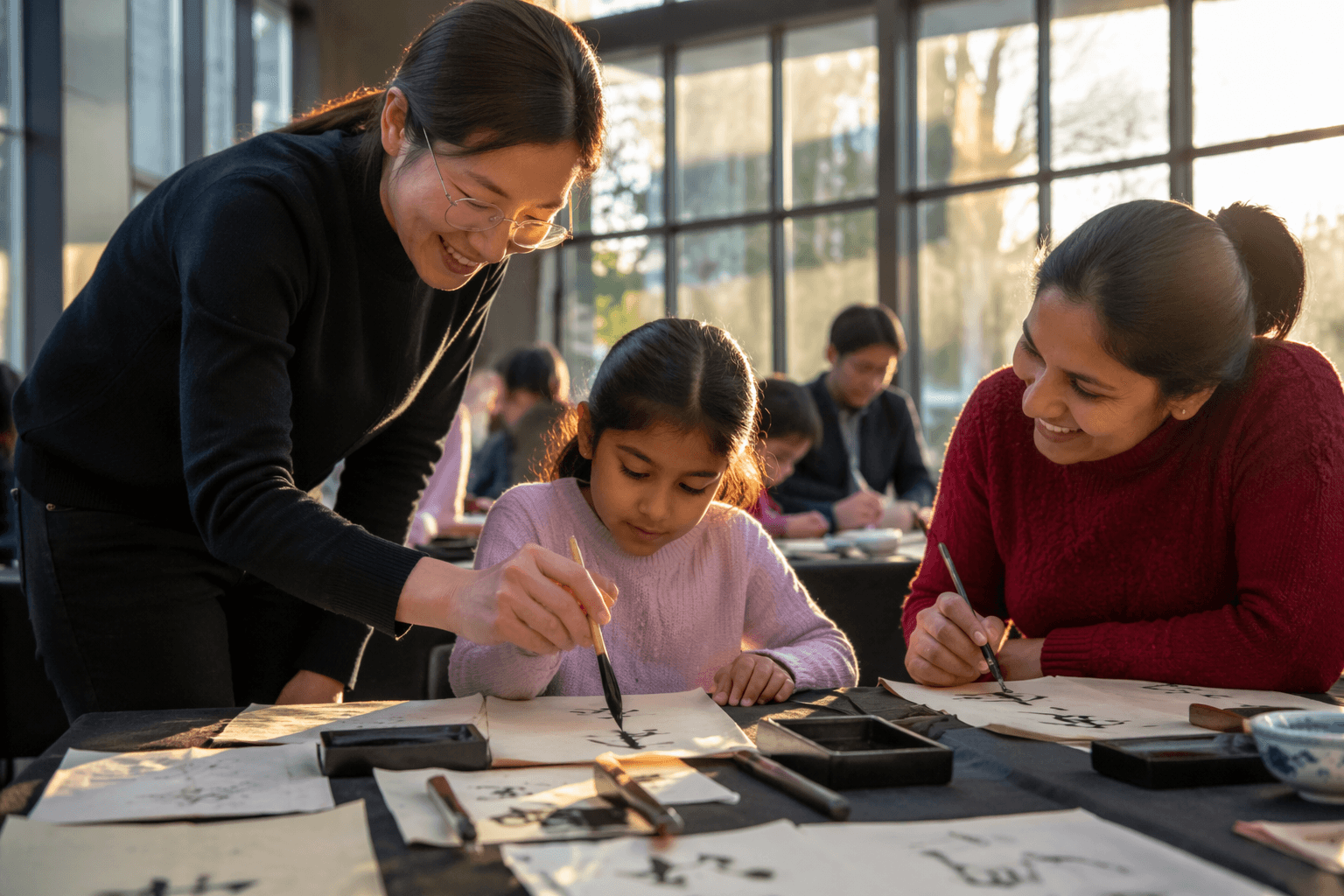
The Chinese Calligraphy Workshop at Flat Bush Library is set for Sunday 5 July 2026, from 2pm to 3pm, at the end of a week of scavenger hunts, toddler time, silk flower craft and a quiz-and-snack session. It is the smartest move in the line-up. Instead of asking newcomers to jump straight into brush technique, the programme eases them in with scavenger hunts, toddler time, silk flower craft, a quiz-and-snack session and then, on Sunday, a dedicated calligraphy workshop.
A family programme built around touch, play and practice
The Flat Bush programme sits inside New Zealand Chinese Language Week, which runs from 29 June to 5 July 2026. The event includes interactive videos, a Kahoot quiz, a scavenger hunt and Chinese snacks, making it feel more like a cultural open house than a formal lesson.
The schedule is clear and useful. The quiz-and-snack session is set for Saturday 4 July 2026, from 2pm to 3pm. The back-to-back timing gives families a simple sequence: play with the language on Saturday, then take a brush to paper on Sunday.
Alongside those anchor events, the broader Flat Bush library programme includes a Chinese scavenger hunt, toddler time and silk flower craft. Those activities are the on-ramp that makes the calligraphy session feel reachable, especially for parents and beginners who may not know the first thing about Chinese characters.
How the scavenger hunt lowers the barrier
The scavenger hunt is the most beginner-friendly part of the programme, and it works because it turns character recognition into a game. Attendees can ask for a worksheet at the front desk and then look for the English translation somewhere around the library, which means the activity is part literacy exercise, part exploration, part puzzle.
For many newcomers, the hardest part is not the brush, it is the fear of the script. A scavenger hunt gives people a chance to notice shapes, compare them with English meaning and start building familiarity without the pressure of performance. By the time the workshop arrives, the characters are less mysterious and more like forms they have already handled in a casual way.
The rest of the week follows the same logic. Toddler time, silk flower craft and the quiz-and-snack session all keep the mood light while still centring Chinese language and culture.
Why the calligraphy workshop is the hinge point
The Sunday workshop is the capstone. Chinese calligraphy is an ancient art form that combines language, rhythm, balance and expression. This is not just a craft table with nice paper. It is a hands-on way to meet the structure of Chinese writing through a traditional set.
That traditional set is part of the attraction for hobby readers and curious parents alike. A workshop like this gives attendees a direct look at brush handling, ink, character form and the spacing that makes calligraphy feel alive on the page. The point is not to leave with perfect characters. It is to leave with the experience of making them, and with a better sense of how brush, ink and rhythm work together.
Because the session comes after a full day of quiz-and-snack activities and after earlier family programming in the week, it lands as something more substantial than a drop-in craft. It is the first moment in the programme where participants can move from recognition to making.
Flat Bush as a local gateway
A temporary Flat Bush library service was due to open in Ormiston Town Centre in early 2026, while the full community centre and library remain a few years away. That puts this programme inside a part of Auckland that is still building out its library presence.
The council’s holiday-hours notice also lists Flatbush Library among the libraries with specific holiday arrangements, another reminder that this site is being used as a visible community hub.
New Zealand Chinese Language Week was launched in 2014 by Jo Coughlan and Raymond Huo, and its stated goal is to increase Chinese language learning in New Zealand while bridging cultural and linguistic understanding between China and New Zealand.
What families can actually take away
The practical takeaway from the Flat Bush programme is simple: you do not need to arrive already comfortable with Chinese to get something out of it. You can start with a worksheet, follow the English translation around the library, sit through the quiz, bring a child to the toddler activities, and then step into the calligraphy session with enough context to enjoy it.
This article was produced by Prism’s automated news system from verified source data, official records, and press releases, then run through automated quality and moderation checks before publishing. The system is built and supervised by the people who set the standards it runs under. Read our full AI policy.
Did this article answer your question?