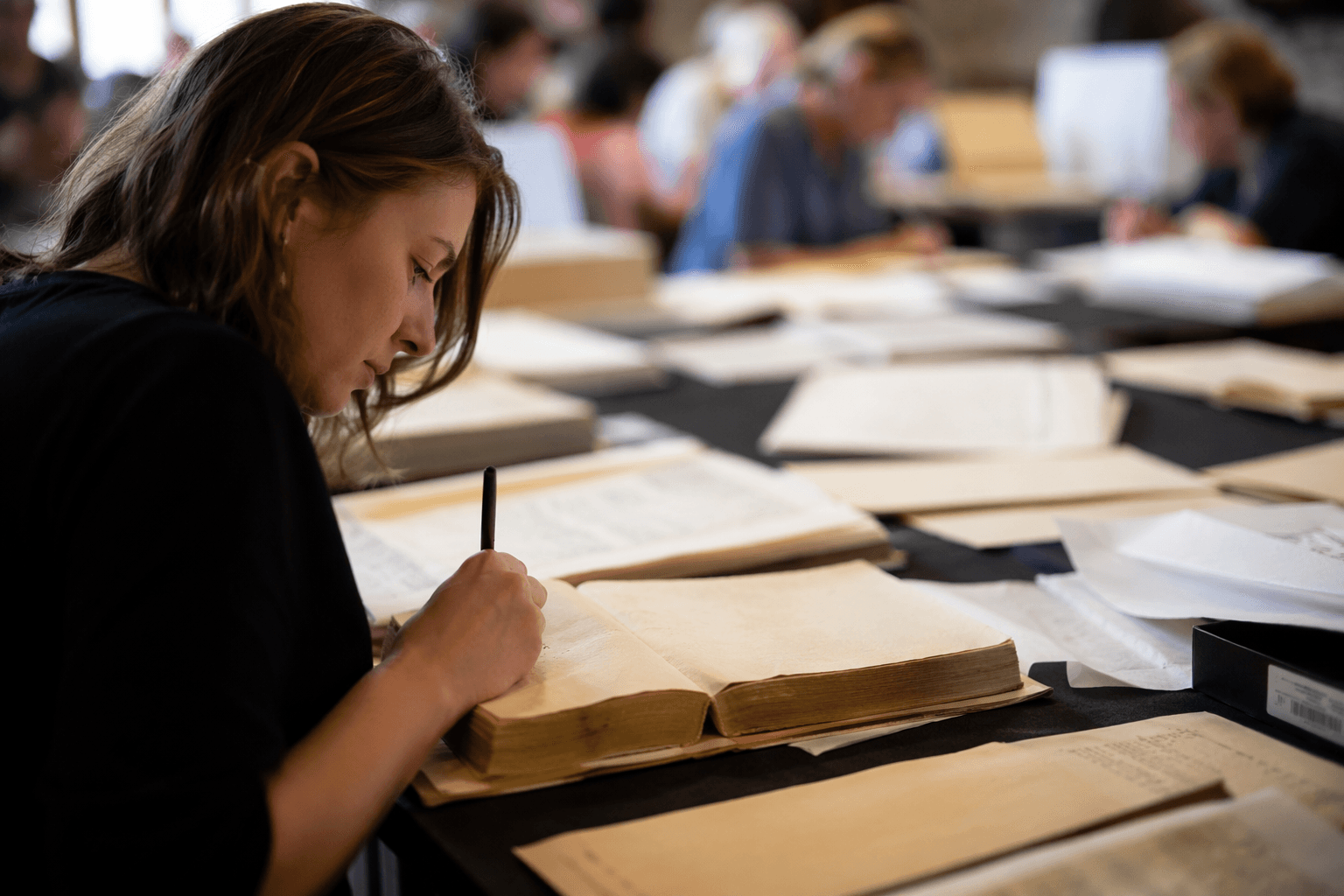
Museum of Islamic Art turns galleries into Arabic calligraphy classroom
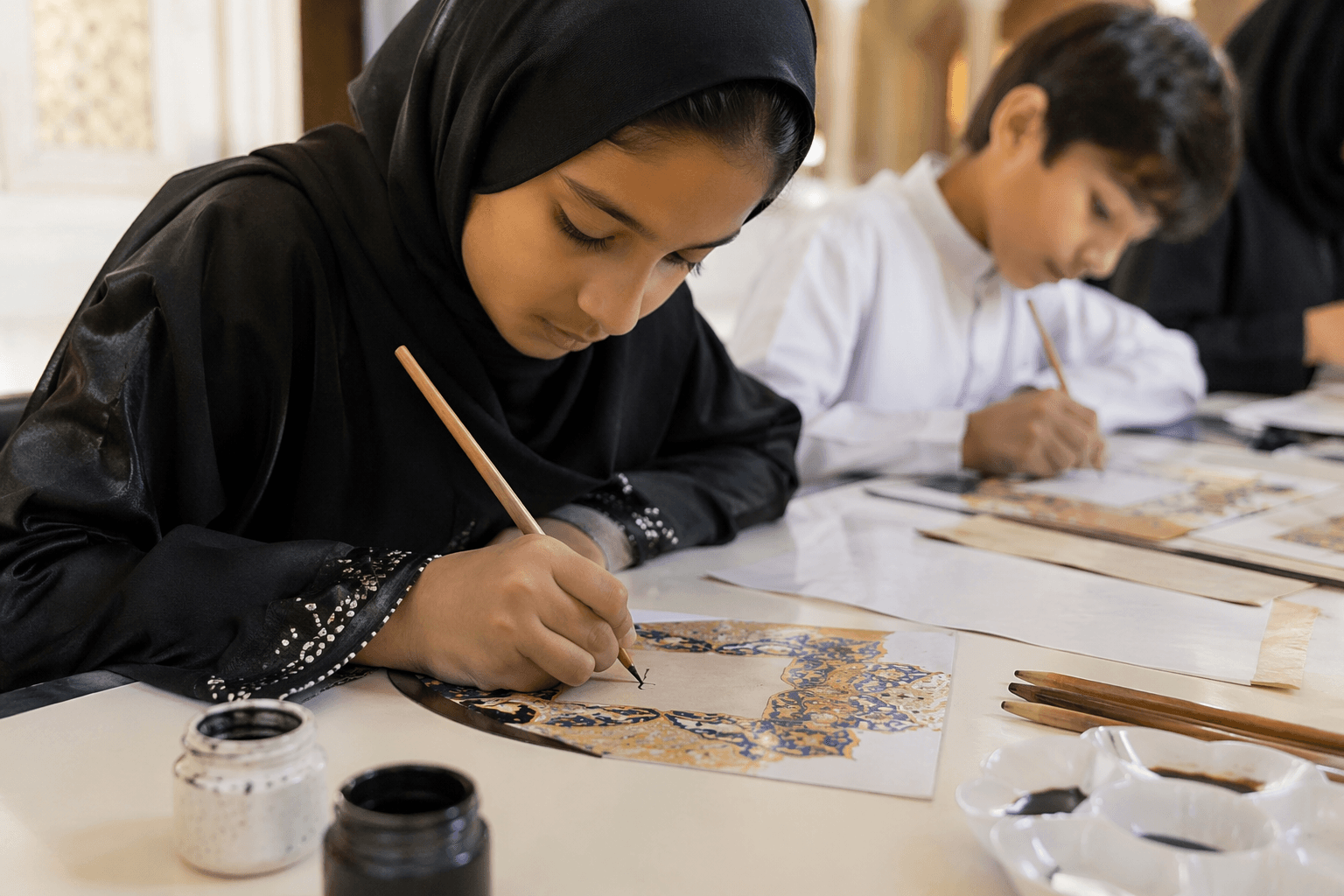
Children and young people turned MIA’s Education Centre into a free Arabic calligraphy classroom, choosing texts from the collection and writing on glossy ornament paper.

The Museum of Islamic Art in Doha turned its galleries into a hands-on Arabic calligraphy classroom for children and young people on June 24, with a free workshop at the Education Centre that required registration. The session, Creative work by Arabic Calligraphy, put the museum’s collection at the center of the lesson instead of treating calligraphy as a display case subject.
Participants were invited to choose a text from the museum collections and write it on glossy ornament paper using materials supplied by the museum. That setup made the workshop practical from the start: children and young people were not just looking at Arabic script, they were copying it, shaping it and taking home a finished piece inspired by what they saw in the MIA galleries. Hussein Ammar Ahmad led the session.
The format fit neatly inside Qatar Museums’ June 2026 public programme, which stretched across Doha with family activities, workshops and guided tours. For calligraphers, that matters because it shows the museum is treating Arabic calligraphy as a live skill, not only a historical artifact. MIA’s school workshops are offered in Arabic and English for students of all ages, and the museum has also run separate sessions in Naskh, Ruq'ah, Diwani and Kufic.
Those script-specific classes give the broader programme real depth. MIA’s Naskh workshop explains that the script was used for copying books and manuscripts and that all copies of the Qur’an are written in it. Its Diwani page notes that the script was once used for royal decrees and other documents, while the Kufic workshop traces the style back to Hijazi script and describes its bold, vertical letters. That kind of framing gives beginners more than a decorative exercise; it places each line and curve inside a working tradition.
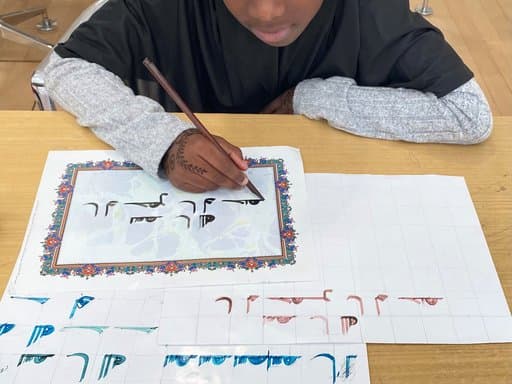
For families and young visitors, the appeal is simple: the museum made Arabic calligraphy approachable without stripping away its discipline. By tying a free, registration-based workshop to its own collections and supplying the paper and tools, MIA gave beginners a direct way into the art, with the gallery itself serving as the classroom.
This article was produced by Prism’s automated news system from verified source data, official records, and press releases, then run through automated quality and moderation checks before publishing. The system is built and supervised by the people who set the standards it runs under. Read our full AI policy.
Did this article answer your question?