Catamaran prices in 2026, what buyers need to budget
The cheap sticker is the trap. A catamaran budget gets blown up by options, commissioning, taxes, and berth costs long before you cast off.
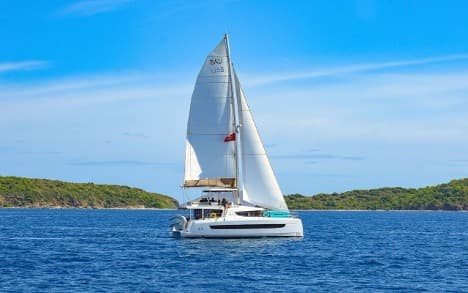
One catamaran can sit near $150,000 while another reaches $3 million, and the gap has much less to do with length alone than with age, brand, layout, and whether you are shopping a sailing cat or a power cat.
Size bands that actually help you budget
If you want a usable framework, start with brackets, not wishful thinking. Used boats in the 35 to 40-foot range can land around $100,000 to $250,000, newer builds or well-kept used boats in the 40 to 50-foot class generally move to $250,000 to $700,000, and brand-new 45-foot cruising cats from top builders usually start around $500,000 to $800,000. Above 50 feet, the floor jumps to roughly $700,000 and quickly climbs past $2 million, while custom superyacht catamarans often live in the $5 million to $10 million universe.
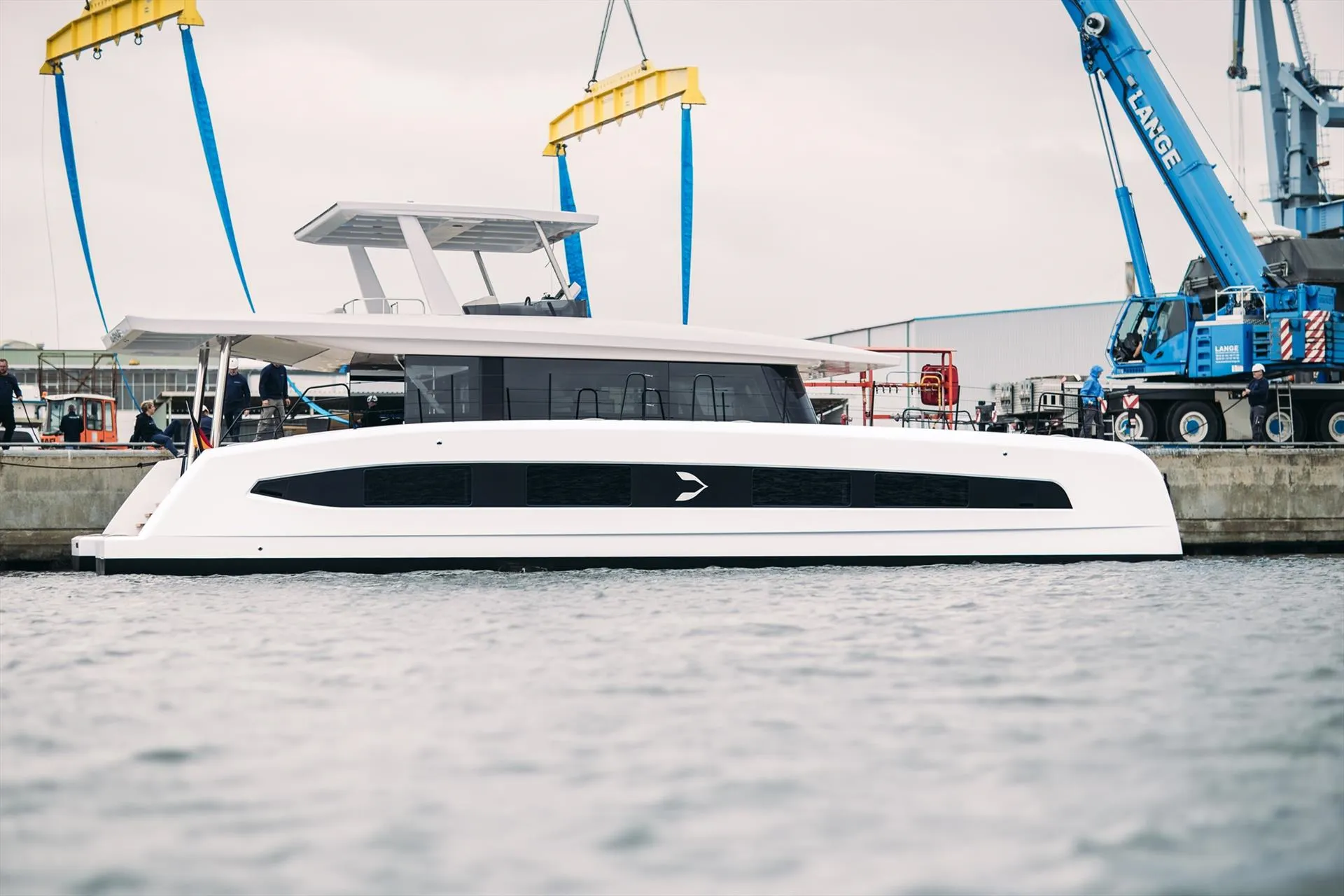
You can see how quickly that plays out on real boats. Lagoon’s 42 has a 2026 price list, measures 13.22 meters, or 43 feet 4 inches, and offers berths from 6 to 12. The Leopard 46 is the new sailing catamaran replacing the Leopard 45, while Fountaine Pajot builds sailing catamarans from 40 to 80 feet and is aiming for a fleet equipped with hybrid powertrains by 2030.
The brochure price is not the delivery price
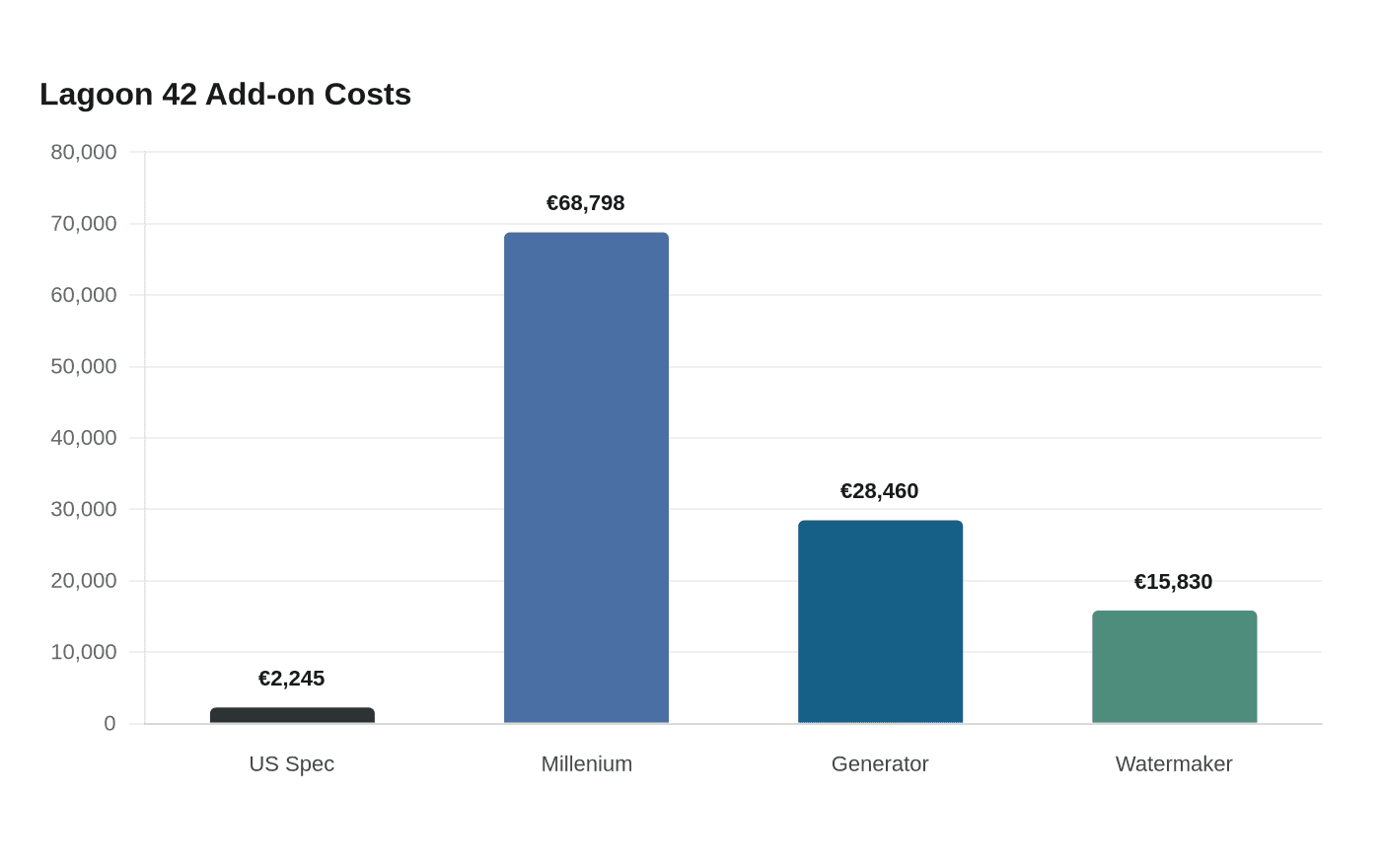
This is where the spreadsheet gets ugly. Lagoon’s 42 price list shows a standard 3-cabin, 3-head boat at €529,000 before tax, with the US 115V/60Hz spec adding €2,245, the Millenium offer adding €68,798, a generator adding €28,460, air conditioning running €32,990 to €38,030, and a watermaker adding €15,830.
The hidden line items do not stop at options. Lagoon’s own cost explainer calls out transport from the yard or previous berth, commissioning or launching fees, prep for the first cruise, and import or entry taxes when the boat crosses borders. YachtTrading puts the total drag from delivery specifications, taxes, and shipping at roughly 10% to 25% of the total expense.
New, used, or ex-charter
Buying new gets you the latest systems, a warranty, and a layout built around how people actually live aboard now, but it is the most expensive route. A comparable used catamaran built in the last five to ten years can often be 30% to 50% cheaper, and the discount moves with age, condition, specification, tax status, and charter history. BoatValue’s appraisal guide puts ex-charter cats at 15% to 25% less than comparable private-owned boats, while noting the upside that charter boats often come with recent maintenance, updated safety gear, and documented service records.
The price can be attractive, but the buyer has to care about the survey, the maintenance trail, and the wear pattern.
Sail cat or power cat changes the shape of the bill
Sailing cats still own the long-range cruising and liveaboard brief, and they usually give you a little more value per foot. Power cats carry the higher price tag because twin engines and onboard systems are more complex, but they buy back ease of handling and interior volume. Aquila’s 46 Coupe shows the power side clearly, with a 14.44-meter, 47-foot-4-inch length overall, outboard or inboard propulsion, two cabins, and the Hydro Glide foil system; on the sailing side, a 2026 Aquila 50 Sail listing started at $1,085,000 before tax, which is a good reminder that a 50-footer can move well beyond entry-level territory very fast.
Fountaine Pajot’s fleet spans 40 to 80 feet, and it wants hybrid powertrains across the line by 2030. The FP51 is positioned around long-distance cruising, fluid onboard circulation, and a layout that works for both private cruising and charter use.
The market backdrop in 2026
Pricing also sits inside a market that has calmed from the pandemic spike without going soft. In Boatshed’s market case study, catamarans were bid up hard during Covid because demand surged while supply was constrained. Catamaran Central marked 2025 as a better pricing year for buyers, and Just Catamarans recorded a slightly narrower median discount.
Global Market Insights estimated the catamarans market at $4.5 billion in 2025 and $4.8 billion in 2026, while Persistence Market Research put it at $5.2 billion in 2025 and $8.5 billion by 2032. In the U.S., NMMA puts recreational boating’s annual economic impact at $230 billion, and a 2026 industry summary cites roughly 11.8 million registered boats.
Budget for owning the boat, not just buying it
Once the keys change hands, the annual burn rate matters more than the deal headline. Boatwork’s 2026 guide puts a 40-foot sailing cat at $30,000 to $65,000 a year to own, with marina fees of $10,000 to $28,000, insurance at $3,000 to $8,000, maintenance at $8,000 to $20,000, and operating expenses at $2,000 to $5,000. YachtTrading’s broader rule of thumb puts annual maintenance, insurance, berthing, and fuel at 6% to 12% of vessel price, rising to about 18% for long-distance cruising or heavy use, while the old 10% rule still works as a blunt first-pass budget.
This article was produced by Prism’s automated news system from verified source data, official records, and press releases, then run through automated quality and moderation checks before publishing. The system is built and supervised by the people who set the standards it runs under. Read our full AI policy.
Did this article answer your question?