Catamarans race coastal finale at IMA Maxi European Championship in Sorrento
Catamarans grabbed the coastal finale in Sorrento, but the bigger story is that multihulls are now part of the maxi main event, not an exhibition act.
Multihulls stopped being the warm-up act in Sorrento
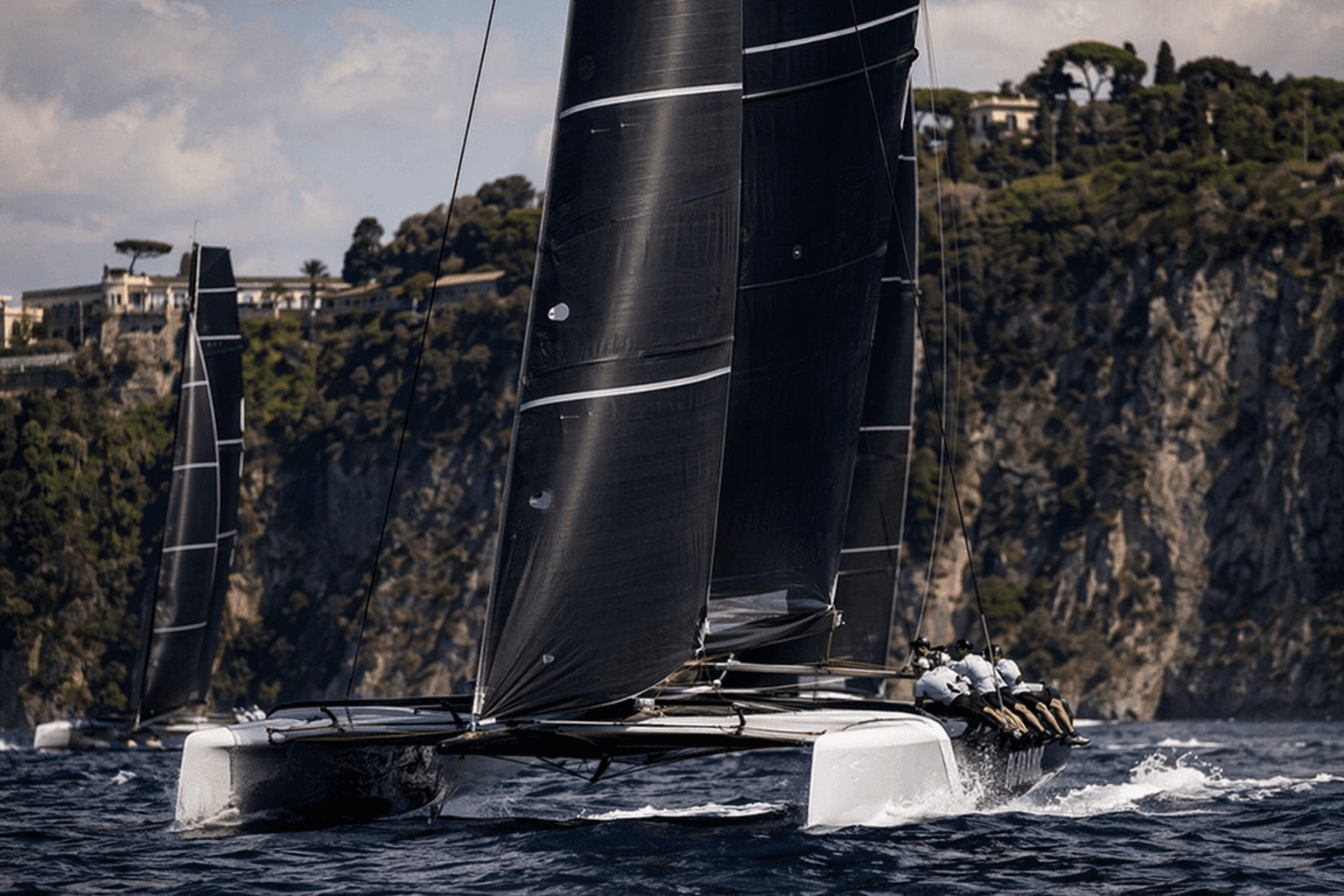
The closing day in Sorrento gave catamaran fans exactly the kind of proof they like to see: the multihulls were not parked on the sidelines of the IMA Maxi European Championship, they were right in the mix. After a week in the Gulf of Naples, the Tre Golfi Sailing Week Multihull Trophy sent the catamarans out on a coastal course, then handed the stage back to the maxi fleet for its final windward-leeward fight.
That sequencing matters. The multihulls were not treated as a separate curiosity bolted onto the programme. They were part of a championship that also crowned the main maxi classes, and that placement says a lot about where high-performance cats sit now in the broader maxi ecosystem.
The day’s race shape rewarded speed and nerve
The start was delayed, but conditions improved enough to produce the best breeze of the day, with about 20 knots at the top of the course. That was proper catamaran air, the kind that rewards clean speed and punishes sloppy handling, and it was enough to put several boats over the edge of their comfort zones.
Adrian Keller’s Irens 82 Allegra made the most of it, winning the multihull coastal race ahead of the Nisbet family’s Gunboat 72 Layla. That result underlines a familiar truth in multihull racing: once the breeze freshens and the course opens up, the margin between sailing fast and sailing on the edge gets very thin.
Joost Schuijff’s Leopard 3 also stood out for the right reasons. After earlier boom trouble, the boat handled the breeze well when it mattered, which is exactly the sort of reminder that defines modern big-cat racing. These boats are high-performance machines, but they are also fragile in a way that can turn a good day into an expensive one very quickly.
What the catamarans showed against the maxi backdrop
The most useful lesson from Sorrento is not just who won the multihull race, but how the multihull fleet was framed inside the event. The championship titles across the maxi monohull classes went to V, Jolt, Cippa Lippa X and Fra Diavolo, and that spread of winners tells you the week was tightly fought from one division to the next.
In that context, the catamarans were not there to make up the numbers. They added another layer of tactical and technical depth to a regatta already packed with top crews, serious sponsors, and some of the most competitive offshore sailors in the world. For readers used to seeing catamarans treated as specialist craft, that is the shift worth paying attention to.
The best maxi events now have a broader definition of prestige than they did a few years ago. A big monohull still carries enormous weight in the class structure, but the multihull component brings a different kind of intensity: more exposed speed, sharper boat prep, and less forgiveness when the wind builds.
Why the line between niche and benchmark keeps blurring
This is where the Sorrento finale becomes more than a results note. The multihull presence at Tre Golfi reflects a bigger change in the way the top end of the sport operates. Catamarans are no longer being positioned as a side show to the headline maxi fleet; they are being integrated into the same championship environment, which is a meaningful statement about their status.
That integration also raises the level of scrutiny. If a multihull is sailing alongside the most visible maxi classes, then its design, reliability, and handling are being judged in the same prestige lane as the monohulls. In practical terms, that means cats are not just there to be fast. They are there to prove they belong in an elite offshore and coastal racing setting.
The result is a healthier, more interesting top tier. Monohulls bring the traditional championship gravitas, while multihulls inject a more extreme speed and technical dimension. The championship in Sorrento showed that the sport does not need to choose between them, because the best events now use both to define what serious maxi racing looks like.
What catamaran followers should take from Sorrento
If you track catamarans because you care about the cutting edge, this race was a clean read on current form. Allegra’s win in about 20 knots, Layla’s pace in close company, and Leopard 3’s recovery after boom trouble all point to the same thing: at this level, a multihull is only as strong as its setup, its handling, and its ability to survive the bigger breeze.
A few takeaways stand out:
- Big cats still love pressure, but only when the crew keeps the platform under control.
- Reliability remains part of the performance equation, because boom trouble or any other failure can erase a fast setup in a hurry.
- The best catamaran results now matter inside the wider maxi conversation, not just within the multihull lane.
- When the breeze gets up, the multihulls stop looking like an alternative format and start looking like a benchmark.
That is the quiet story from Sorrento. The coastal finale gave the catamarans room to show what they do best, and the wider championship gave them a serious stage to do it on. For anyone following the top end of the sport, the message is hard to miss: the multihull class is not waiting outside the tent anymore. It is helping define what the tent is for.
This article was produced by Prism’s automated news system from verified source data, official records, and press releases, then run through automated quality and moderation checks before publishing. The system is built and supervised by the people who set the standards it runs under. Read our full AI policy.
Did this article answer your question?