Engineers 3D print first monolithic catamaran hull in 160-hour run
A 6-meter monolithic catamaran came out of a single 160-hour print, using recycled polypropylene and glass fiber. The bigger question is whether this changes how custom multihulls get built.
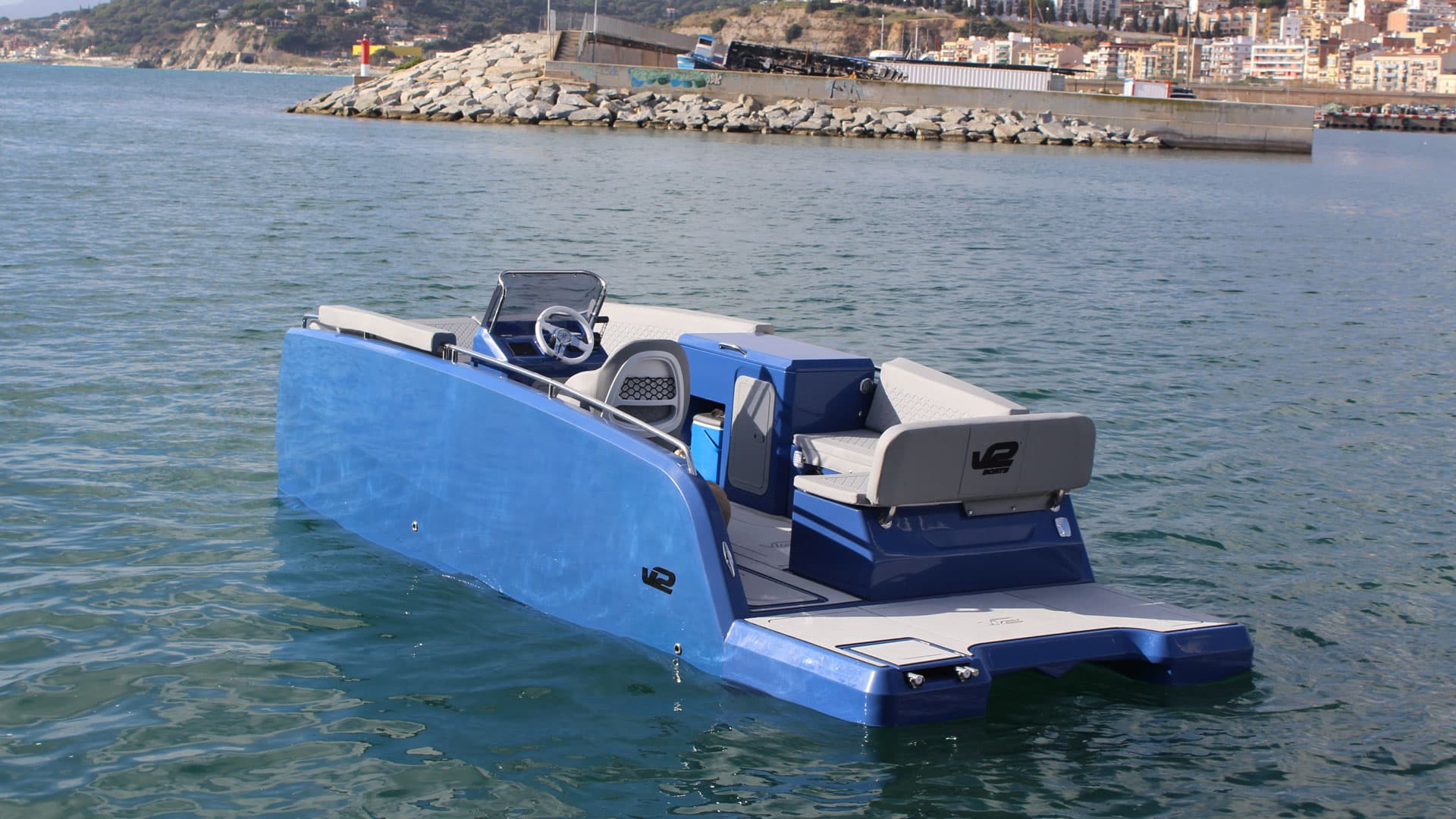
A 6-meter catamaran hull came off Caracol AM’s Heron AM robotic platform in one uninterrupted 160-hour run, and that is the number worth sitting with. What does a monolithic, open-water multihull like this mean for the way future catamarans get bought, built, and repaired: faster, cheaper custom production, or still just a spectacular prototype?
Caracol AM and Spain-based V2 Group describe the boat as the first functional 6-meter-long monolithic catamaran for open waters. The hull was printed with recycled polypropylene reinforced with 30% glass fiber, a material choice aimed at keeping the structure light while avoiding the waste, tooling, and assembly steps that come with conventional fiberglass boatbuilding. One reported set of dimensions put the hull at about 5,000 x 2,300 x 1,500 mm, with a weight of roughly 1,200 kilograms.
That matters because catamaran construction lives and dies on repeatability. Traditional molds are expensive, custom changes are slow, and small design tweaks can ripple through an entire build schedule. Caracol’s February 2025 case study framed the project as something meant to be industrialized and scaled for naval use, not treated as a one-off display piece. Follow-up coverage also pointed to claimed gains of about 30% less waste and 20% shorter lead times, the kind of numbers that catch the attention of builders trying to shave weeks off production.
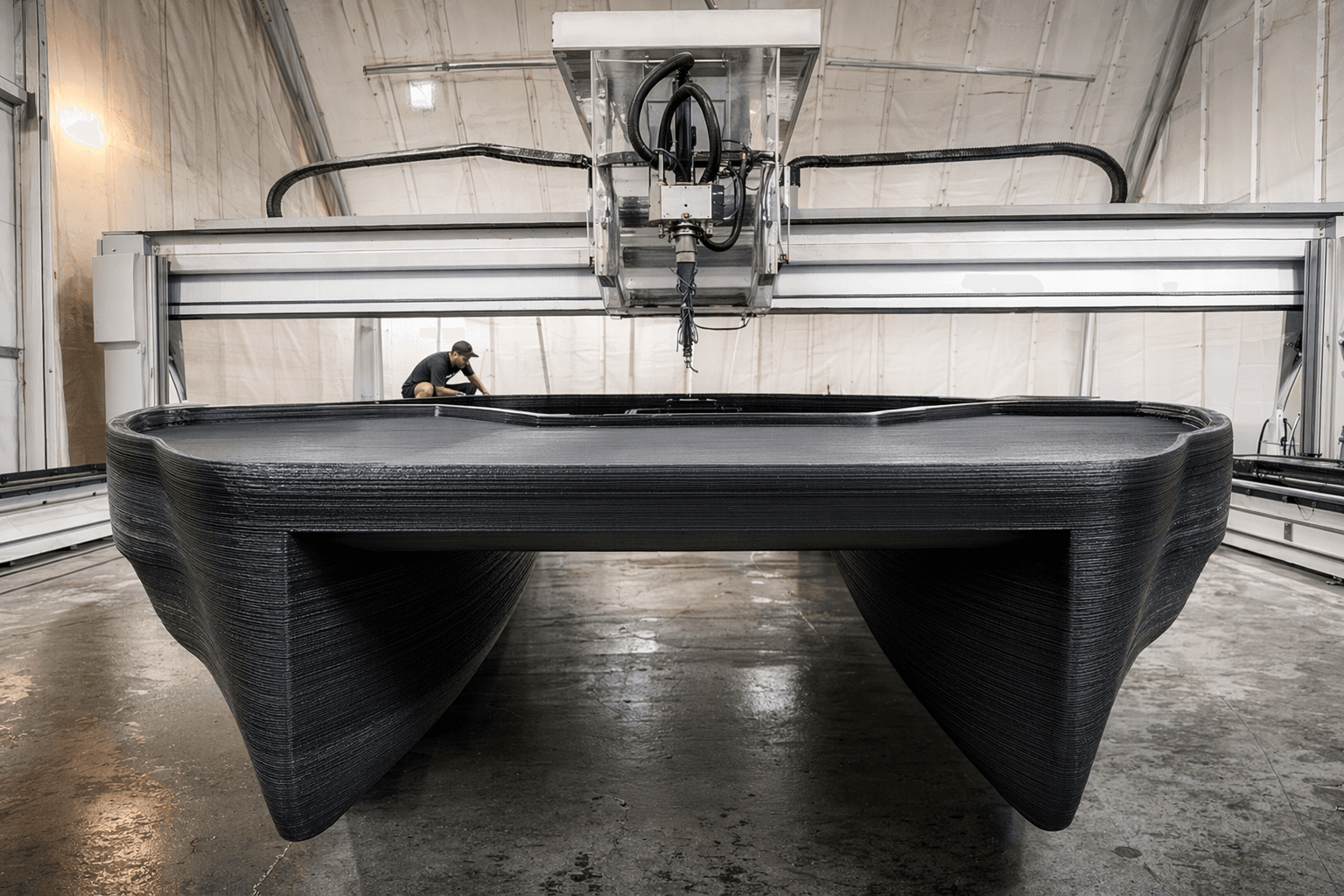
The process also points to where large-format additive manufacturing is already pushing into marine work. Caracol says LFAM is being used for hulls, molds, superstructures, and custom yacht components, so this catamaran did not appear out of nowhere. It sits on top of a broader shift away from traditional layup and toward robotic production that can handle big, complex parts with fewer manual steps. In that context, the Heron AM platform is less a novelty than a production test bed.
The real value for catamaran buyers is obvious: if a yard can print a light, structurally capable hull without a mold, it opens the door to more customization with less upfront cost. The real test is whether that promise survives the hard parts of yacht life, including seaworthiness over time, repair strategy, and the economics of building beyond a single demonstrator. For now, this looks like a serious proof of concept, and one that pushes monohull-and-mold thinking a little farther out of the marina.
This article was produced by Prism’s automated news system from verified source data, official records, and press releases, then run through automated quality and moderation checks before publishing. The system is built and supervised by the people who set the standards it runs under. Read our full AI policy.
Did this article answer your question?