Halifax SailGP preview spotlights F50 catamarans, repairs and title race
Halifax is the first real stress test of the SailGP title race. The F50s, the repairs, and the weather will show who can handle pressure when the margins get tiny.
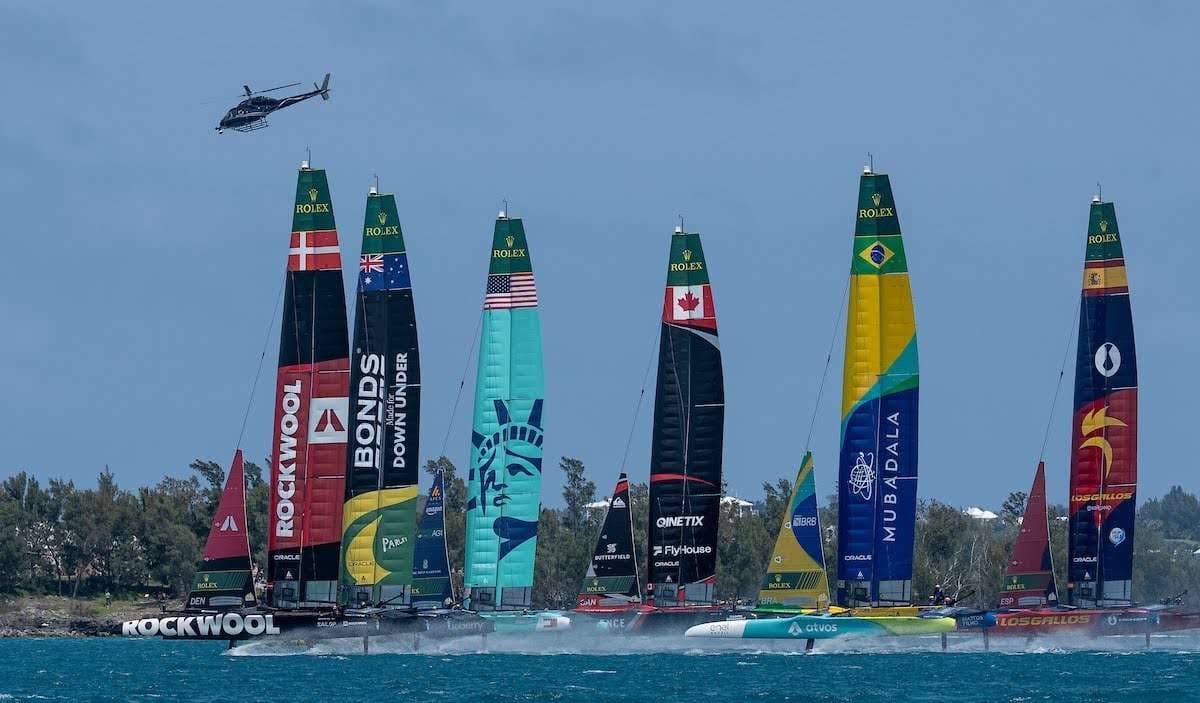
Halifax is where the SailGP season stops being a leaderboard story and turns into a hard test of setup, repair work, and nerve. Australia’s Bonds Flying Roos arrive on top, NorthStar is finally finding some rhythm, Canada has a fresh podium to lean on, and the Black Foils are back after a major rebuild. In a fleet of identical F50 catamarans, that mix of form, fixes, and pressure is exactly what can swing a championship.
Why Halifax matters now
This stop carries more weight than a normal regular-season weekend because the title picture is tightening. Australia’s Bonds Flying Roos have the overall lead, which means everyone else is racing both the clock and the points table. Halifax is the kind of venue that exposes small weaknesses quickly, and at this stage of the season there is no hiding from them.
What makes this preview matter for catamaran watchers is that the story is not about a single boat design advantage. The F50 platform is standardized, so the separation comes from setup choices, crew rhythm, and how well teams absorb pressure when the racing gets messy. Halifax becomes a live exam of which crews can keep their boats in the right mode and their decision-making clean when the title fight sharpens.
The contenders under the most pressure
Australia sets the benchmark, but the chase group is where the weekend gets interesting. NorthStar is coming in with better form after a difficult stretch, and that kind of momentum matters more in SailGP than casual fans often realize. When the fleet is this even, one good weekend can change the mood inside a team as much as it changes the standings.
Canada has its own storyline. The home team finally broke through with a third place in New York, ending a podium drought and giving the crew a result it can build around in front of a home crowd. That does not solve everything, but it does change the tone, because confidence matters when the starts are compressed and the race windows are short.
Then there is the Black Foils, whose return adds a different kind of pressure. Their collision earlier in the season forced a long rebuild, and SailGP Technologies plus the shore crew spent months getting a new F50 race-ready. In a championship where one damaged boat can wipe out weeks of momentum, their return is a reminder that repairs are part of the title race too.

What Halifax conditions will test
Halifax is not a neutral backdrop. The preview describes cold Arctic waters meeting summer sea breezes, and that combination is a proper setup challenge for the F50s. If the forecast builds through the weekend as expected, the crews will have to adjust fast instead of locking into one setup philosophy and hoping it holds.
That matters because SailGP is won in tiny margins. These boats are identical foiling catamarans, so the difference is rarely raw speed in isolation. It is how quickly the team gets off the line, how smoothly the boat stays in flight, and how little speed is lost when the foils, wings, and crew movements are under load.
The best crews will treat Halifax as a moving target. When wind and water conditions change through a weekend, the team that understands its own boat fastest usually steals the edge. If you want to know who is truly ready for a title run, watch how they respond when the first setup assumption proves wrong.
The race cues that will tell the real story
The obvious thing to watch is the start. SailGP starts are brutally short and unforgiving, and on identical boats a bad launch is hard to rescue. A clean first minute can put a team in control immediately, while one messy entry can leave even a fast boat buried in traffic.
Foil control is next. In this class, keeping the boat stable on the foils is not just a technical flourish, it is the difference between carrying speed and bleeding it away. The crews that stay quiet and accurate through the foiling transitions will look far calmer than the teams that are fighting their own platform.

Boundary calls and course awareness matter just as much. Halifax will reward teams that can read the edges of the racecourse while still protecting speed, because over-aggression in a tight fleet can be expensive. The smartest teams will know when to attack a lane and when to hold position rather than forcing a move that costs a whole leg.
Roster moves and the tactical layer
There is also a tactical experiment running through the weekend. DS Team France strategist Manon Audinet returns after injury, which gives that team a fresh decision-making voice back on board. Mubadala Brazil is also trying a driver-strategist swap, a clear sign that crews are still searching for the best way to distribute responsibilities in this ultra-tight format.
That is part of what keeps SailGP compelling for catamaran fans. The boats may be standardized, but the league is still evolving tactically, and every roster move changes how a team handles timing, call structure, and pressure. Halifax will not just show who sails best. It will show which crews trust their own internal systems enough to execute when the stakes tighten.
The real read on the season
Halifax is not simply another stop on the calendar. It is a checkpoint for the whole championship, where the title race, the repair work, and the weather all collide around the same fleet of F50s. Australia leads, NorthStar is climbing, Canada has a much-needed result in hand, and the Black Foils are back after months of rebuild work.
That is why this weekend matters. Halifax will tell you whether the season is being shaped by speed alone, or by the harsher realities of starts, foil control, boundary judgment, and consistency under pressure. In this class, the boat is only half the story, and this stop should make that painfully clear.
This article was produced by Prism’s automated news system from verified source data, official records, and press releases, then run through automated quality and moderation checks before publishing. The system is built and supervised by the people who set the standards it runs under. Read our full AI policy.
Did this article answer your question?