How yacht charter brokers unlock a global catamaran marketplace
A booked-out catamaran is not the end of the hunt. The right broker can turn one unavailable boat into a global shortlist with more leverage.

The charter market is bigger than the screen
When you search for a sailing catamaran, you are not usually browsing a single owner’s fleet. Professional charter brokers draw from a worldwide inventory managed by yacht owners, central agents, and management companies, and the same yacht can appear through multiple brokers because the market is built around shared access rather than one in-house lineup. What looks like a small online catalog is often just the front end of a much larger system.
What happens when the obvious boat is unavailable
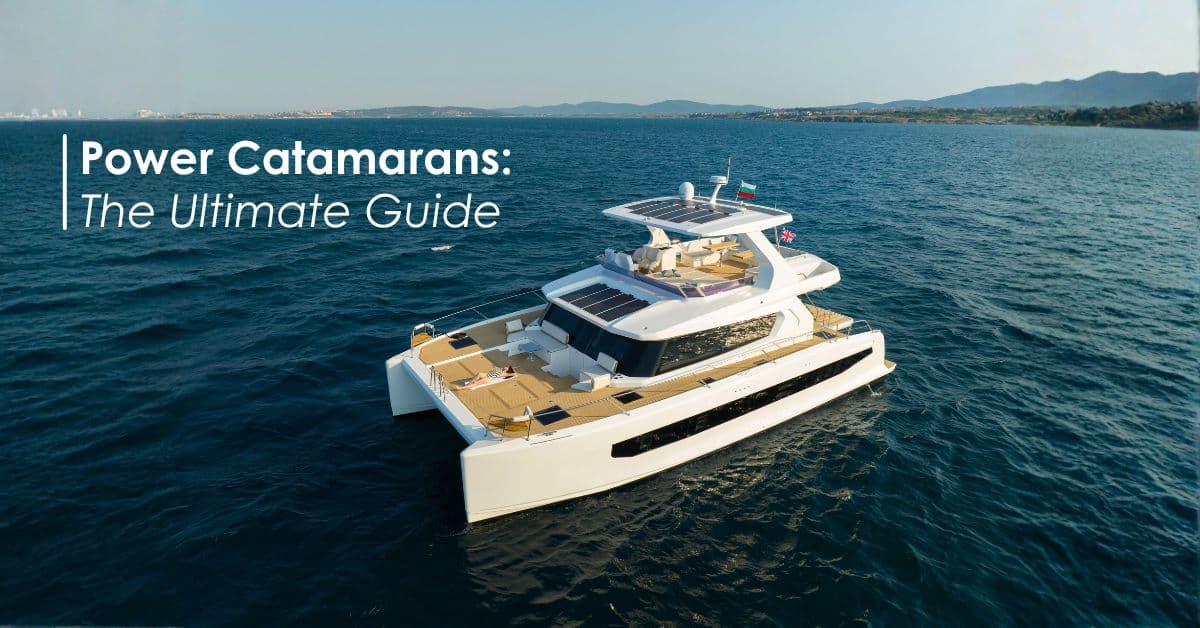
The real broker move is not to stop when your first-choice cat is booked. It is to translate your brief into a market search across destination, yacht type, length, guest capacity, price range, cabins, and builders, then widen the net to yachts that are not publicly displayed online. On the sailing-catamaran page, that can mean everything from a 23.87-meter Sunreef listed at EUR 74,000 per week to a 19-meter Lagoon at EUR 32,500, which shows how quickly the shortlist changes once budget and layout matter as much as brand recognition.
Why the same yacht appears in multiple places
Inventory duplication is not a glitch, it is how the system works. A yacht may be marketed through different brokers and platforms while still sitting inside the same professional framework, with availability, specifications, crew profiles, pricing, and conditions checked through industry networks and direct communication with central agents. That is also why experienced charter teams keep updating live listings, because yachts enter the market, dates change, and conditions move with the season.
The broker’s real job is curation
A good broker is not just a listing conduit. The role is to filter the noise, match yachts to your specific needs, and guide you through the process, while bringing judgment that cannot be pulled from a search result alone. Brokers who inspect yachts in person, meet captains and crews, and attend major yacht shows can judge condition, onboard atmosphere, crew dynamics, and service standards in ways photos never can. That matters most on catamarans, where the right fit is often about how the cabins flow, how the crew works the deck, and whether the yacht really suits a family holiday, a multigenerational trip, or a destination cruise.
Pricing is more flexible than the first number suggests
Because charter management teams market yachts to a global brokerage network and use seasonal pricing, negotiation support, and market positioning, the first rate you see is not always the final story. A broker can help compare real availability and conditions, spot where an off-market option is stronger value, and explain whether a substitution gives you the same cabin count, crew support, and cruising ground or merely a similar length. That is the leverage point for clients: the more clearly you define the brief, the more useful the market becomes.
How to book smarter
Before you lock onto one catamaran, ask for a shortlist built around the details that actually shape the week on board:
- exact cruising area and sailing window
- cabin count and guest capacity
- weekly budget and what is included
- whether the yacht is off-market or visible through other brokers
- who manages the yacht and who confirms availability.
Those questions move the conversation away from glossy photos and toward the practical realities of the charter. They also make it easier to compare boats that may sit in different places online but belong to the same underlying global fleet.
A booked-out catamaran is usually not the end of the search, it is the moment the broker starts doing the interesting work. Once you understand that the market is a shared, constantly changing network, you stop shopping like a browser and start booking like someone who knows where the leverage lives.
This article was produced by Prism’s automated news system from verified source data, official records, and press releases, then run through automated quality and moderation checks before publishing. The system is built and supervised by the people who set the standards it runs under. Read our full AI policy.
Know something we missed? Have a correction or additional information?
Submit a Tip