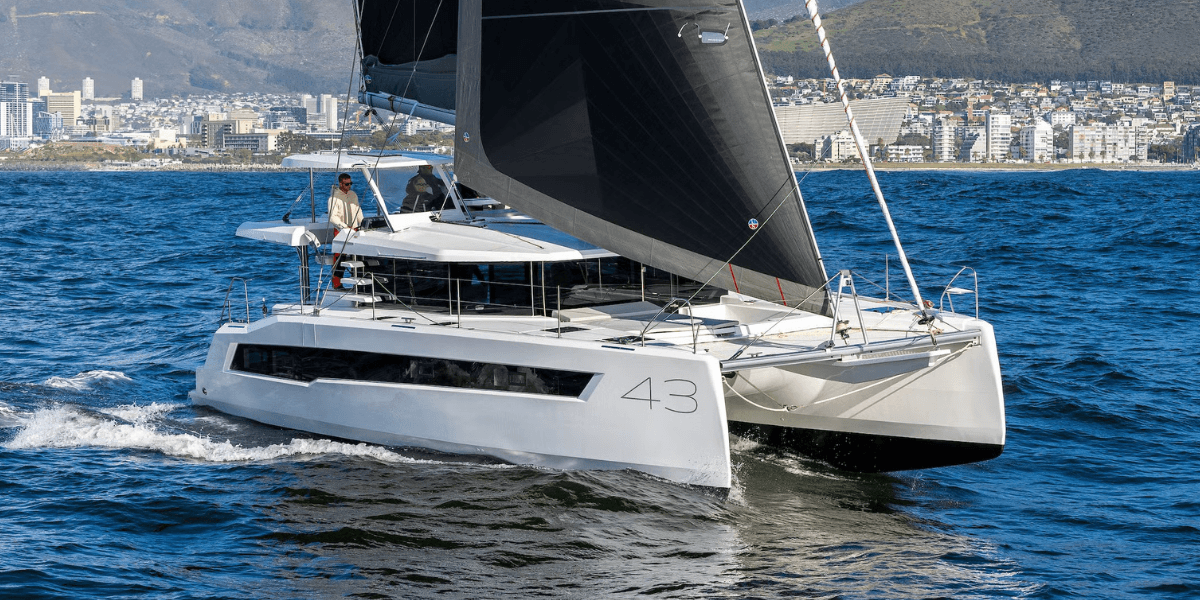
Island Spirit 525e signals catamaran yacht shift toward electric propulsion
The 525e shows electric catamarans are no longer fringe toys. Its range, solar, and charter-ready layouts make quiet cruising feel practical, not theoretical.
Electric propulsion is the point, not the garnish
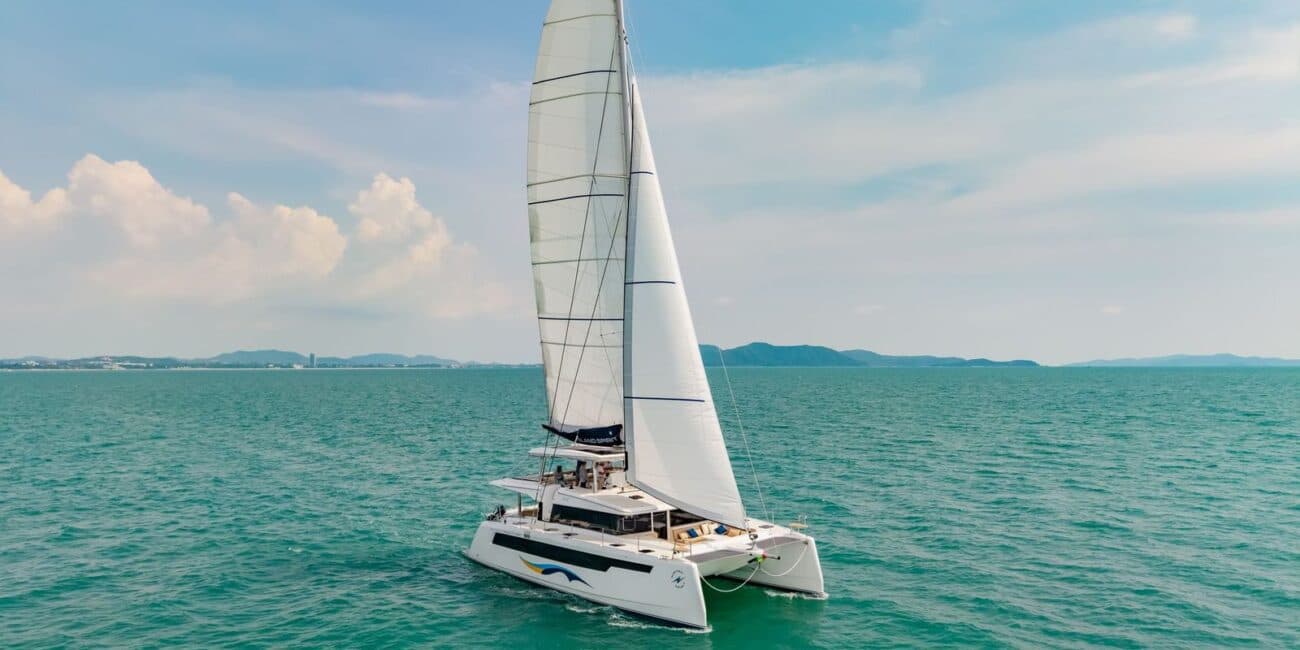
The Island Spirit 525e reads like a line in the sand for the catamaran market. This is not a diesel boat with an eco badge bolted on. It was developed from the outset with electric drive in mind, built in Thailand, and nominated by Cruising World for Boat of the Year 2026, which puts it in the same conversation as the most serious multihulls and hybrid-powered designs on the water.
That matters because the 525e is being presented as a real cruising catamaran, not a showroom experiment. Multihulls World has already slotted it into a feature framed around innovative design and electric propulsion, and Island Spirit’s own messaging pushes the same point: this is a flagship model meant to show where production catamarans are heading next.
The numbers behind the promise
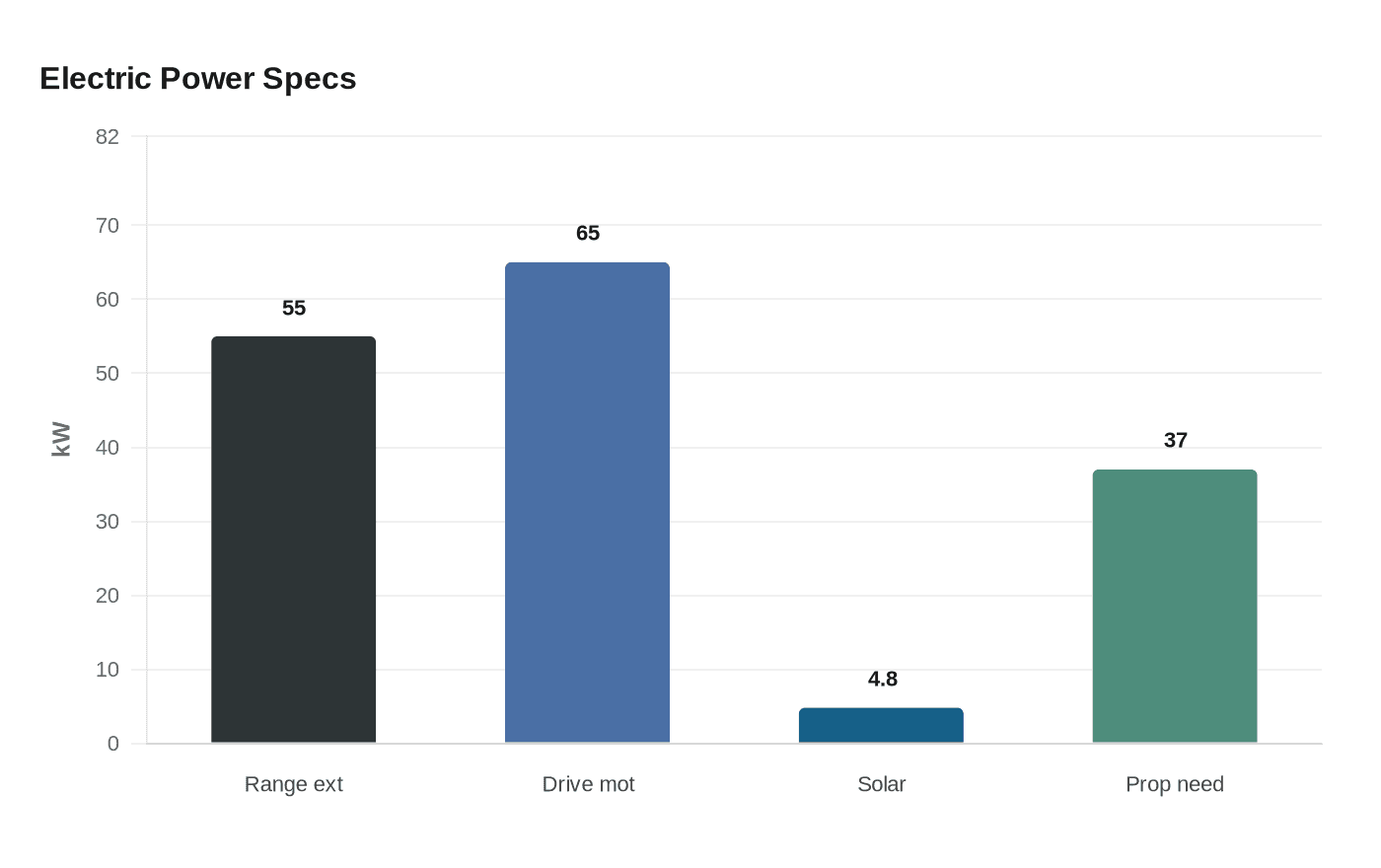
The 525e stops sounding abstract once you get into the spec sheet. Group Island Spirit says the electric drive package combines a 55 kW range extender, 65 kW rated drive motors, a 210 kWh storage system, and up to 4.8 kW of supplemental solar charging. The company also says the boat needs only 37 kW to move at 8 knots, which is exactly the kind of figure that makes electric propulsion feel less like a marina curiosity and more like a usable cruising system.
Range is where the boat earns attention from skeptical buyers. The 525e is described with more than 100 nautical miles available in electric mode and more than 1,800 miles in hybrid mode at a cruising speed of 6 knots. That combination changes the conversation for marina hopping, quiet coastal cruising, and charter work where guests care more about silence and comfort than the throb of an engine room.
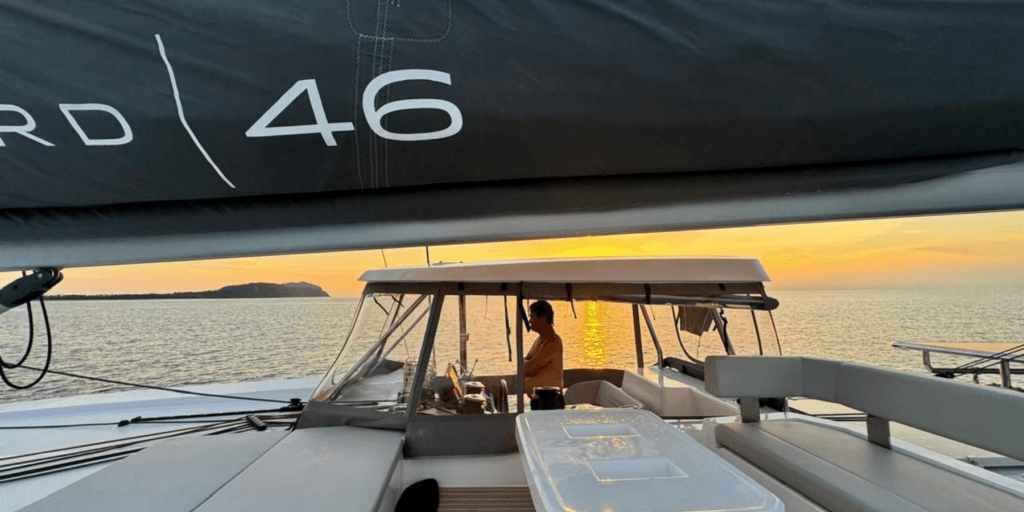
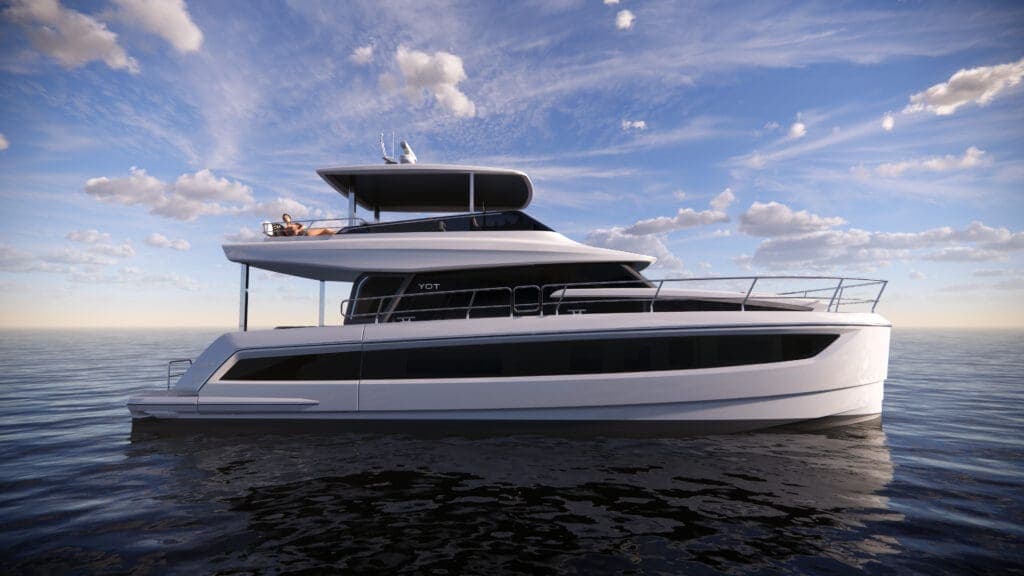
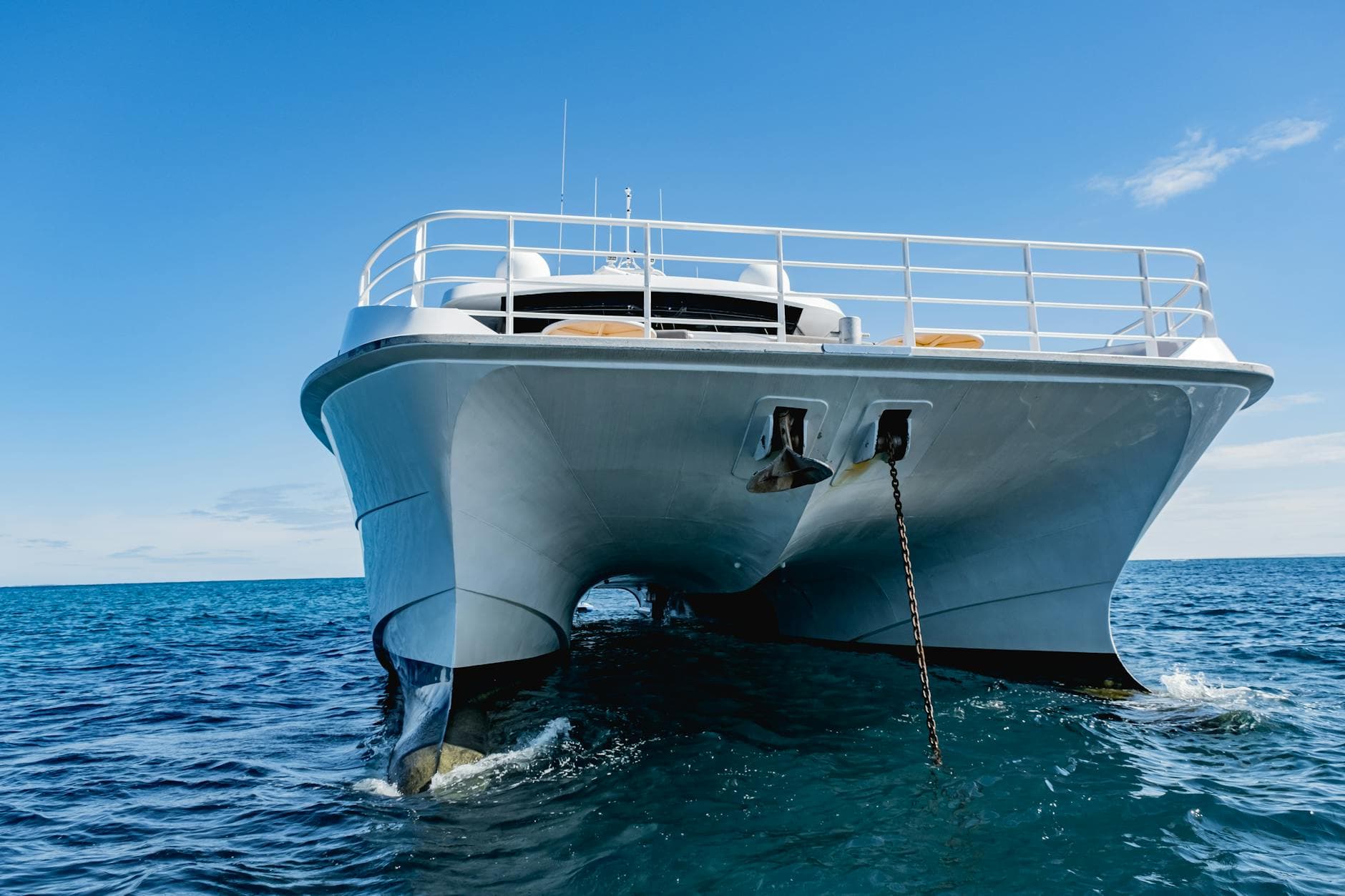
The other detail that should not be overlooked is the sail package. Cruising World’s sponsored coverage puts the upwind sail plan at 1,905 square feet and says the flybridge can seat up to 30 people. That is not a stripped-down electric concept boat. It is a large, social cruising platform with enough canvas and deck space to make sense under sail, under power, and at anchor.
A charter-first catamaran that happens to be electric
Island Spirit has been in the charter world long enough to understand what pays bills and what gets ignored. The brand says it was introduced to the U.S. and Caribbean charter market in 1998, and the company says the 525 was shaped around charter-industry requirements and partner feedback. That shows up in the layout options, which run from 3-cabin to 6-cabin versions, with optional forepeak cabins.
For operators, that flexibility is the real story. A 6-cabin configuration gives you the density charter fleets need, while the equal-sized cabins and fully ensuite heads and showers point to a guest-facing boat rather than a private-owner compromise. Current Yachts says the 6-cabin version under construction is 51.75 feet long, 26.92 feet wide, and arranged with 12 berths and 6 heads, which is exactly the sort of accommodation package that keeps a charter calendar full.
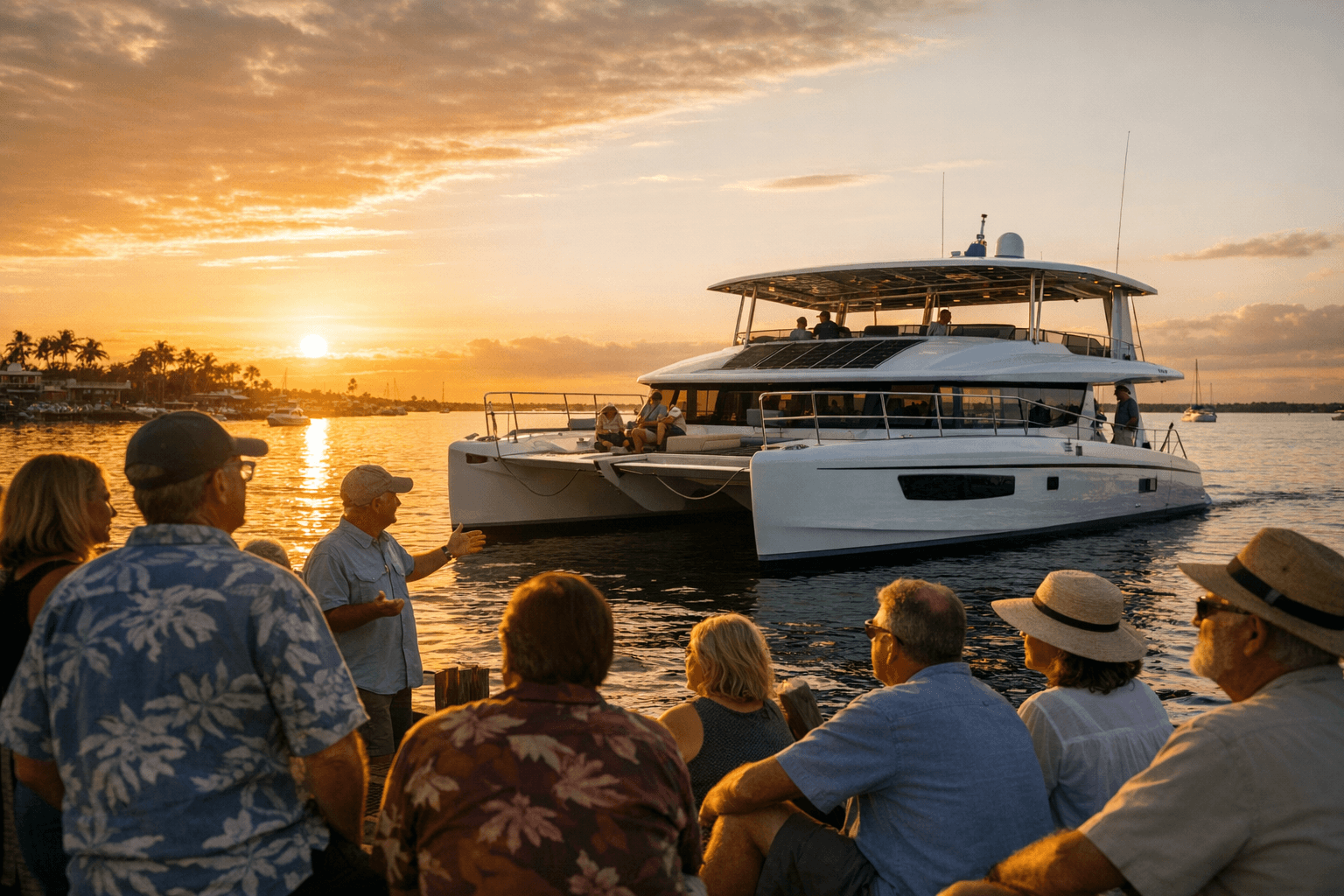
Island Spirit is also pushing the same logic into its commercial side. Group Island Spirit says it is transitioning its commercial tour catamaran offerings under the Austhai Marine brand to E-Drive systems. That is important because it shows the electric push is not confined to a single showcase yacht. It is being carried into the part of the business where daily use, uptime, and operating cost matter most.
Why this boat feels different from the usual green-sticker story
There are plenty of boats that talk about sustainability. Far fewer connect that language to actual use. The 525e does, and that is why it stands out. Quiet movement through marina basins, silent evening runs between anchorages, and low-noise charter days in places like the British Virgin Islands or Phuket all make immediate sense here.
The tradeoff, of course, is that electric propulsion asks for discipline. You are buying a system that rewards smart speed, strong charging habits, and a cruising profile built around longer stays and shorter repositioning legs. That is not a flaw if your life on the water is already shaped by island hopping, charter turnover, or coastal passages at moderate speeds. It becomes a compromise only if you expect the boat to behave like a fuel-burning passagemaker without changing your habits.
This is where the 525e feels like a market signal rather than a novelty. Cruising World’s 2026 Boat of the Year coverage says the official sea trials included a diverse, well-rounded roster of yachts, and the 525e sits inside that broader field instead of off to the side as an oddity. In April 2026, Beneteau and Fountaine Pajot also announced E-Lektra Marine to accelerate electric propulsion adoption across seven major brands, which confirms that Island Spirit is not alone in reading the room. The market is moving toward electrification because the numbers, the layouts, and the buyer use cases are finally lining up.
What the 525e tells buyers to expect next
The most useful thing about the Island Spirit 525e is not that it is electric. It is that it is electric in a way that still respects how catamarans are actually used. Hull #3 made its world debut at Annapolis, current Hull #6 is under construction with completion scheduled for summer 2026, and the model is being built out as a production program rather than a one-off proof of concept.
That is the point buyers should take away. Electric propulsion is good enough today for owners and operators who prize quiet running, lower local emissions, serious hotel loads, and a charter-friendly layout over nonstop high-speed passage making. In that lane, the 525e is not chasing the future. It is already showing what the next wave of cruising catamarans will look like: bigger, quieter, more self-sufficient, and far less dependent on the old assumption that diesel has to do everything.
This article was produced by Prism’s automated news system from verified source data, official records, and press releases, then run through automated quality and moderation checks before publishing. The system is built and supervised by the people who set the standards it runs under. Read our full AI policy.
Did this article answer your question?