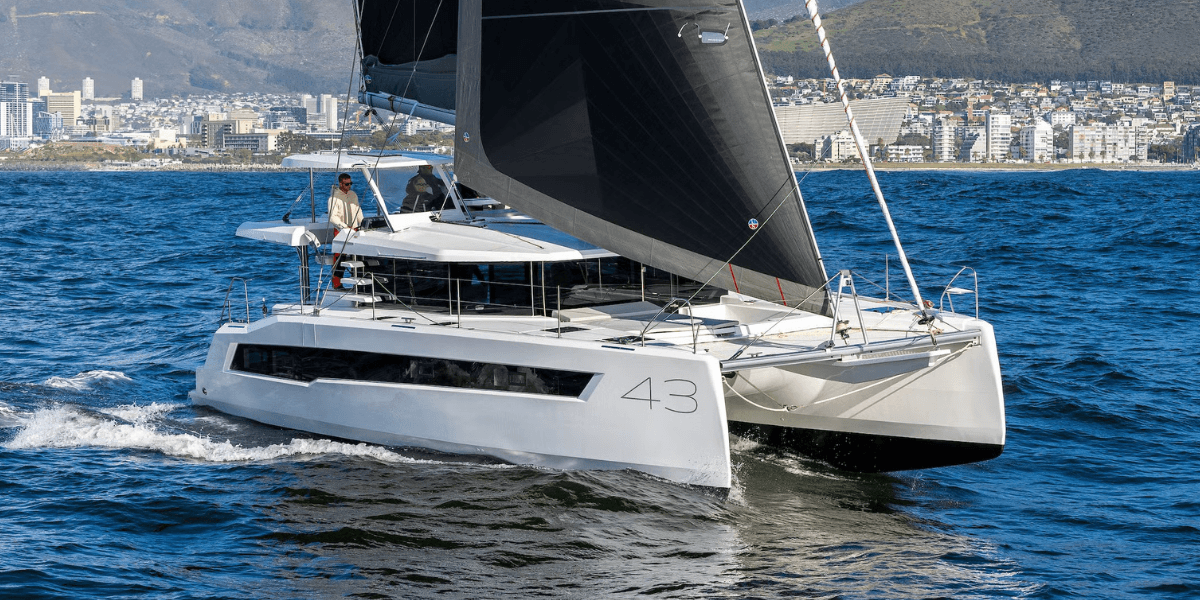
Multihull Buying Guide Weighs Catamaran Costs, Space and Resale Value
Multihulls buy you space, stability and strong resale, but the real test is whether your budget and cruising style fit the premium. The right boat depends on how you sail, not just how she looks at anchor.
The first decision is not catamaran or trimaran, it is budget
The smartest multihull purchase starts with a hard look at price, because the market rewards space and cruising comfort with a real premium. Cruising World’s 2023 Boat of the Year multihulls ran from just under $1 million to just over $2 million, while a Fountaine Pajot Tanna 47 was listed at $825,000 and a 23-year-old Leopard 47 still carried a $350,000 asking price. That spread says plenty: even older cats can command serious money, and the gap between new and used is wide enough to shape the entire ownership plan.
That is why the first conversation should be with a builder or broker who understands the market, not with a glossy brochure. If the boat is meant for occasional vacations, the numbers look very different than they do for a liveaboard couple planning offshore passages or a family thinking in seasons, not weekends. In multihulls, the budget question is never only about the sticker price. It is about how much boat, how much comfort and how much long-term flexibility you are actually buying.
Space is the headline feature, but it is also the trap
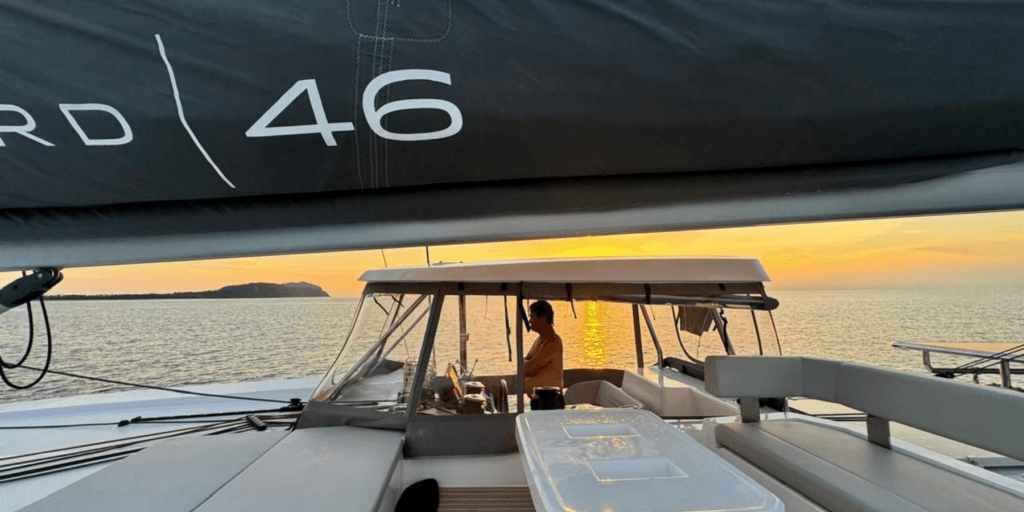
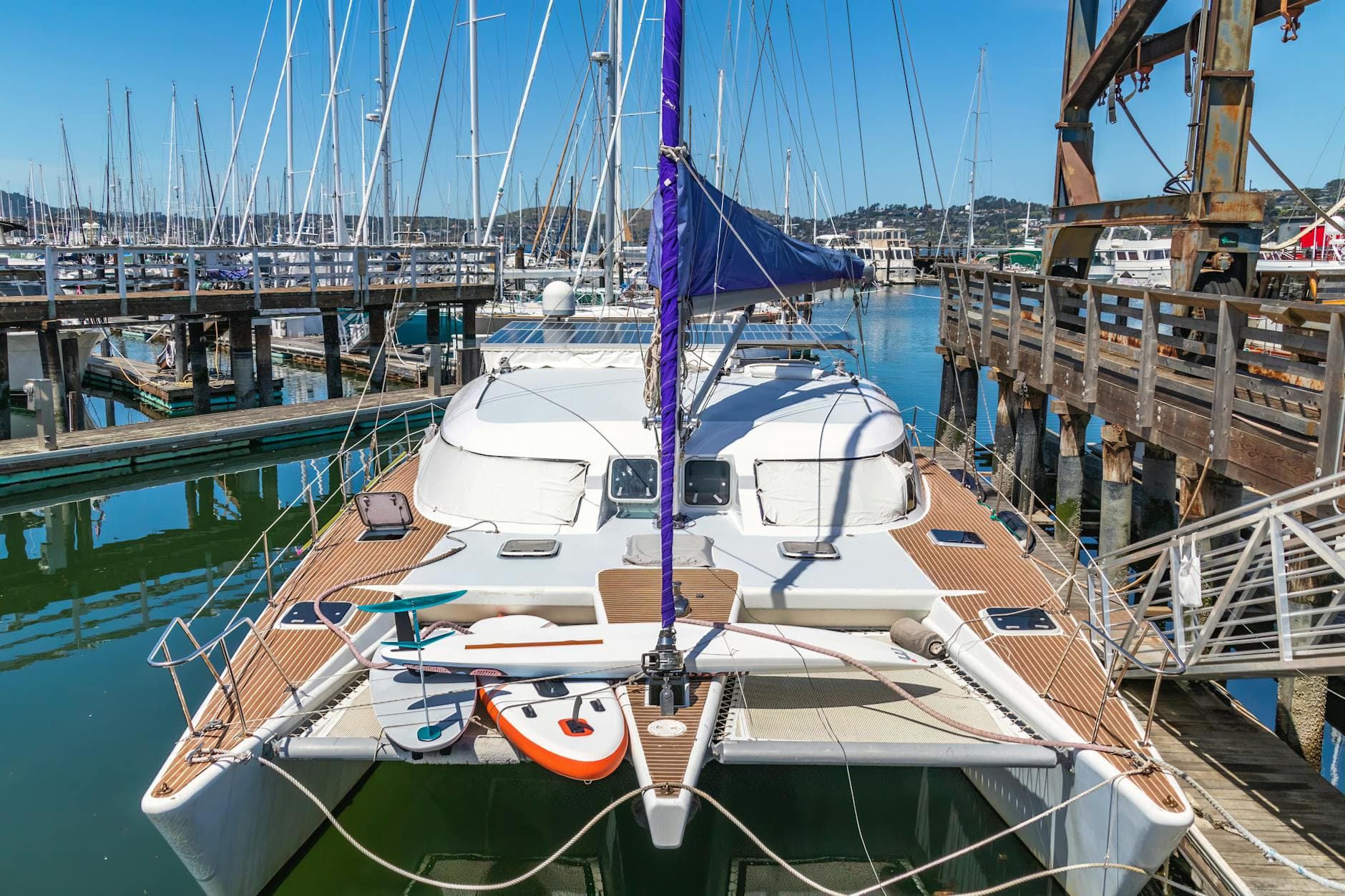
Multihulls win attention because they are stable, roomy and comfortable in a way that makes extended cruising feel almost self-contained. That extra volume matters in the real world: wide saloons, private cabins and a livable cockpit change daily life at anchor, especially in tropical cruising grounds where the boat becomes the destination. For sailors who have spent time in the tighter quarters of a monohull, that sense of breathing room is often the deciding factor.
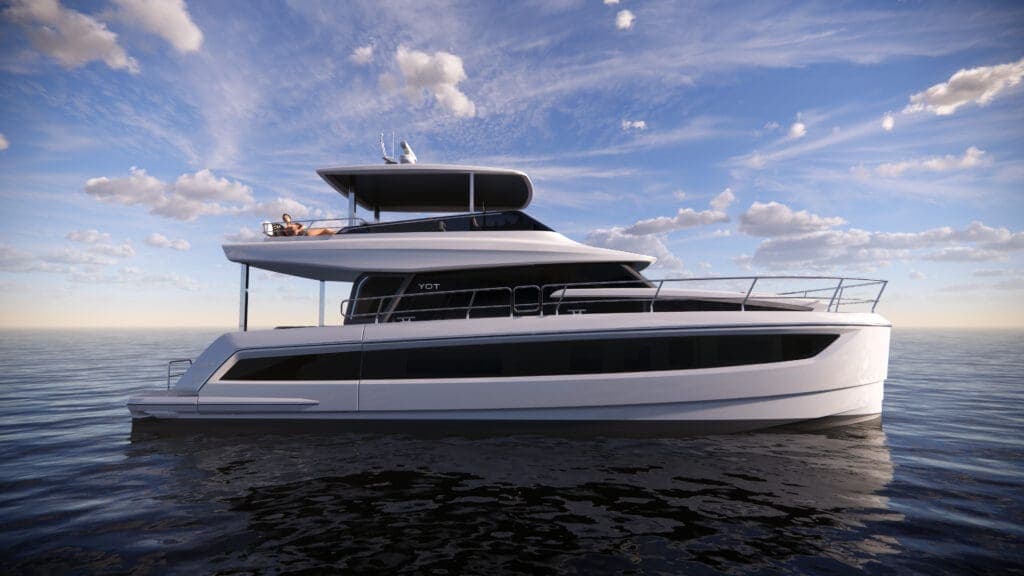
But space is not free, and it should not be mistaken for the only measure of value. A catamaran can make family cruising easier, give guests room to spread out and support longer stays aboard without feeling cramped. A trimaran can appeal to sailors who want multihull speed with a different deck and hull layout, while a monohull still makes sense for buyers who place simplicity, lower dockage exposure and a more traditional sailing feel ahead of raw volume.
Match the platform to the way you actually sail
The right answer changes with the buyer profile. A coastal weekender may not need the full liveaboard footprint that justifies a big catamaran purchase, especially if marina fees and berth width are part of the equation. A performance sailor may lean toward a trimaran or a more race-focused cat, where speed and light-air ability matter more than having the largest salon in the harbor.
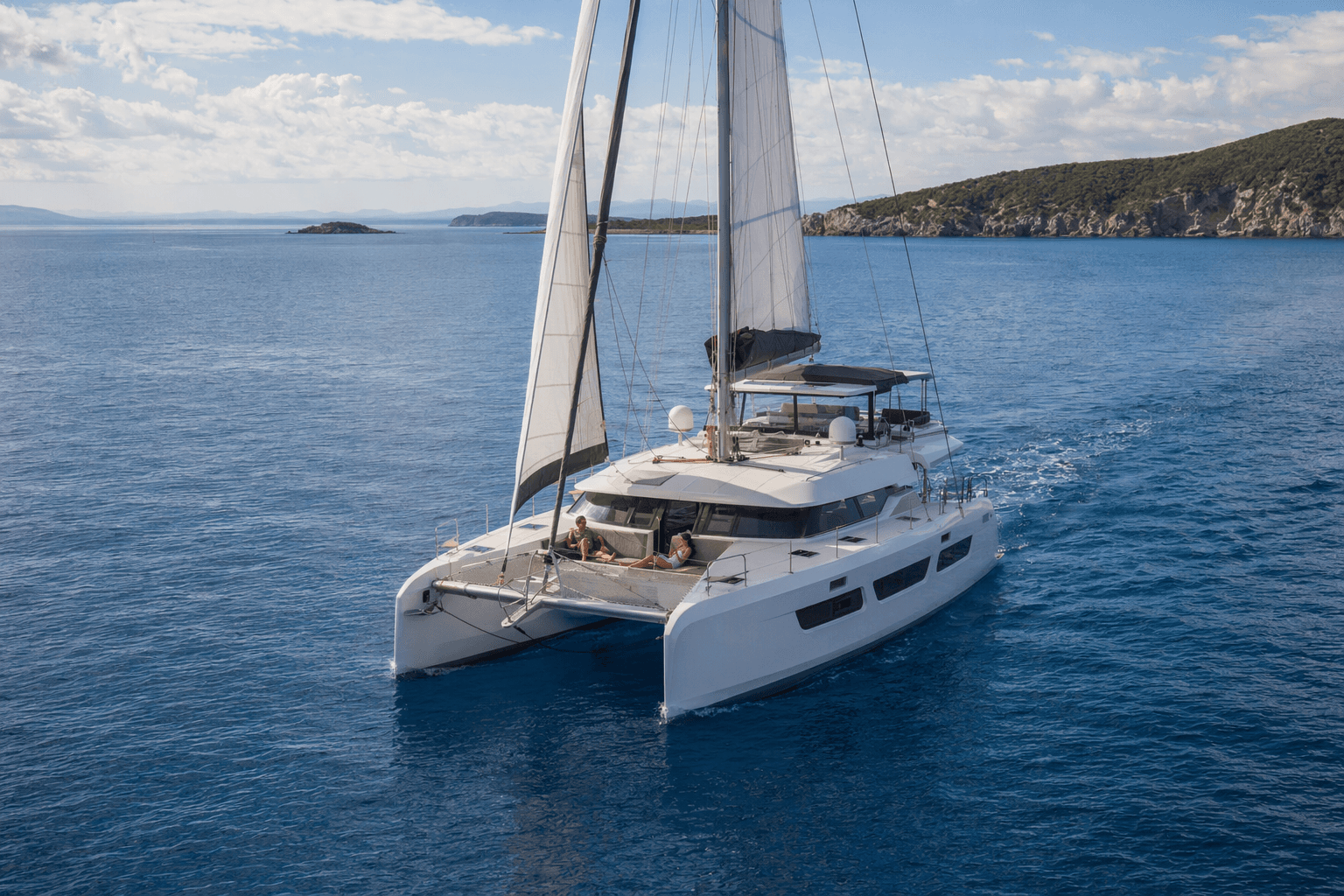
For a family cruiser, the catamaran case is especially strong. The stable platform, separated living spaces and easy social layout fit the way many crews actually cruise, with meals, storage and lounging all happening without everyone crowding the same narrow cabin sole. If the plan is extended time aboard, the extra square footage can be worth far more than the romance of a sleeker profile.
Handling and draft are where the real tradeoffs show up
The appeal of a multihull is obvious the first time you feel that flatter ride and the first time you slip into an anchorage that would frustrate a deeper-keel boat. Shallow draft opens doors in many cruising areas, and it is one reason multihulls remain so attractive for island hopping and coastal exploration. That said, the same beam that creates so much interior space can make marina life more complicated, which is exactly why the ownership conversation has to include dockage and not just displacement.
This is where monohulls still hold their ground. They offer a different handling style, a narrower footprint and a simpler fit in many marinas, even if they do not deliver the same salon space or level platform at anchor. For buyers who prize the sailing feel above all else, the extra livability of a catamaran may be less important than the more conventional motion and handling of a single-hull boat.
Resale value is one reason the segment keeps growing
Multihulls have a reputation for holding value well, and the brokerage numbers back that up. The Multihull Company says it sells 100 to 150 catamarans a year on average, at an average sales price of around $500,000, which helps explain why buyers often treat a cat as both a lifestyle purchase and a financial decision. Phil Berman founded the company in 1999, and that long run in the market reflects how durable the demand has become.
The resale story matters because it changes how owners think about entry price. A catamaran may cost more upfront than a comparable monohull, but strong demand can soften the long-term sting when it is time to move on. That is especially true in a market where used examples still command serious money and where buyers keep returning to the same core promise: space, stability and cruising comfort with recognizable market value.
Multihulls are now fully part of mainstream sailing
It is easy to think of cats as charter boats or cruising platforms, but the rulebooks tell a broader story. World Sailing’s Offshore Special Regulations cover both monohull and multihull yachts, and the 2026-2027 edition was published for the January 2026 to December 2027 period. The Royal Ocean Racing Club describes those rules as the uniform minimum equipment, accommodation and training standards for offshore racing, which reinforces the point that multihulls are not fringe craft.
That mainstream status was cemented for many sailors by the 34th America’s Cup in 2013, when catamarans, including the AC72 class, turned elite racing into a showcase for speed and technology. The image of the multihull changed fast after that, and the market has kept expanding. Current market research points to continued growth in the catamaran sector through the 2020s, which fits the reality on the docks: demand is coming from leisure buyers, charter operators and sailors who want offshore capability without giving up comfort.
The best choice is the one that fits your cruising life
The most useful way to compare catamarans, trimarans and monohulls is not by asking which one is best in the abstract. It is by asking which one matches your sailing life, your dockage budget and your tolerance for premium pricing. If you want the most room and the easiest liveaboard rhythm, a catamaran often makes the strongest case. If speed and a different kind of performance excite you, a trimaran deserves a close look. If lower entry cost, simpler berth options and a more traditional sail plan matter most, a monohull may still be the better fit.
That is the real lesson of the multihull market. The boats have become mainstream enough to carry strong resale, formal offshore standards and serious demand, but they still reward buyers who know exactly what they want to do with them.
This article was produced by Prism’s automated news system from verified source data, official records, and press releases, then run through automated quality and moderation checks before publishing. The system is built and supervised by the people who set the standards it runs under. Read our full AI policy.
Did this article answer your question?