Nicolas Marcillaud plans Arctic loop in minimalist 10-meter trimaran
Nicolas Marcillaud is betting a two-ton, engine-less trimaran can stitch both Arctic passages into one 9,000-mile loop. The payoff is a first-of-its-kind sail-only run.
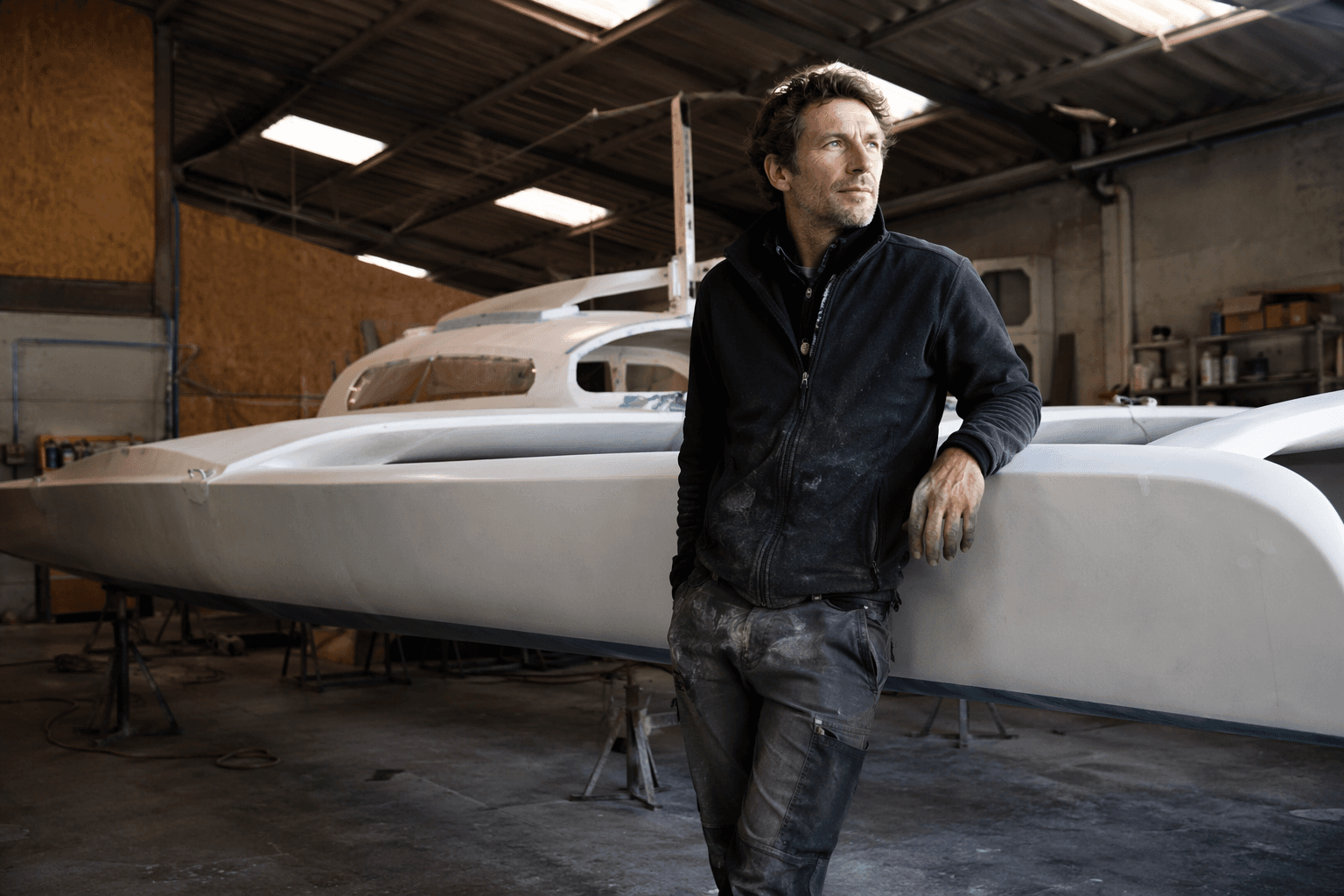
Nicolas Marcillaud is asking a 10-metre trimaran to do the kind of work most skippers would reserve for a much heavier boat with an engine and a deeper margin for error. The 31-year-old Sciences Po Paris graduate plans to link the Northwest Passage and the Northeast Passage in one Arctic season, a roughly 9,000-mile loop that would make him the first person to complete a pure-sail circumnavigation through the Northern Hemisphere.
That ambition makes sense only if the platform stays honest. Paradox, a 1997 trimaran, weighs about two tons and was kept deliberately minimalist through a refit in Hennebont, near Lorient, with as many components reused as possible. That is not just a budget decision. In polar work, light displacement and shallow draft can be real assets when the route is ruled by ice, fuel discipline and tight weather windows. A boat that carries less dead weight accelerates faster, motors less by design because it has no engine to carry, and asks less of the structure when the sea state turns ugly. The trade-off is just as clear: less storage, less comfort, and less room for sloppy watchkeeping when the boat is cold-soaked, wet and moving hard.
Marcillaud’s project, called Passer par le nord, is being staged like a proper test campaign rather than a one-shot stunt. A first solo trial voyage toward northern Greenland is planned for this summer, with the main departure described as early July 2026, before a return to finish the polar circumnavigation in 2027. The fundraising page attached to the project puts the numbers in plain sailing terms, with €200 financing 10 nautical miles of the voyage and supporters invited to the departure platform in June 2027.
Marcillaud is not coming at this cold. He has already sailed in Greenland, Svalbard, Antarctica and Norway, and he works in Paris as the founder of Toolbox Studio. That background matters because Arctic success is rarely about bravado. It is about cold-weather prep that keeps the crew functioning, storage that forces ruthless packing, and watch systems that hold up when fatigue starts to erode judgment. On a trimaran, motion at sea can be lively even in benign conditions; in ice country, that liveliness becomes a liability if the crew cannot sleep, stow gear cleanly or move safely across a deck made hostile by spray and frost.
The precedent is sobering. Multihulls have been pushed into Arctic waters before, and not always successfully. Jamcat had to turn back in 2022 when the ice charts and late-winter conditions shut the door, and Sébastien Roubinet’s Nagalaqa expedition showed how quickly the Arctic can force a change of plan. Marcillaud’s 10-metre trimaran has the right virtues for the job, but the same lightness that makes Paradox attractive is what leaves no hiding place when the passages close and the ice starts writing the rules.
This article was produced by Prism’s automated news system from verified source data, official records, and press releases, then run through automated quality and moderation checks before publishing. The system is built and supervised by the people who set the standards it runs under. Read our full AI policy.
Did this article answer your question?