South Africa’s catamaran exporters face U.S. tariff shock and fading demand
Tariff swings jolted a $298 million catamaran trade built on exports, leaving buyers facing higher prices, slower decisions and a shakier U.S. market.
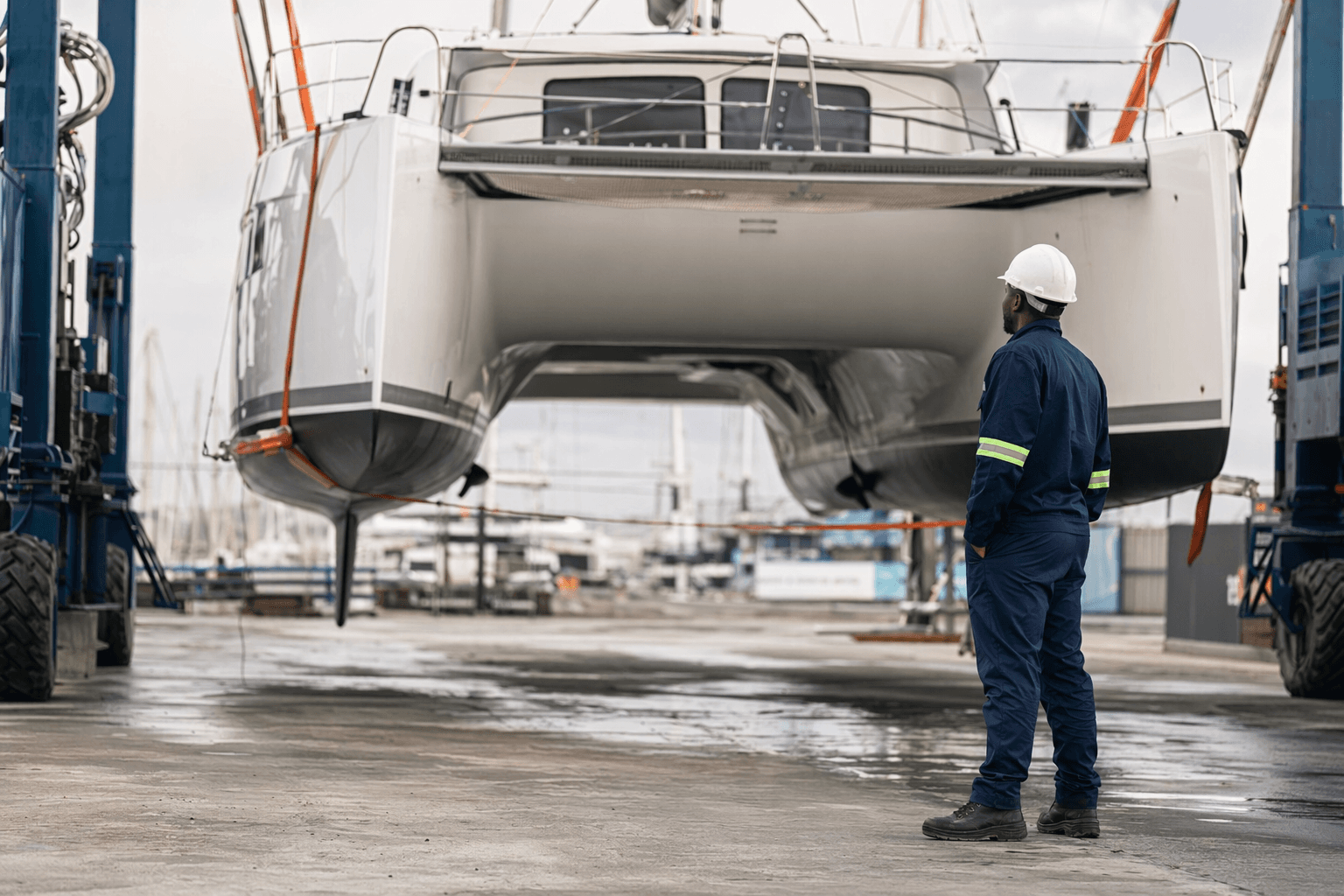
A tariff shock has hit South Africa’s luxury catamaran builders where it hurts most: in the American order book. The sector is a roughly $298 million business that sends about 90 percent of its boats abroad, and when U.S. duties jumped, the result was not just higher landed costs but a freeze in buyer confidence that reached all the way into pricing, delivery timing and financing decisions.
The United States once took in about half of South Africa’s luxury boat exports, but tariff swings in 2025, ranging from 10 percent to 30 percent, unsettled that market fast. Even after the U.S. Supreme Court ruled the duties illegal in early 2026, the hesitation did not disappear. For export-built cats, that lag matters as much as the tariff itself: owners weighing a custom build now have to think about whether the quote will still hold, whether delivery will slip, and how the boat will be valued if the market stays jumpy.
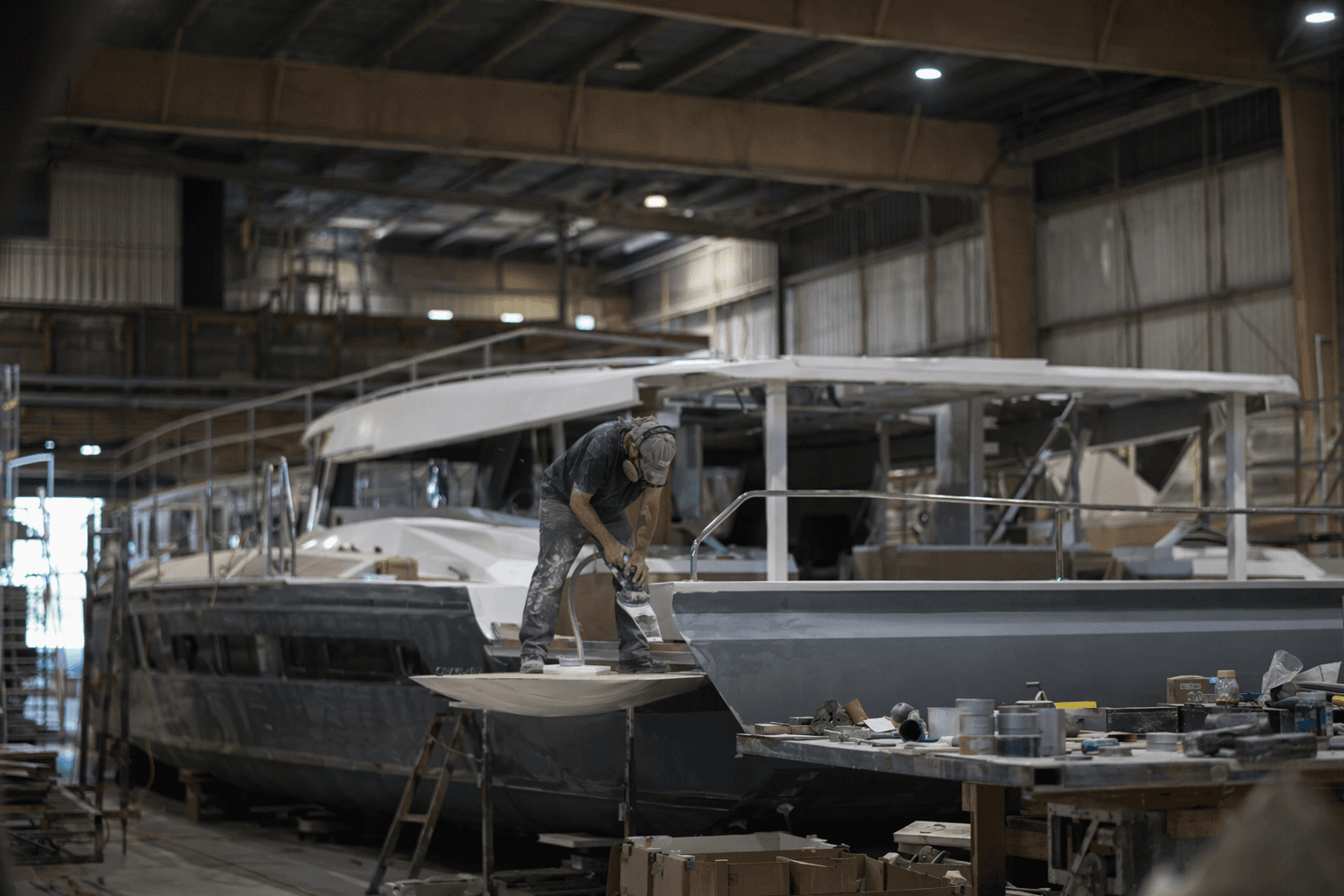
Kevin Knight of Knight Yachts said the tariff situation created “chaos and uncertainty,” and his yard has leaned harder into Europe, where demand for renewable-energy technology is rising. Co-owner Allan Knight pointed to battery and systems advances as a driver of that eco-friendly market. Robert Cook, an electrical specialist, said order volume had fallen by roughly 40 percent, even as yards kept building and some businesses buffered the blow by diversifying into other sectors.
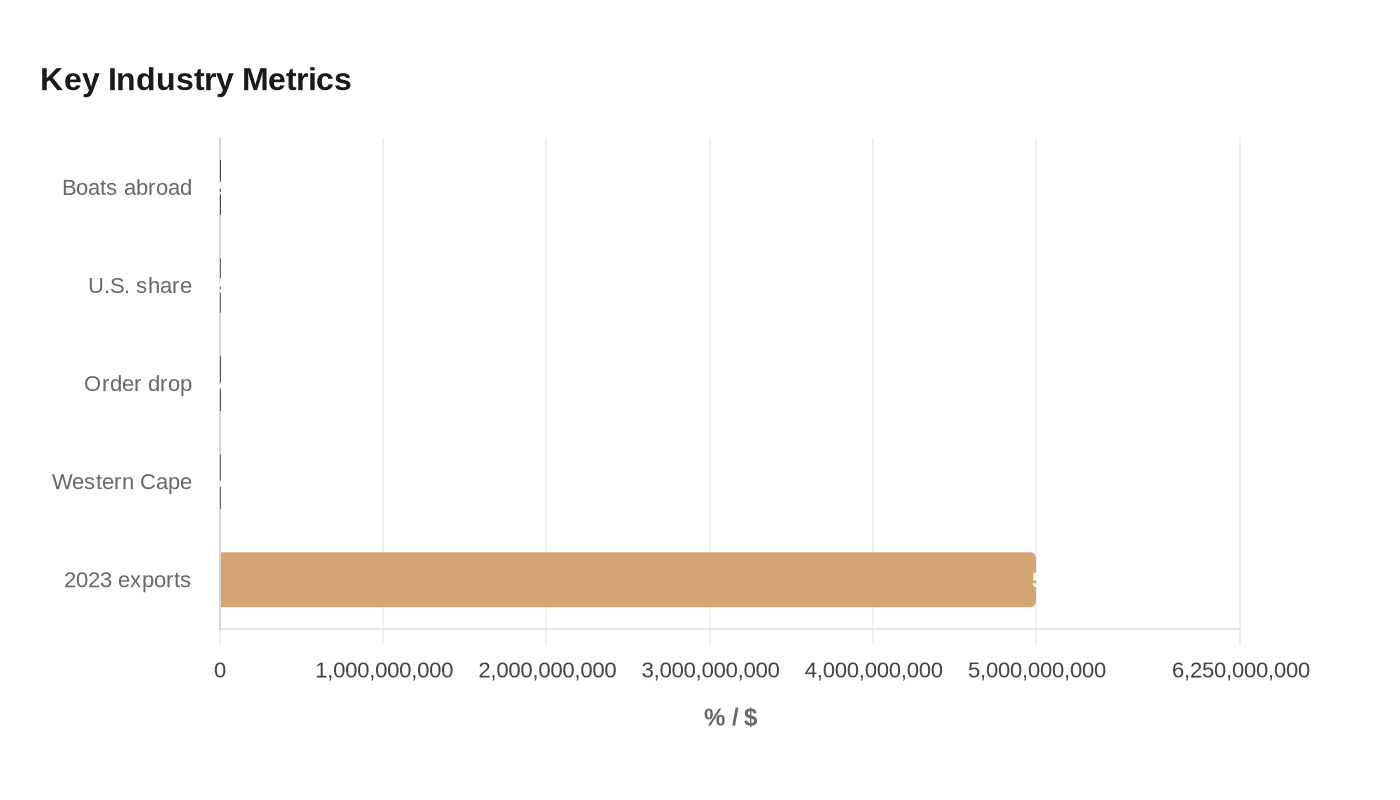
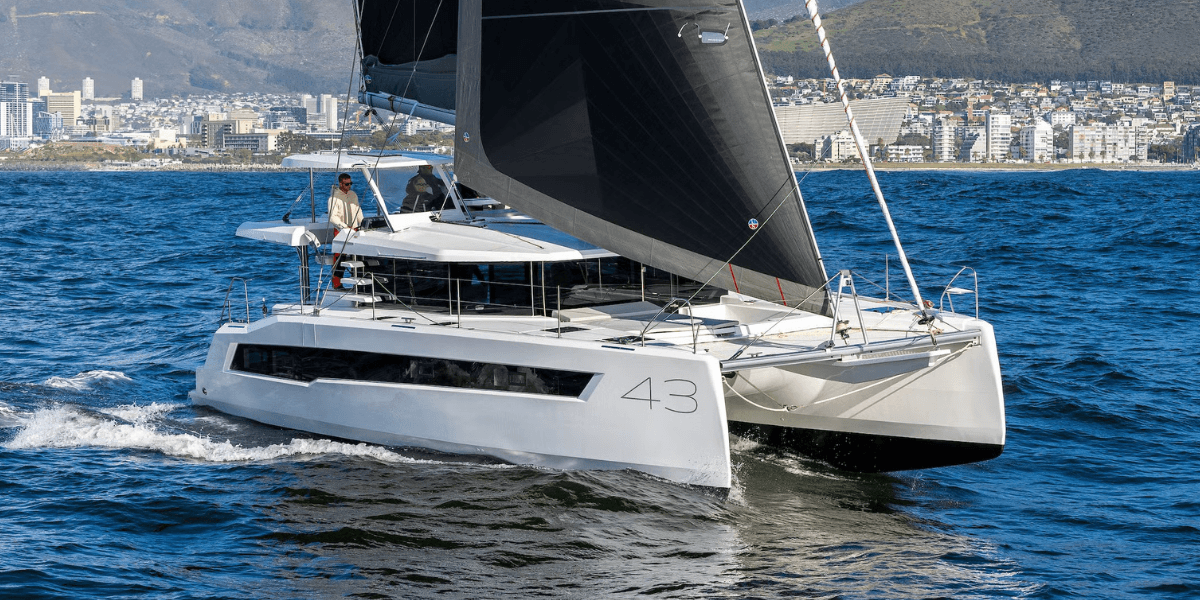
South African builders are still carrying serious weight in the global catamaran scene. The country produces around 275 luxury craft a year and is widely described as the world’s second-largest leisure sailing catamaran builder after France. Vanessa Davidson of the South African Boat Builders Export Council says durability and quality remain the industry’s strongest selling points, a reputation built in the Western Cape, where roughly 45 percent of the country’s boat builders are based. Cape Town’s boatbuilding sector was already reported to be growing at an annual average rate above 22 percent and to have reached nearly R5 billion in exports in 2023.
That strength is why the tariff fight has cut so deeply. SABBEX has lobbied for boatbuilding to be added to a tariff-exempt list and has warned that U.S. components are a vital part of local manufacturing, making the supply chain tightly interdependent. In March 2025, the group said local stakeholders were not “counting their hulls before they’re hatched.” Hammer Yachts has even begun partly shifting outfitting work to the United States on a trial basis to reduce exposure. The message for anyone shopping a South African-built cat is blunt: this market still builds world-class boats, but in the U.S., the price of waiting has become part of the deal.
This article was produced by Prism’s automated news system from verified source data, official records, and press releases, then run through automated quality and moderation checks before publishing. The system is built and supervised by the people who set the standards it runs under. Read our full AI policy.
Did this article answer your question?