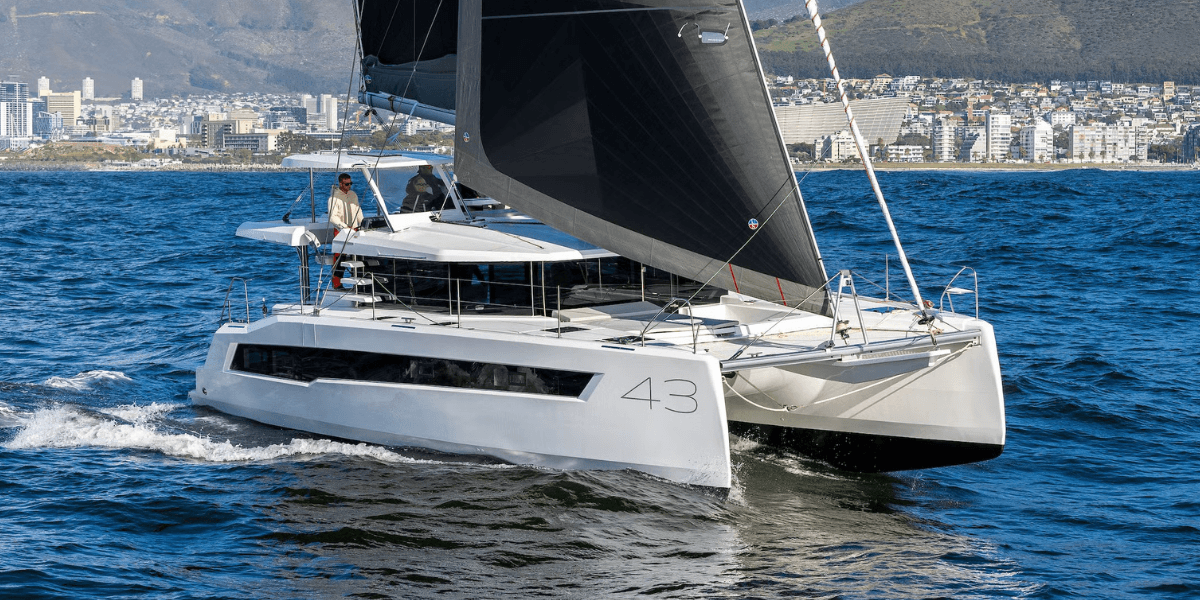
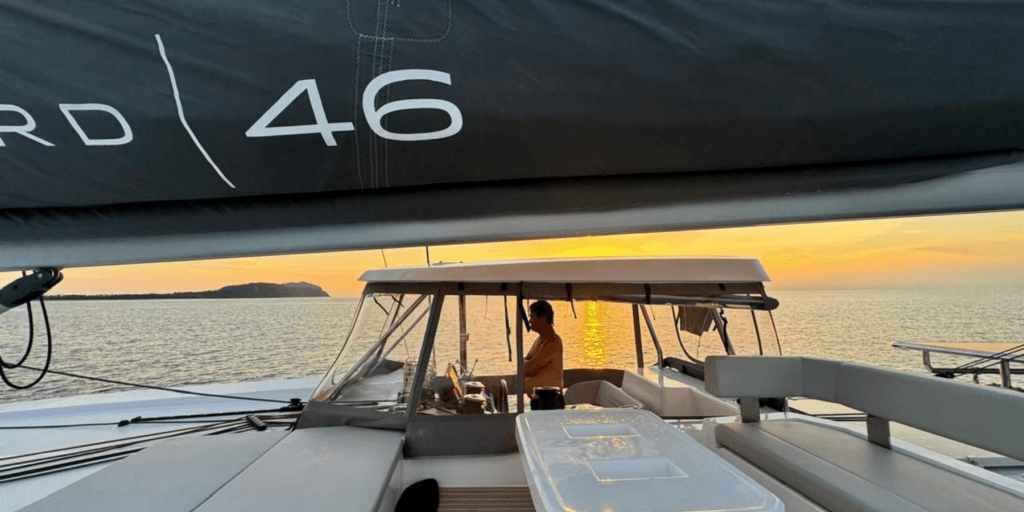
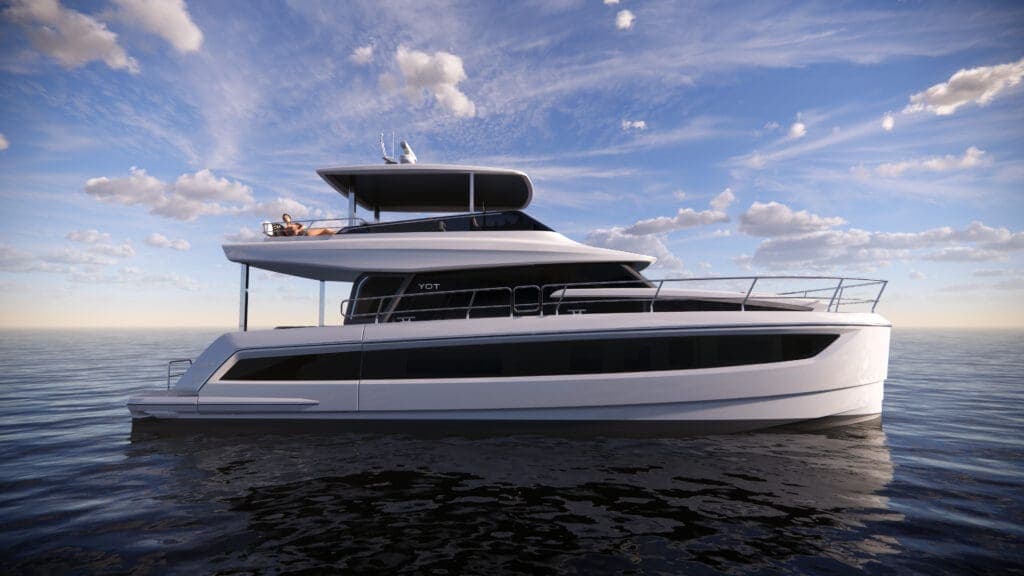
Mediterranean charter guide crowns catamarans for family sailing trips
Catamarans still look like the easy win for Mediterranean family charters, but the real reason is practical: more room, steadier days, and less compromise at anchor.
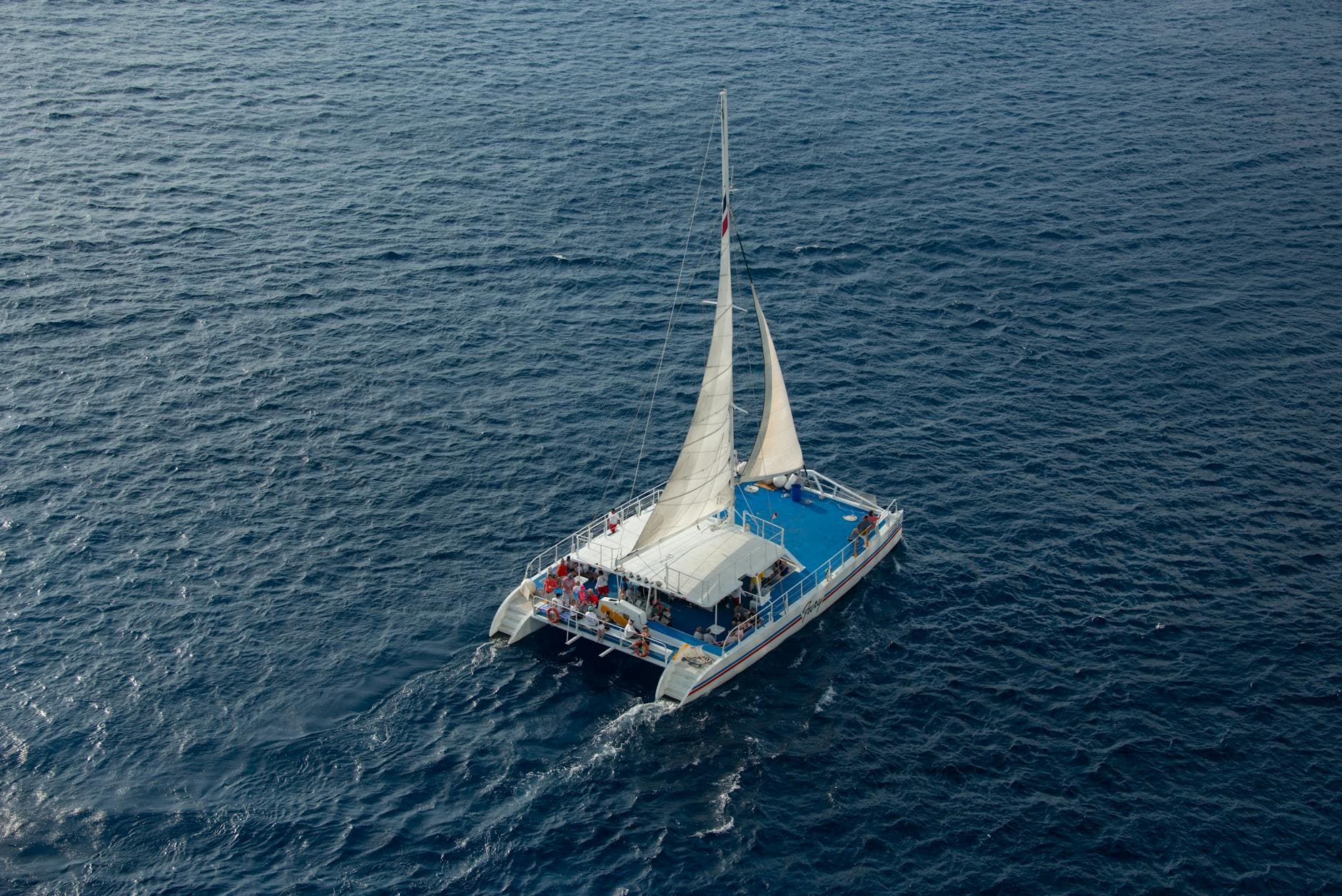
Why the catamaran keeps winning family charters
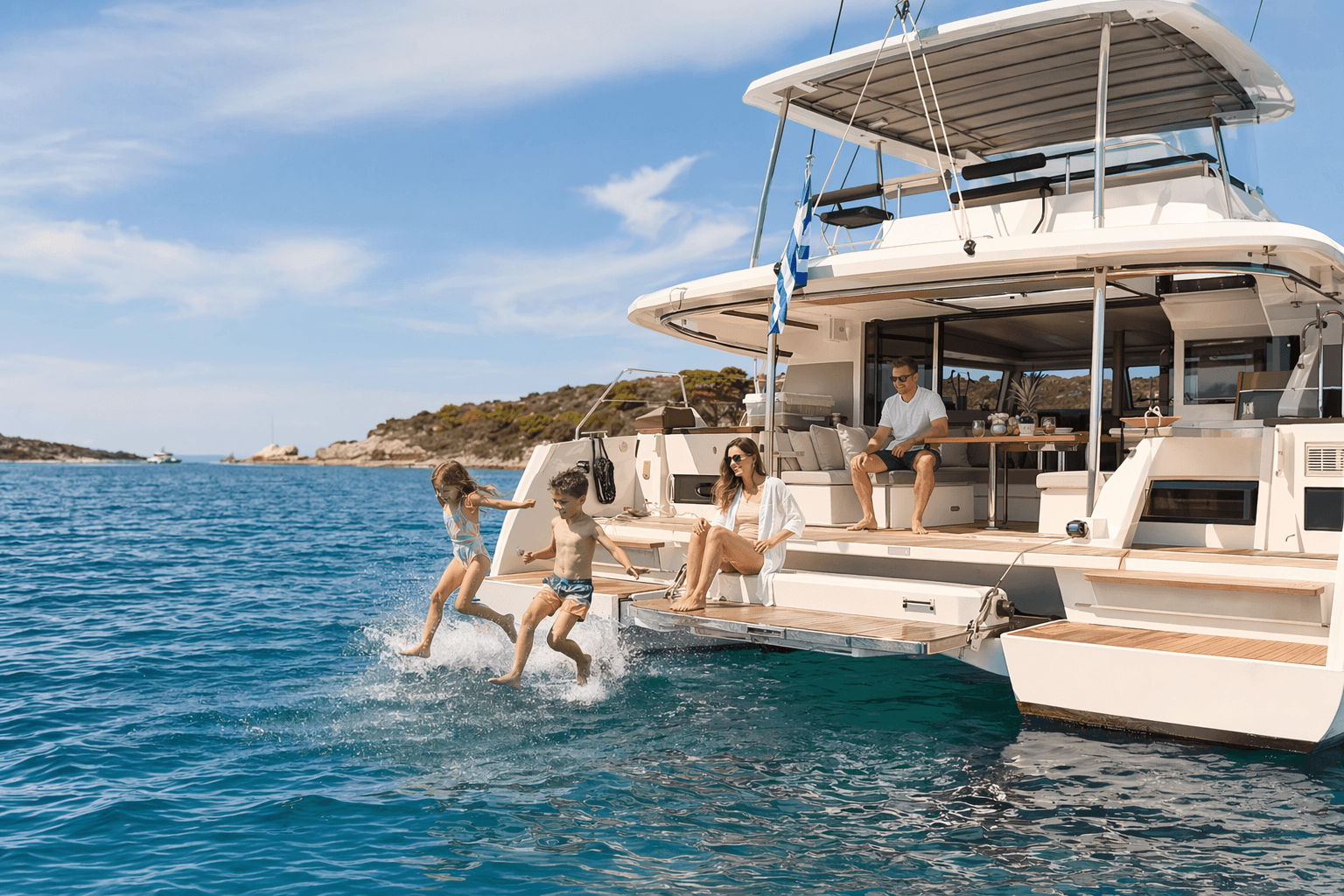
The latest Mediterranean charter guide makes a blunt case: if you are sailing with kids, cousins, or another family, the catamaran usually earns the berth. It is not just about looking spacious in a brochure, either. The pitch is rooted in the way people actually holiday in the Med, with short hops, scenic coastlines, island chains, beach stops and long lunches built into the itinerary.
That matters because chartering is fundamentally about control. You choose the route, decide where to anchor, mix sailing with snorkeling or sightseeing, and move on when the bay loses its magic. The guide’s point is simple: a catamaran fits that style better than a hotel-on-the-water fantasy that leaves you boxed into a fixed base.
Space and stability are the real selling points
On the factors that vacation crews care about most, the catamaran wins by being the easier boat to live on. The guide repeatedly frames it as the king of family and group trips because it gives you more room, more stability and a calmer onboard rhythm. That combination is what makes the difference between a week that feels like a holiday and one that feels like everybody is always stepping around everybody else.
For parents, the appeal is obvious. Children can spread out without turning every cabin into a game of human Tetris, and adults get a social platform that works for meals, shade, naps and the usual end-of-day regrouping. In practical charter terms, the extra hull is not a luxury gimmick. It is what lets the whole boat function as one shared living space instead of a series of narrow compromises.
The monohull still has a job to do
The guide does not dismiss the monohull, and that is where it feels honest. If you want the more traditional sailing experience, the monohull is still the boat that puts you closest to wind, current and the sea’s timing. That makes it especially appealing in island chains such as Greece or Croatia, where the point of the trip is as much the sailing as the swimming.
What the monohull gives up in volume, it gives back in feel. It is the better fit when your crew wants to sense the heel, the motion and the rhythm of a proper sail day, not just cruise from one scenic stop to the next. If the brief is “sail first, holiday second,” the monohull still has a strong case. If the brief is “keep everyone happy from breakfast to bedtime,” the catamaran pulls ahead fast.
Where the catamaran makes the most sense
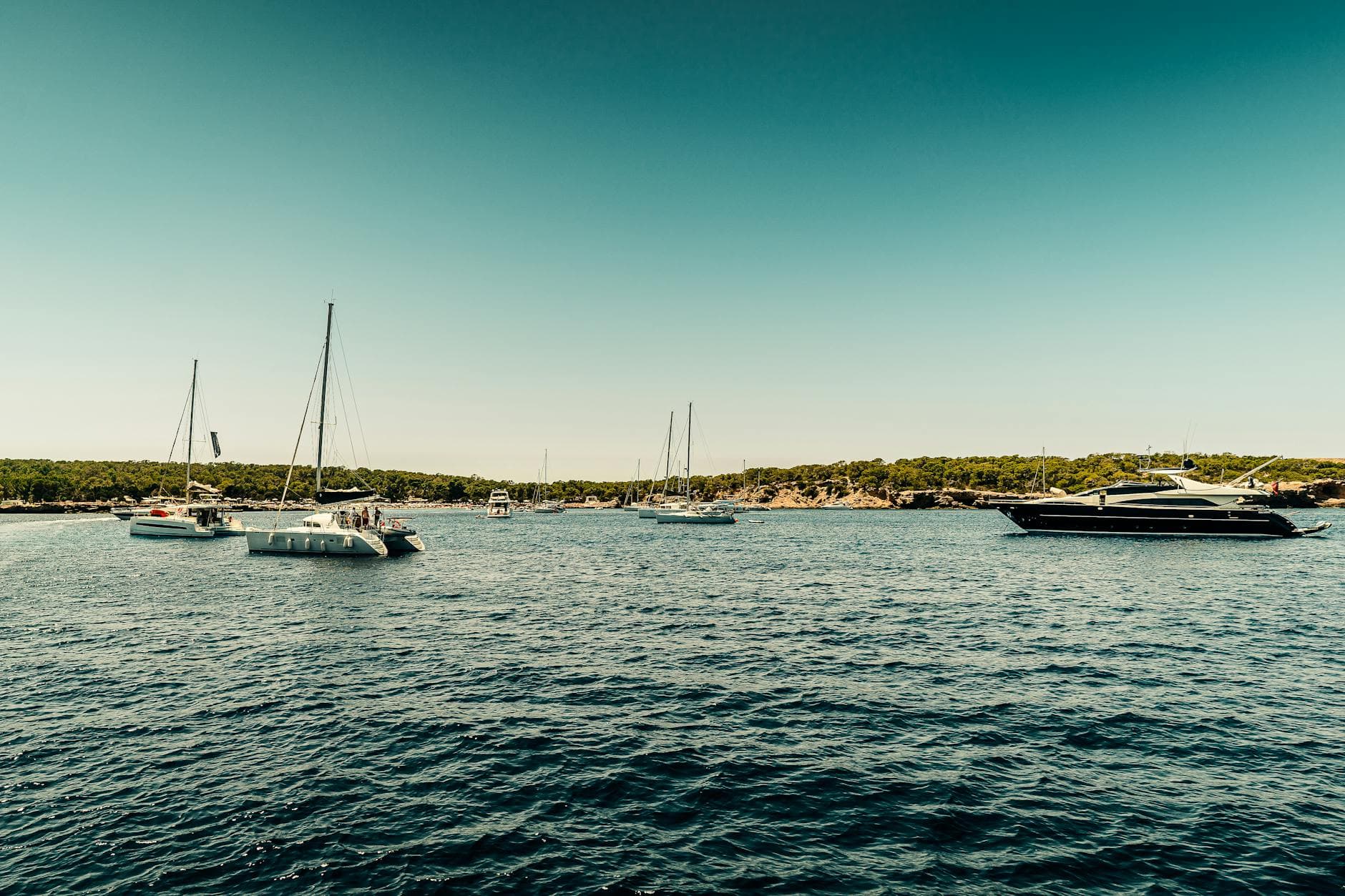
The Mediterranean is not one uniform charter ground, and the guide leans hard on that fact. It points to the Balearic Islands, Sardinia and Corsica as places where protected waters and shorter legs between anchorages suit relaxed multihull cruising. Those are exactly the kind of cruising grounds where the catamaran’s comfort-first layout feels like a smart match rather than an indulgence.
Greece reinforces the argument. Visit Greece highlights naturally protected bays, inaccessible beaches and very clear water, which is exactly the kind of sailing backdrop that makes a charter feel personal rather than packaged. It also calls out the Saronic Gulf and the Sporades as calmer sailing areas, with weaker winds in the Saronic Gulf than the Aegean and sheltered anchorages and safe waters in the Sporades.
- choose a catamaran when the trip is about relaxed island-hopping, beach access and mixed-age crews
- choose a monohull when the group wants a more hands-on sailing feel and is happy to trade away cabin volume
- focus on sheltered cruising areas when comfort matters more than mileage
The practical takeaway is easy to apply:
The value question is bigger than the sticker price
The catamaran usually costs more than a monohull, but the guide’s larger argument is that the extra spend can buy better trip value. More space means less friction. More stability means fewer miserable hours at anchor. A calmer onboard setup means you spend less time managing the boat and more time actually using the boat, which is what vacation crews are paying for in the first place.
That value equation fits the structure of the Mediterranean charter market. An EU maritime spatial planning policy brief says about 70% of worldwide charter contracts are for the Mediterranean, and 56% of those are in the western Mediterranean. It also says around 95% of leisure boats in the region measure less than 24 metres, and that 50% of the global fleet of large yachts spends eight of every 12 months in Mediterranean waters.
Those numbers explain why the market keeps leaning toward easy, social cruising. Charter demand is concentrated, the fleet is heavily oriented toward compact leisure boats, and the season is well established, generally running from April to the end of October. In that environment, the catamaran’s comfort premium starts to look less like a splurge and more like the default answer for family travel.
A market built around comfort-first cruising
The booking landscape backs that up too. One Mediterranean catamaran charter marketplace says it has 4,431 catamarans available and advertises rates from about $799 per week. That is not a niche corner of the market anymore; it is a full-blown inventory engine built around the kind of holiday the guide is describing.
Industry structure matters as well. MYBA, the worldwide professional organisation founded in 1984 by prominent yacht brokers, exists to promote professionalism and ethics in yachting, and its 36th Charter Show is scheduled for April 27 to 30, 2026, at PortoSole Marina in Sanremo. When the industry is curating inventory, standards and broker relationships at that level, it is another sign that chartering in the Med is a serious, organized business, not just a summer whim.
In the end, the guide’s verdict is less about fashion than fit. The Mediterranean already lends itself to short passages, good anchorages and days built around family life, and the catamaran turns those conditions into something easy to enjoy. If the holiday is supposed to feel calm, social and spacious, the two-hull answer is still the one that comes closest to comfort without losing the charter spirit.
This article was produced by Prism’s automated news system from verified source data, official records, and press releases, then run through automated quality and moderation checks before publishing. The system is built and supervised by the people who set the standards it runs under. Read our full AI policy.
Did this article answer your question?