Sunreef explains why sailing catamarans offer stability and space
Sunreef’s explainer makes the catamaran choice about livability: more space, steadier cruising, and shallower draft, but also a wider footprint that complicates marina life.
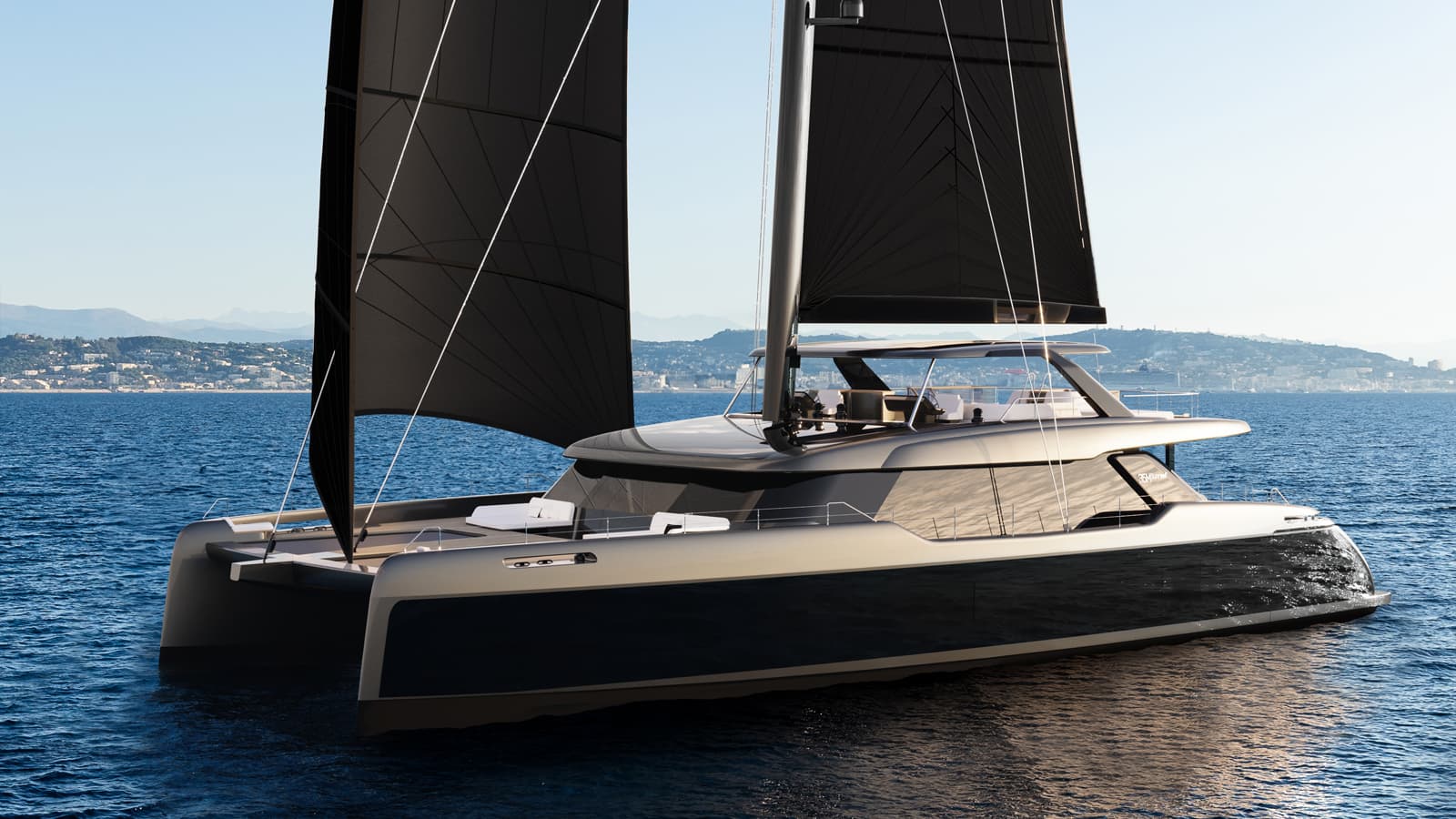
A catamaran’s wide beam gives buyers three things they feel immediately: space, stability, and shallow draft. The real buying question is whether you want a boat that behaves like a floating home or one that makes marina life and berth hunting easier. The catch is just as clear, because the same wide platform that makes life comfortable also asks more from the dock, the slip, and the way you load and balance the boat.
Space, privacy, and the way the boat lives
Sunreef places the sailing catamaran inside its eco-insights section and frames the platform as a cruising base that can also take renewable energy integration, battery storage, and other energy-efficient design choices. That is exactly why catamarans keep pulling in family cruisers, charter guests, and owners who want real outdoor living space instead of a compromise cabin plan.
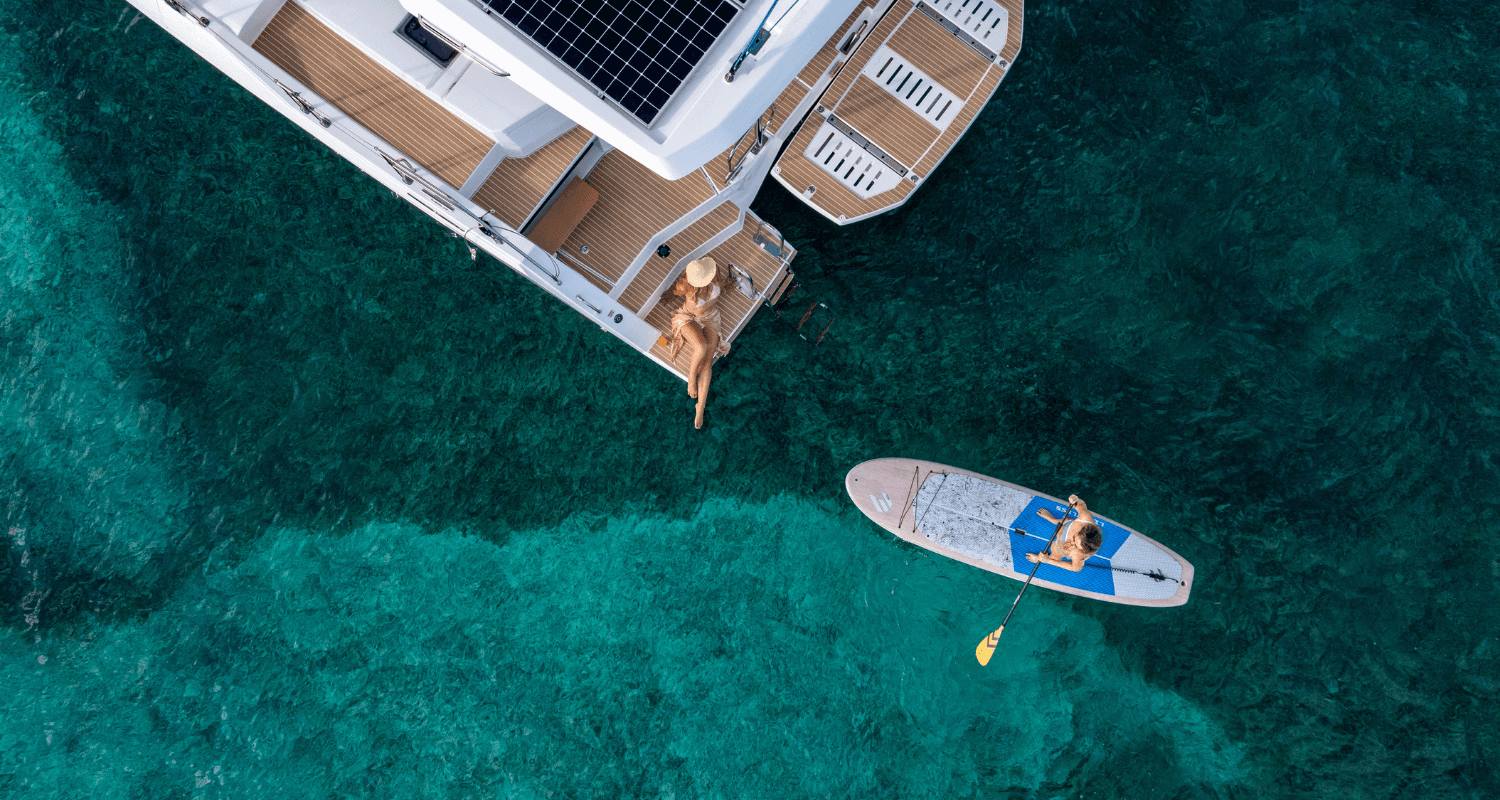
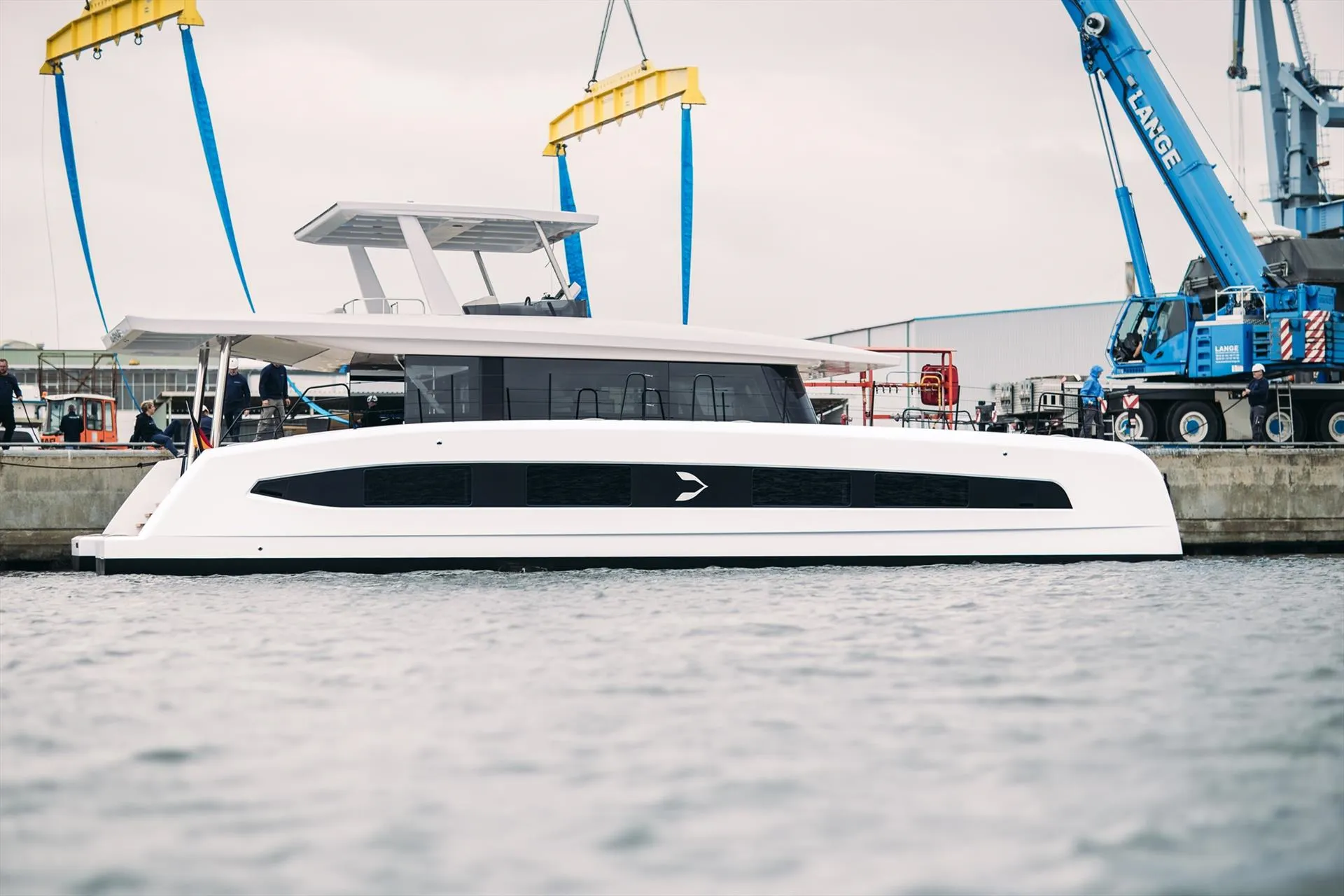
A catamaran is a multihull vessel with two parallel hulls joined by a deck or bridging structure, and that wide beam creates a broad deck layout with more separation between living areas. In practice, that is the difference between a boat that feels cramped when everyone is aboard and one that can spread people out across the platform without the constant traffic jam you get on many monohulls.
The living-space argument is also about anchoring. A catamaran’s shallow draught can open up anchorages a comparable monohull cannot reach, and that expands where the boat can actually spend time.
Stability is the headline, but comfort is the payoff
The wide beam is the catamaran’s most obvious virtue. The wider stance improves initial stability and deck space, while the twin-hull layout also reduces heeling compared with a comparable monohull. Catamarans are twin-hulled boats used for sport and recreation, which is why the platform has become so familiar in charter fleets and family cruising.
That stability changes how the boat feels from the first hour aboard. At anchor, the boat sits level enough that moving around the saloon and deck is less tiring, and that matters if you are spending long stretches aboard rather than just making weekend hops.
Sunreef pairs the catamaran with greener onboard systems. A stable, spacious platform gives you more room for solar, batteries, and other equipment without turning the boat into a cramped retrofit.
The trade-offs show up at the dock
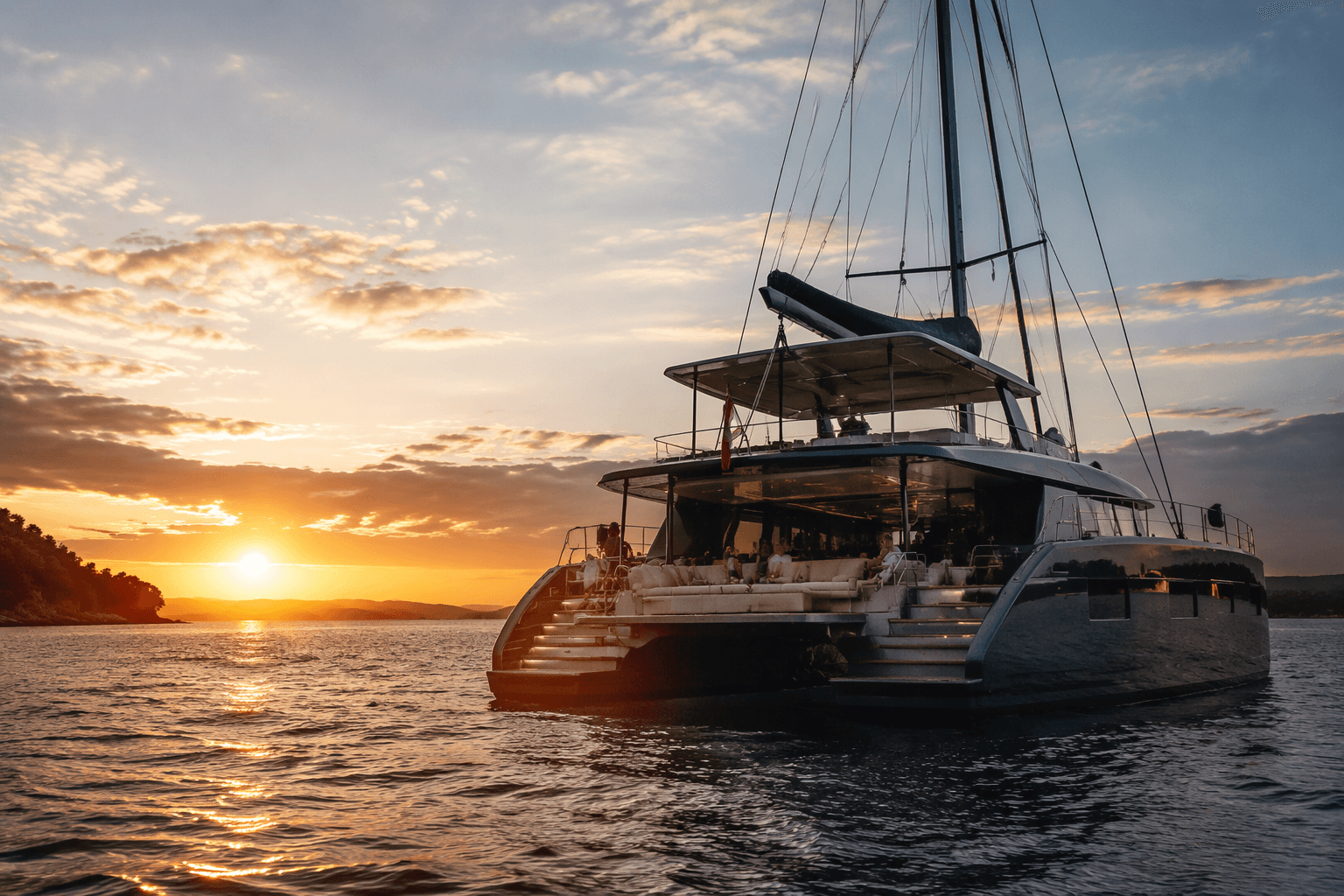
The same features that make a catamaran appealing also explain why it is not the automatic answer for every sailor. Catamarans often demand more beam, more berth space, and a purchase decision that pays close attention to weight control, sail plan balance, and intended use. That is the part many first-time buyers underestimate.
More beam means more marina hassle, especially if you move around a lot or rely on tight slips. A catamaran can make perfect sense for an owner who anchors out, cruises with family, or keeps the boat in a berth sized for multihulls. It makes less sense if you want the simplest possible marina logistics or if your sailing life revolves around places where slip width is tight and maneuvering room is limited.
The handling conversation is not about saying one boat is easier and the other is harder in the abstract. It is about matching the boat to the use case. If you care most about liveaboard comfort, privacy, and the ability to fit more systems into a stable platform, the catamaran’s compromises are usually acceptable. If your priorities are compact docking and a narrower footprint, the monohull still has a practical edge.
The design has older roots than the modern cruising boom
Catamarans trace back to the 1870s. James Wharram pushed the idea forward in a different direction when he designed his first offshore cruising catamaran, the 23' 6" Tangaroa, in 1953, before the word catamaran was even in common use.
Wharram’s company lists its early designs, later known as the Classic Designs, as drawn between 1957 and 1976, and nine are still available. The range runs from the 16ft Maui to the 51ft Tehini, and the company describes those boats as beautiful, safe, easy to build, and easy to sail; Wharram’s work tied modern multihulls to Polynesian double canoes and to a long, practical offshore lineage.
This article was produced by Prism’s automated news system from verified source data, official records, and press releases, then run through automated quality and moderation checks before publishing. The system is built and supervised by the people who set the standards it runs under. Read our full AI policy.
Did this article answer your question?