TAG Boats brings offshore fishing catamarans to Charleston
TAG Boats is betting Charleston anglers want a cat that fishes like a weapon and rides like a softer offshore platform. Its 36-footer is built for that gap.

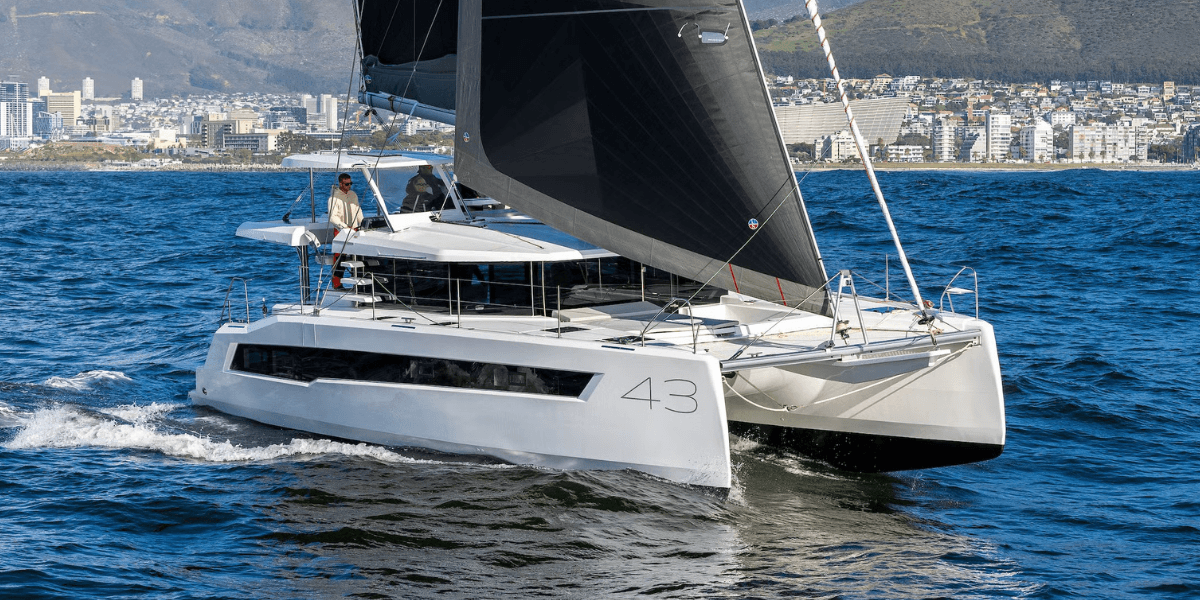
TAG Boats is trying to solve a very specific offshore problem: how to get catamaran stability, big-deck fishing space, and a softer ride for long runs out of Charleston without giving up the comforts people now expect in a serious boat. The company is already building 36-foot offshore fishing catamarans, with a 43-footer in the design concept phase, and that alone tells you what kind of buyer this is aimed at: the angler who wants one boat that can run hard, stand still cleanly at the wreck, and still feel civilized when the day turns into a family outing.
A fishing cat for people who actually fish offshore
TAG is not selling a generic multihull lifestyle. The whole pitch is rooted in hard offshore use, where stability and usable deck space matter as much as speed. That is the appeal of a purpose-built fishing cat over a monohull: less roll at rest, a wider working platform, and a layout that lets two or three people move around without constantly stepping on each other. For anglers who spend long days on open water, that matters more than brochure talk about top-end numbers.
It also explains why a fishing cat is different from a cruising cat. A cruising cat can be comfortable, but comfort alone does not tell you how the boat will handle bait prep, rod spreads, fish fights, and a wet return in a lumpy afternoon sea. TAG’s angle is to combine hard-core fishing function with enough plushness to keep the ride from feeling stripped out or spartan. That makes the boat interesting not just to tournament-minded owners, but to people who want a platform that can switch between offshore work and family cruising without feeling compromised in either role.
Why catamarans make sense for this kind of owner
Boat Owners Association of The United States has long made the practical case for planing power catamarans: they can deliver the high speeds dayboaters and weekend anglers want, but with less pounding in choppy seas. That is the key advantage here, and it is exactly why the category keeps gaining ground beyond sailing and pure cruising.
If you are the kind of owner who runs out early, stays out late, and hates being beaten up on the way back in, a fishing cat starts to look less like a novelty and more like a tool. The multihull layout also gives you a wider platform for fighting fish, moving coolers, and spreading out gear. On a long offshore day, that extra room is not a luxury detail. It is the difference between a deck that feels organized and one that feels crowded.
- Stability when the boat is sitting on the drift or anchored up
- A softer ride than a comparable monohull in chop
- More usable space for fishing, entertaining, and family time
- A layout that can support serious offshore work without feeling bare-bones
What TAG is selling, in plain terms, is this:
The builder’s story gives the brand some local weight
Founder David Johnson Jr. brings a personal credibility that matters in the boat world. He is 43, and he has spent more than 25 years fishing offshore in boats ranging from the small end of the spectrum to 60-plus feet. That is a useful background because it suggests TAG did not begin with a styling exercise. It began with a skipper who had seen enough different hulls, decks, and rides to know what bothered him and what he wanted fixed.
The name TAG comes from the initials of his sons, Ty, Austin and Garret, which gives the brand a family story that fits the boutique boat market well. Buyers in this segment often want more than a logo. They want to feel like the builder has a personal stake in the boat and will still care after the delivery day photo is over. TAG’s Charleston base strengthens that impression, because it places the company inside a coastwide fishing culture that already understands what a serious offshore platform is supposed to do.
Charleston is the right place to test the idea
The local market matters here as much as the boat itself. South Carolina’s offshore season can throw almost everything at you, from reef fish to blue marlin in the Gulf Stream, and some bluewater species move within 15 miles of the coast in summer. That means there are days when you are running hard offshore and days when the window is shorter but the sea still refuses to behave. A stable cat with speed and comfort starts to make a lot of sense in that environment.

Charleston already has the audience for it. Multiple local charter operators target mahi, tuna, wahoo, sailfish and marlin, and Charleston Sport Fishing Charters describes the city as one of the world’s top deep-sea fishing destinations. That gives TAG a rare advantage: it is not introducing offshore fishing culture to Charleston. It is stepping into a place where the culture already exists, and where a new boat has to earn attention by making everyday offshore life easier.
That is also why Charleston is a smart place for after-sales support and owner relationships, even if buyers are not talking about that on day one. A local builder can respond faster, listen more closely, and refine layouts with the sort of feedback that only comes from talking to anglers who are on the water every week.
What TAG signals for the broader catamaran market
TAG’s own site suggests the company is organizing around multiple model families, along with a sales and investor-facing presence, which points to a more ambitious rollout than a one-off custom build. That matters because it shows the brand is trying to establish a position, not just sell a single boat. For the broader catamaran market, it is another sign that the form keeps spreading into specialist fishing segments where beam, stability, and deck utility can matter as much as cabin finish.
That is the practical answer to the question of who buys a boat like this. It is the owner who wants to fish offshore hard, run comfortably, and use the boat for more than one job. It is the buyer who thinks a monohull gives up too much stability, and a cruising cat gives up too much fishing purpose. In Charleston, with its offshore culture and its unpredictable summer water, that is not an abstract argument. It is the whole case for a cat built to fish first.
This article was produced by Prism’s automated news system from verified source data, official records, and press releases, then run through automated quality and moderation checks before publishing. The system is built and supervised by the people who set the standards it runs under. Read our full AI policy.
Did this article answer your question?