Automatic single-dose coffee dispensers target precision and speed
Single-dose dispensers are shifting coffee dosing from hand scales to automated workflow, trading counter clutter for speed, repeatability, and tighter control.
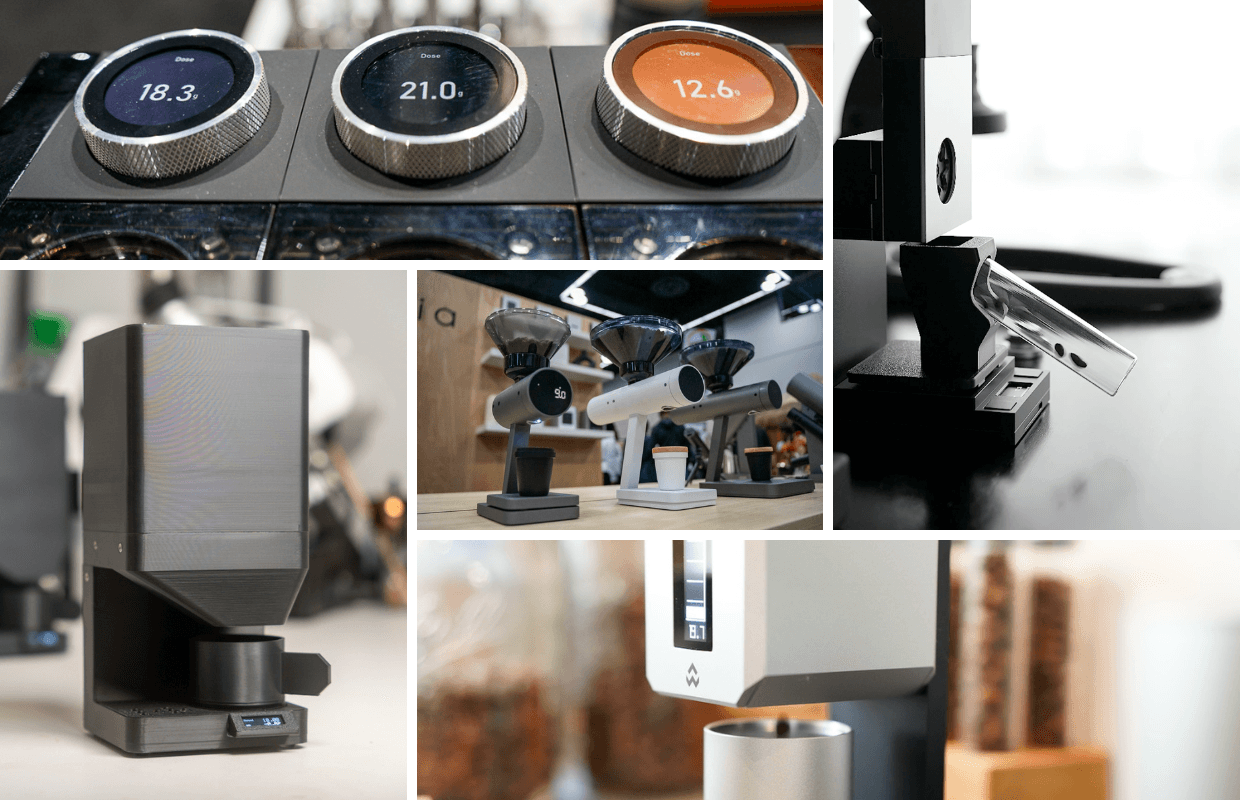
Acaia’s Orion Bean Doser and Weber Workshops’ Bean Counter sit in a very specific part of coffee culture: the place where craft, workflow, and a little bit of gear obsession all collide. They are not built to replace the barista’s judgment, but to remove one of the most repetitive parts of brewing, weighing out beans one portion at a time. That matters most in setups where the menu changes often, the grinder is fed one dose at a time, and consistency has to survive a busy rush or a long cupping table.
Why the category exists
The appeal starts with a familiar pain point. Specialty drinkers and home brewers keep chasing variety, which means more bags opened, more coffees rotated, and more opportunities for a dose to drift if it is measured by hand every time. Automatic bean dispensers answer that by turning a small, boring step into a repeatable workflow, borrowing the logic of older automated dosing systems used in roasteries for bagging retail and wholesale coffee.
The category also fits the way café brewing has changed. Grind-by-weight technology has pushed espresso workflows toward more precision, and the rise of smaller single-dose grinders has created a natural lane for tools that can portion beans faster and more exactly. The result is a tool that makes the most sense in slower, more experimental bars and high-end home setups, where baristas may be pulling multiple espressos or pour-overs and do not want to spend extra minutes portioning every dose by hand.
Acaia built the clearest visible ladder
Acaia helped define the category with the original Orion Bean Doser, which the company says won the Specialty Coffee Association’s 2017 Best New Product Award.
The current Orion family shows how the concept has narrowed and specialized. The line has three coffee-doser products: the Orion, the Orion Mini, and the Orion Nano. The Orion and Orion Mini are both listed at about $950, while the Nano is listed at about $750, which places the entire line firmly in premium territory rather than the impulse-buy range.
Each model reflects a different scale of use. The Orion Mini handles up to 3,000 grams and takes up a footprint of about 4 inches, which makes it easier to fit into a compact, busy bar setup. The original Orion adds an intuitive dial interface, the ability to save three different weights, and a fully automatic mode, giving it the kind of repeatability that matters when the same portion is being dosed all day.
The Nano is designed for precise, customizable bean dosing, with uses in cupping sessions, on-demand café dosing, and coffee blending.
Weber Workshops treats dosing as part of a larger system
Weber Workshops takes a slightly different approach with the Bean Counter. The tool precisely doses beans to weight and is meant to work with Bean Cellars so a fresh bag can be parsed into single-doses before grinding. In practice, that puts the emphasis on preparation and storage as much as on the actual weighing.
That system view continues with Weber’s EG-1 grinder as part of a larger ecosystem built to streamline the single-dosing workflow. Weber says the setup opens new avenues for retailing single-dose portioned coffee beans, which is a notable step beyond the usual grinder-and-scale conversation.

Daily Coffee News has Weber’s Bean Counter dosing within a tenth of a gram, a level of precision that speaks directly to the people who care about exact ratios and repeatability.
Where automation actually earns its place
The real debate is not whether these dispensers are impressive. It is whether the precision and speed justify the cost, the footprint, and the added layer of machinery. In a home setup, the answer usually depends on how often you rotate coffees and how much you value a clean, pre-portioned workflow over a simple scale and scoop routine. In a café, the calculus shifts toward throughput, consistency, and how many hand movements can be removed before the bar starts to feel cramped.
That is also where counter space and retention control enter the conversation. A machine that saves seconds but demands a larger footprint may be a win on a broad brew bar and a burden on a tight espresso station. A system that keeps retention low and doses accurately can make a real difference when the grinder is fed one shot at a time, but the same machine can start to look like expensive theater if the workflow is already built around a full hopper and high-volume service.
Acaia’s connected scale works with La Marzocco’s Linea Mini to stop espresso flow automatically, and it connects with the Pico and Swan grinders for grind-by-weight functionality.
This article was produced by Prism’s automated news system from verified source data, official records, and press releases, then run through automated quality and moderation checks before publishing. The system is built and supervised by the people who set the standards it runs under. Read our full AI policy.
Did this article answer your question?