Washed, natural, honey: what coffee processing labels really mean
Washed, natural, and honey are not roast buzzwords. They tell you how the cherry was handled, and that predicts clarity, fruit, body, and sweetness.
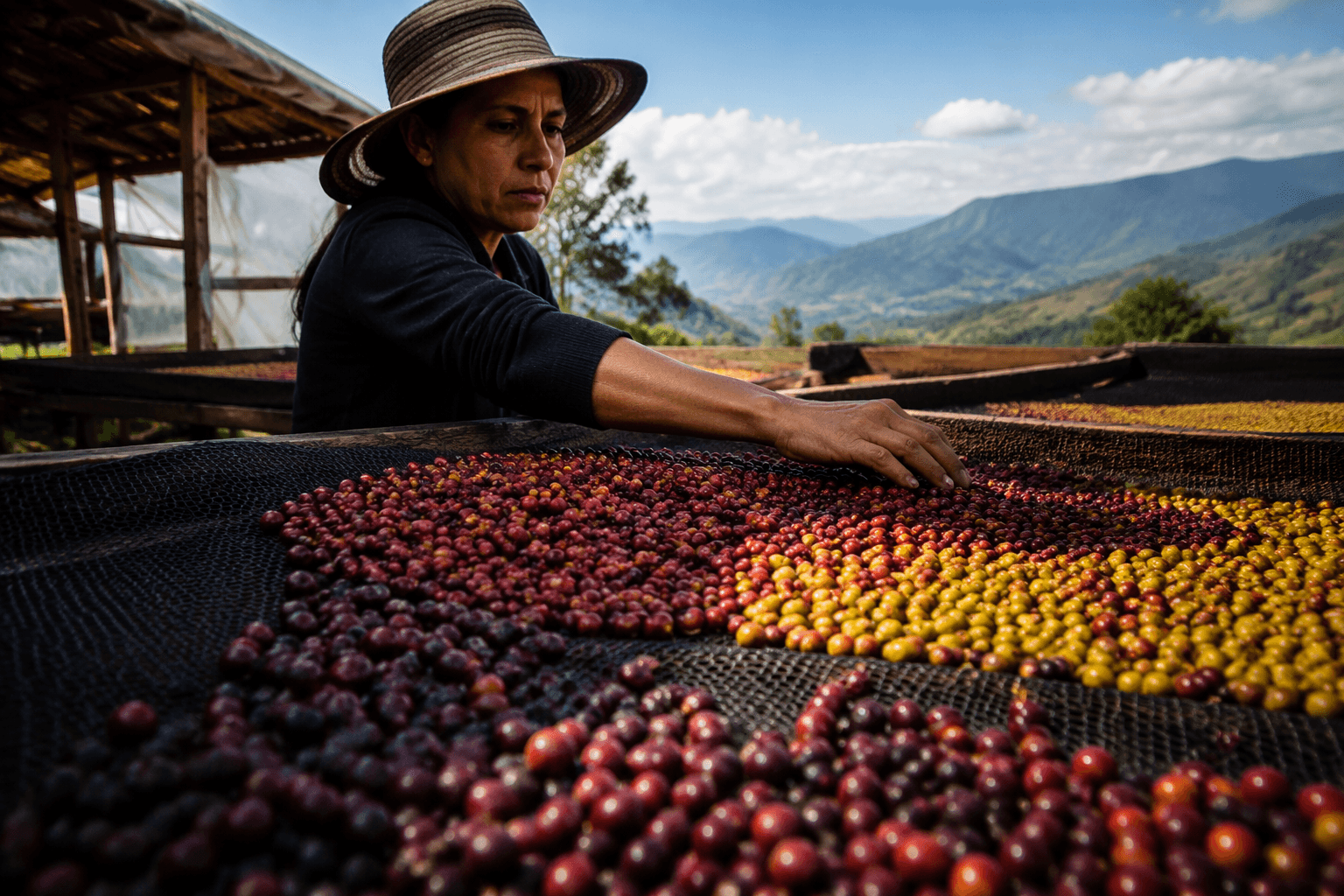
A coffee bag labeled washed, natural, or honey tells you what happened to the cherry after harvest, not how dark the roast is. Coffee beans are seeds inside a fruit, the coffee cherry, and the way that fruit is handled before drying can change the cup as much as origin or roast.
What the label is really telling you
Processing is the post-harvest handling of the coffee cherry. On a café menu, the label describes how much fruit stayed with the seed, how the coffee dried, and how much control the producer needed to keep the lot clean. Two coffees from the same farm can taste radically different if one is washed and the other is natural.
In specialty coffee, those words function as shared language across the supply chain. The Specialty Coffee Association’s standards framework defines a standard as a document that usually sets requirements adopted by the actors in an industry. That lets words like washed and honey mean something when green buyers, roasters, and cafés are talking about cup quality.
Washed: the cleanest, brightest read
In washed processing, the fruit flesh is removed before drying, and the beans are typically fermented and washed clean of remaining mucilage. That extra cleaning step usually pushes the cup toward clarity, brighter acidity, and a more defined origin character. If a café menu promises a washed Ethiopia, that often translates to a sharper, cleaner profile than you would expect from a natural lot of the same coffee.
This is the label to reach for when you like coffee that drinks crisp and structured. Think citrus, florals, tea-like texture, and a finish that feels precise rather than syrupy. The upside is consistency and transparency in the cup; the trade-off is that you get less of the ripe-fruit punch that natural processing can deliver.
Natural: the fruit-forward gamble
In natural processing, the whole cherry dries intact around the seed. That leaves the fruit in contact with the seed for longer, which often brings fruitier aromas, heavier body, and more intense sweetness. Done well, it can taste lush and layered; done poorly, it can turn muddy fast.
Natural coffee demands careful drying. Uneven drying, mold, and defects are the obvious risks, and that is why naturals can be thrilling but less forgiving than washed lots. If you see a natural on a café menu and you like blueberries, dried fruit, or a jammy cup with more weight, you are usually in the right neighborhood.
Honey: the middle ground that is not actually sweet syrup
Honey processing sits between washed and natural. The skin is removed, but some mucilage remains on the seed during drying, and that middle amount of fruit material is what often gives honey coffees their balance of sweetness, body, and clarity. It is not about honey flavor in the literal sense, though some coffees do lean into that impression.
You will often see yellow, red, or black honey on bags. Those color terms can signal how much mucilage was left and how slowly the coffee dried, but naming conventions vary by country and producer, so the label is a clue rather than a universal code. In practice, the color usually suggests how much of a compromise the producer made between the structure of washed coffee and the lushness of natural.
Honey coffees became increasingly popular through the 2010s. A Daily Coffee News explainer published on December 4, 2017, identified Oscar and Francisca Chacon of Las Lajas Micromill in Costa Rica as well-known honey-process producers.
Why process matters in the cup, not just on the farm
Processing is not only a flavor decision. It is also a risk-management decision. It affects water use, drying space, labor, and consistency, which is why producers treat it as one of the most consequential choices they make after harvest.
In the Specialty Coffee Association’s Coffee Value Assessment material, innovation in coffee has advanced for decades while the system for evaluating coffee has remained the same. Processing labels help predict what will happen in the cup.
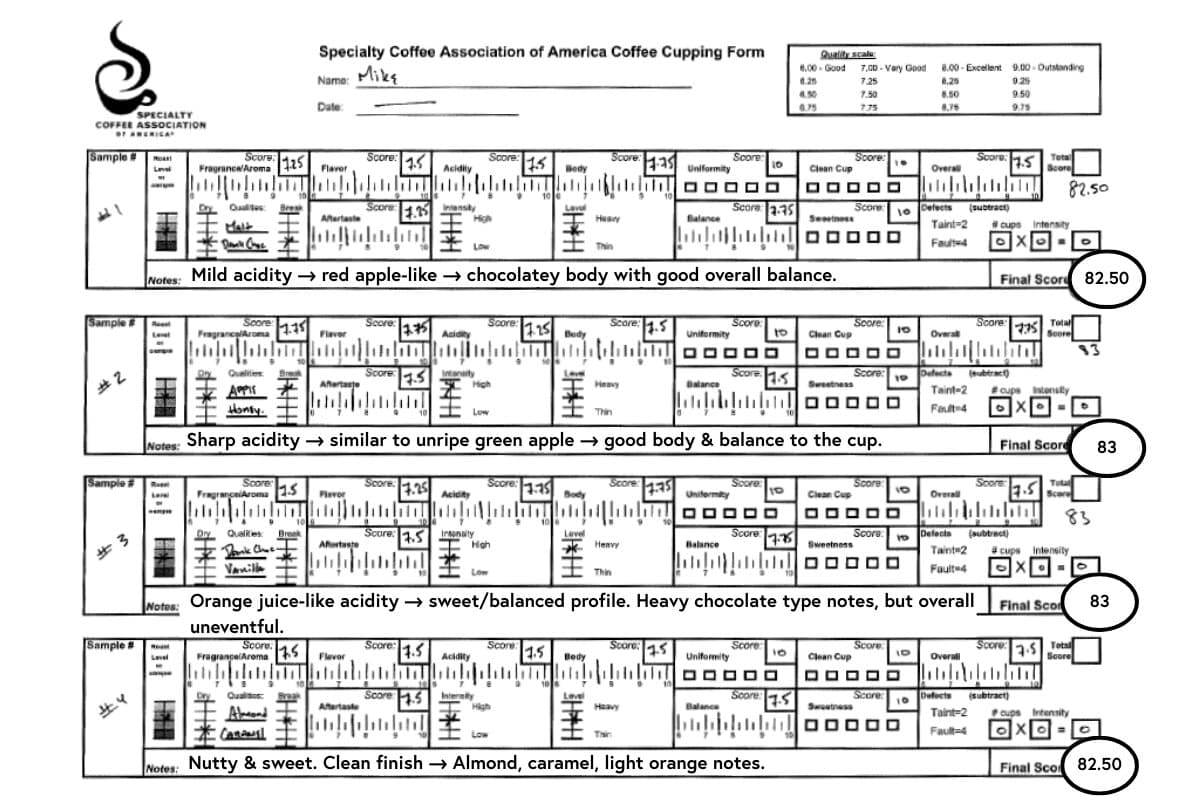
The SCA has also used sensory material to compare a honey process from El Salvador with a washed coffee from Ethiopia and a wet-hulled coffee.
How to use the label when you order
If you want a café shortcut that actually works, start with the process before you chase origin microlots or roast descriptors.
- Choose washed when you want crisp, tea-like cups with clear acidity and a more defined origin profile.
- Choose natural when you want ripe fruit, heavier body, and a sweeter, more saturated cup.
- Choose honey when you want something in the middle, with more sweetness than washed and more structure than natural.
The best way to use the label is to pair it with tasting notes and the producer’s description. Processing terms are widely used, but they are not perfectly standardized, especially with honey colors and with country-specific naming habits. A bag that says black honey in one producing region may not line up exactly with the same word somewhere else, which is why the producer’s explanation matters as much as the shorthand on the front.
This article was produced by Prism’s automated news system from verified source data, official records, and press releases, then run through automated quality and moderation checks before publishing. The system is built and supervised by the people who set the standards it runs under. Read our full AI policy.
Did this article answer your question?