Why coffee quality is being measured beyond a single score
Specialty coffee is moving past the old 100-point habit. The SCA’s CVA adds physical and affective measures that can change what cafés buy, promote, and price.
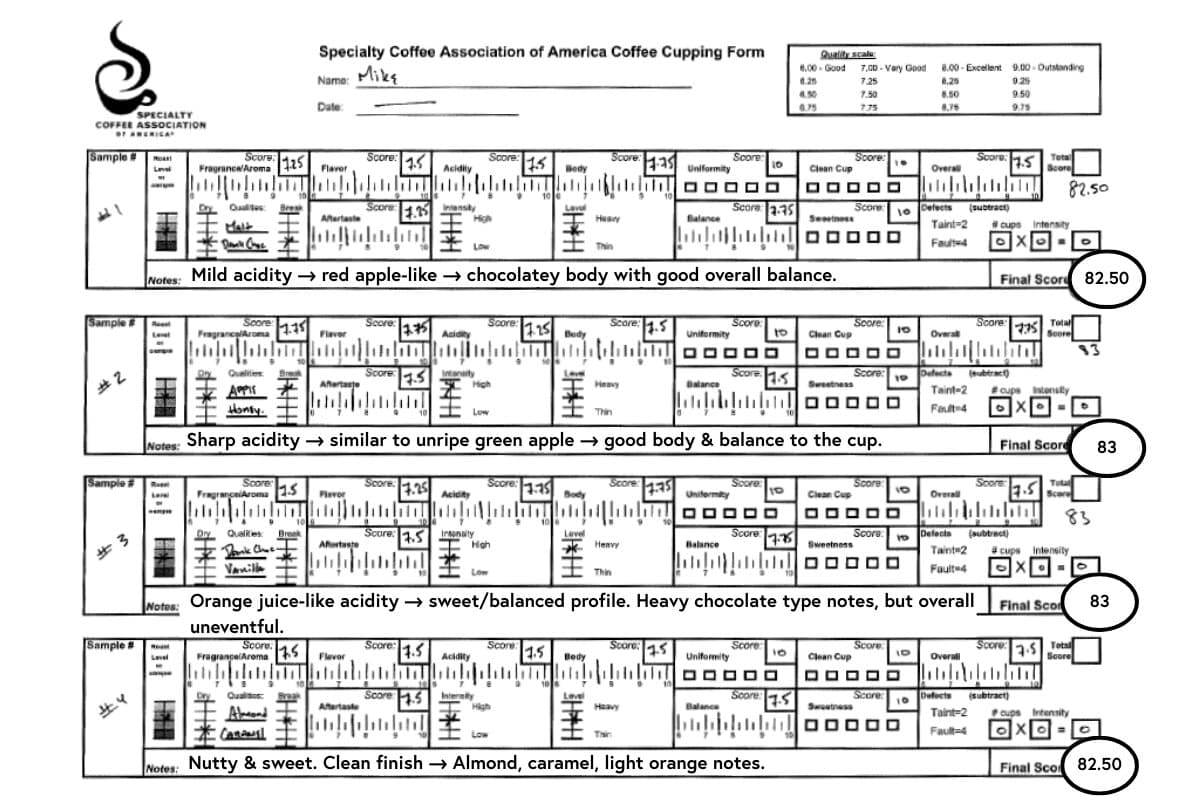
The Specialty Coffee Association’s Affective Score Calculator points to a bigger change in how specialty coffee is judged. For years, one number on a cupping sheet often decided what looked “special,” what landed on a café shelf, and what earned a higher asking price, even though the coffee itself was being judged through defect counts, calibration, and a cupping table full of sensory notes. The Coffee Value Assessment widens that lens without throwing away the discipline that made specialty coffee recognizable in the first place.
Two kinds of quality have always been in play
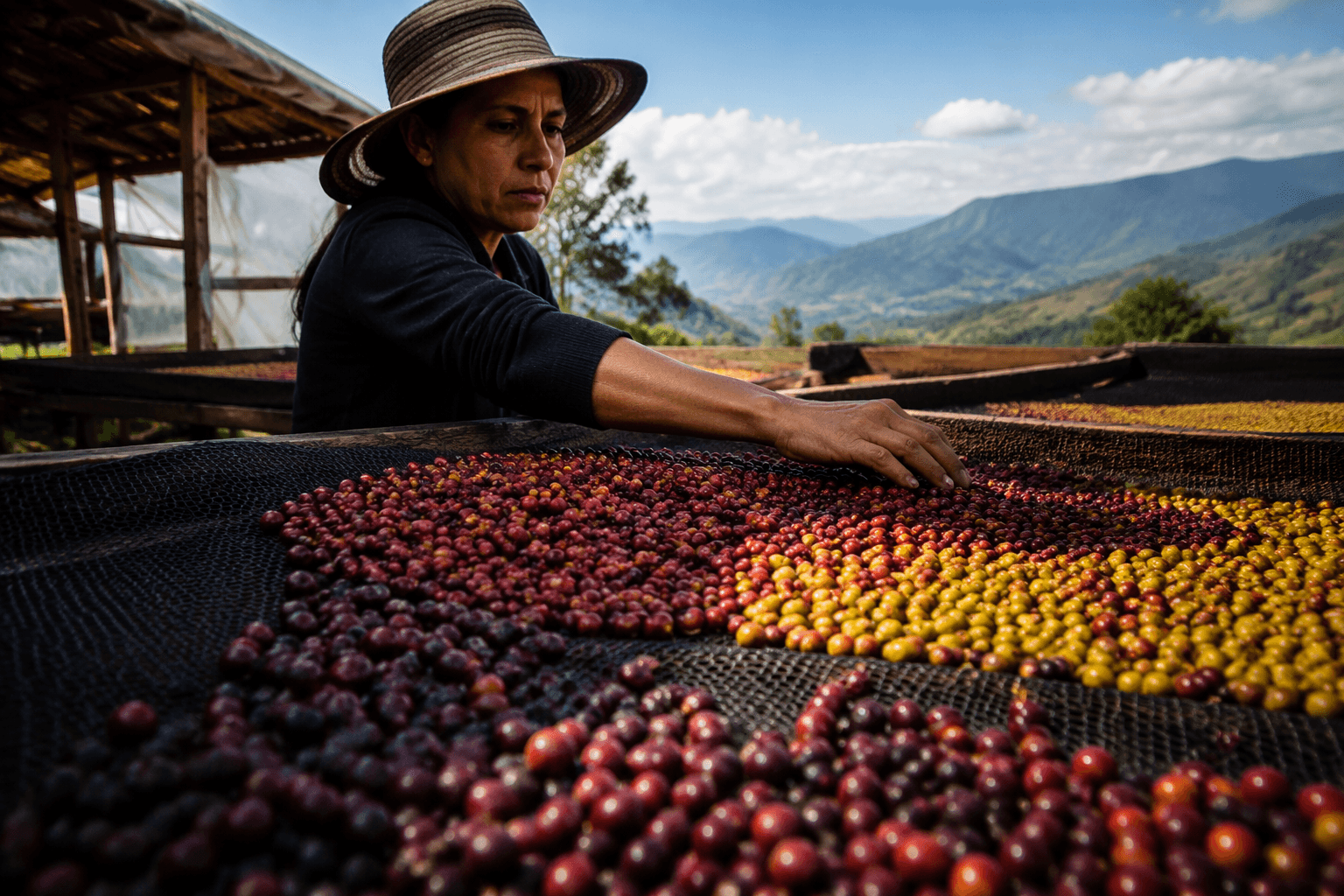
The first split to understand is physical quality versus sensory quality. Green coffee standards are about the raw material before roasting: bean size, defects, moisture content, and basic condition all tell you how a coffee will behave in the roaster and how consistent it may taste in the cup. Sensory evaluation happens later, when trained cuppers work through aroma, flavor, acidity, body, aftertaste, and overall impression in a controlled setting.
Physical quality and cup quality overlap, but they are not the same thing. A coffee can look clean on paper and still cup flat, or carry a few quirks in the sample while offering real character after roast. The old specialty system tried to connect those dots with grading and scoring, but the relationship was never perfectly linear.
Why the 100-point era shaped what you saw on the shelf
For decades, the familiar 100-point scale and standard cupping protocol gave buyers a common language. If a coffee scored well, it was easier to explain, easier to compare across lots, and easier to market on a retail bag or café menu. That simplicity was useful, but it also encouraged the idea that one score could stand in for everything a coffee brought to the table.
On its Coffee Value Assessment page, the Specialty Coffee Association says innovation in coffee moved forward for decades while the evaluation system stayed the same. The industry kept changing, but the scoring habit stayed narrow, and narrow scoring tends to reward coffees that fit a very specific idea of excellence.
What the Coffee Value Assessment changes
The Coffee Value Assessment is not just a new label for the same old cupping sheet. It is built around the idea that coffee value is broader than a single numeric result, and that a lot of what buyers care about gets lost when everything is collapsed into one score. The SCA created an Affective Score Calculator, a sign that the framework is trying to capture how coffee is actually experienced, not just how it performs inside a defects-and-points grid.
The shift became more concrete in 2024. On March 12, 2024, the CVA was still a new SCA Coffee Value Assessment series in development, and on November 5, 2024, the SCA officially adopted new cupping forms and standards.

Why standards matter long before a bag hits the brew bar
Specialty coffee runs on standards because standards keep everyone speaking roughly the same language. A standard is a document that sets requirements adopted by actors in an industry, and that is exactly how green coffee grading has worked for years: size, defects, and quality scoring create a baseline for buying and quality control. Without that baseline, the whole chain gets fuzzier, from green sample to roast profile to what ends up on a menu board.
Moisture content is a good example of why this is not just lab talk. Green bean moisture affects how coffee tastes, how it roasts, and even how much the producer is paid. The numbers attached to green coffee can influence flavor in the cup and economics at origin.
What cafés may start highlighting differently
If a café relies only on one score, it tends to feature coffees that fit a very narrow quality story: clean, bright, high-scoring, and easy to shorthand. A CVA-style approach gives roasters and café buyers more room to explain a distinct processing profile, a standout sensory character, or a combination of technical and market value that a single number flattens.
That could change what gets put in front of customers and how it gets priced. A lot of café shelves are built around the idea that the best coffee is the one with the highest score, but a multi-part assessment makes it easier to justify buying coffees that are compelling for reasons beyond that one figure. For the drinker, that means the bag or menu card may start emphasizing the coffee’s physical quality, sensory traits, and broader market context instead of just a score printed in bold.
The broader specialty debate is still alive
An International Coffee Organization document dated November 11, 2024 records a Focus Group on Specialty Coffee review of existing definitions after a July 3, 2024 meeting. The industry is changing how it scores coffee and how it defines specialty coffee.
If the category itself is being revisited, the tools used to judge it have to become more flexible too. The CVA is part of that larger recalibration, alongside the same old green grading basics that still tell you about size, defects, and moisture before a bean ever reaches the grinder.
This article was produced by Prism’s automated news system from verified source data, official records, and press releases, then run through automated quality and moderation checks before publishing. The system is built and supervised by the people who set the standards it runs under. Read our full AI policy.
Did this article answer your question?