Blank Street Coffee Ditches Tiny Shops for Larger, Experience-Driven Stores
Blank Street Coffee raised $130M and is ditching its Dutch Bros-inspired kiosks for larger, matcha-serving, Instagram-friendly stores to chase Starbucks' "third place" crown.
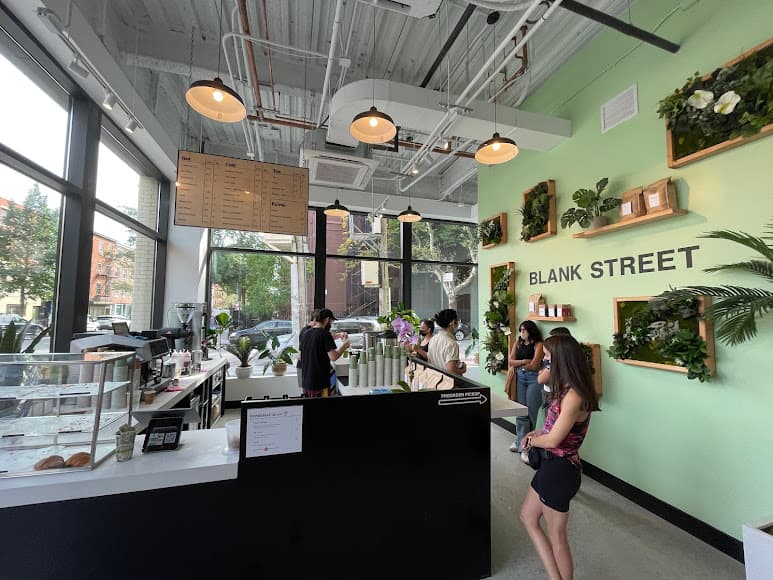
Blank Street Coffee, the chain that built its early reputation on tiny, grab-and-go kiosks modeled after Dutch Bros' speed-first playbook, is abandoning that format in favor of larger, experience-driven stores explicitly designed to attract Gen-Z customers and compete with Starbucks' "third place" positioning. A Bloomberg feature published March 17 examined the strategic reversal, which is backed by $130 million in funding the company has raised to support its expansion.
The pivot is a significant departure from the model that powered Blank Street's pandemic-era growth. During COVID, the chain exploited lower commercial rents and surging demand for quick, contactless coffee to spread its compact kiosks across New York City. That window has since closed, and the chain currently sits at 97 total locations across all markets, still short of the 100-store New York City target it set for itself and never reached.
The forces pushing Blank Street toward bigger footprints are both cultural and commercial. Customers increasingly want somewhere to stay, not just somewhere to grab a flat white and sprint to the subway. Matcha-based beverages have become a particularly telling indicator of that shift: demand for them has surged at Blank Street, and they now represent a significant portion of the chain's total sales, a data point that signals its customer base skews younger and more wellness-oriented than a traditional espresso crowd.
Starbucks looms over all of it. The incumbent giant has been loudly repositioning itself around cozier seating, softer aesthetics, and the promise of a welcoming gathering space, reclaiming the "third place" language that defined its original cultural appeal. Blank Street's new store direction is a direct response: if the battleground is now experiential, the chain needs square footage to fight on it.
The financial picture carries some nuance. According to Bloomberg Second Measure, Blank Street's U.S. sales grew 21% in 2025, a number the company itself disputes as too low, though it has declined to share its own internal figures. Critically, Blank Street has not released full-year revenue figures, leaving outside analysts to compare it against peers like Starbucks and Dutch Bros without a complete picture. Investors, for their part, are watching closely to see whether the move into larger, presumably more expensive real estate erodes the cost efficiency that made the original kiosk model attractive in the first place.
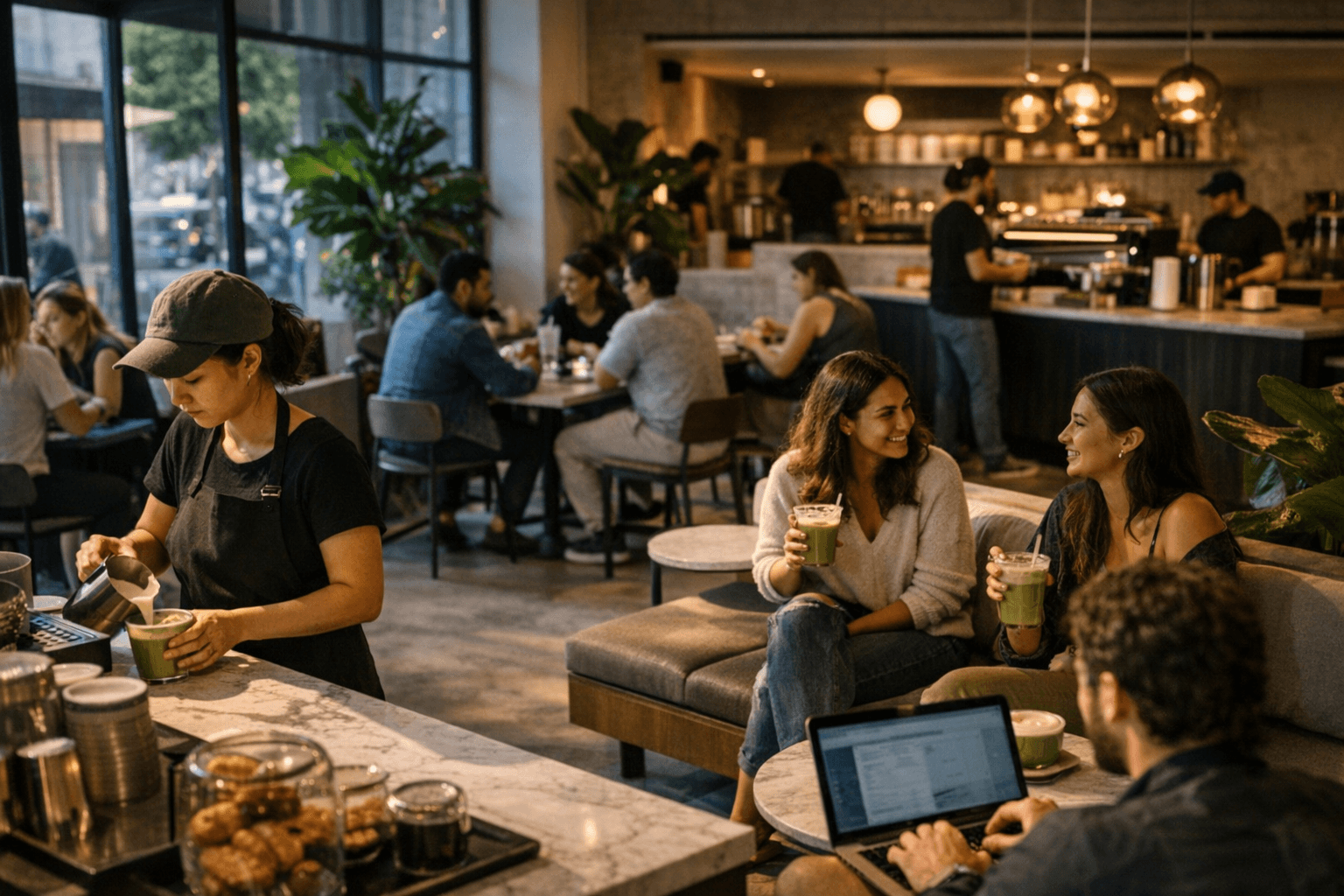
The irony is that Blank Street built its identity on being the anti-Starbucks: fast, cheap, uncluttered, no armchairs required. Now it's chasing the very positioning it once implicitly rejected, betting that a Gen-Z customer who orders a matcha latte and pulls out a laptop wants the same thing from a Blank Street as from the green-mermaid giant down the block.
This article was produced by Prism’s automated news system from verified source data, official records, and press releases, then run through automated quality and moderation checks before publishing. The system is built and supervised by the people who set the standards it runs under. Read our full AI policy.
Did this article answer your question?