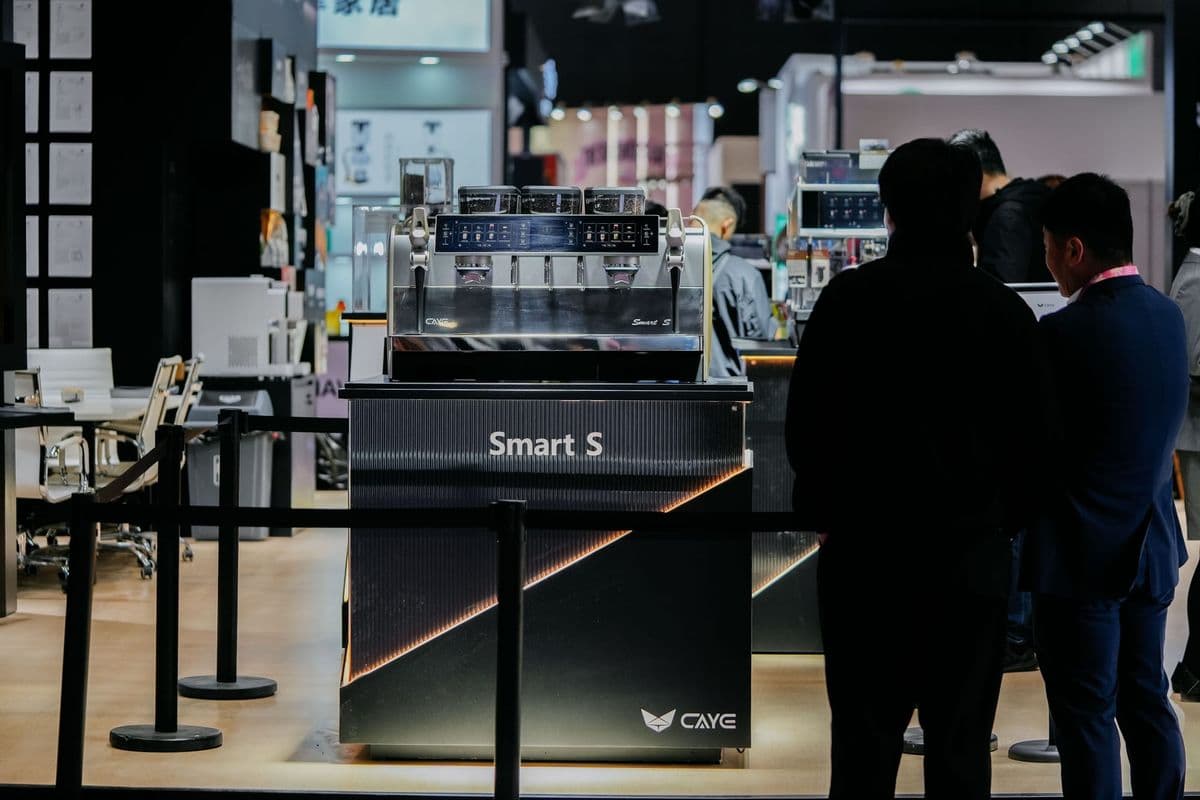
China’s zero-tariff policy gives African coffee exporters a boost in China
China’s zero-tariff move cuts landing costs on Kenyan coffee and opens a fresh lane into a $42 billion market, with Ethiopia also positioned to benefit.
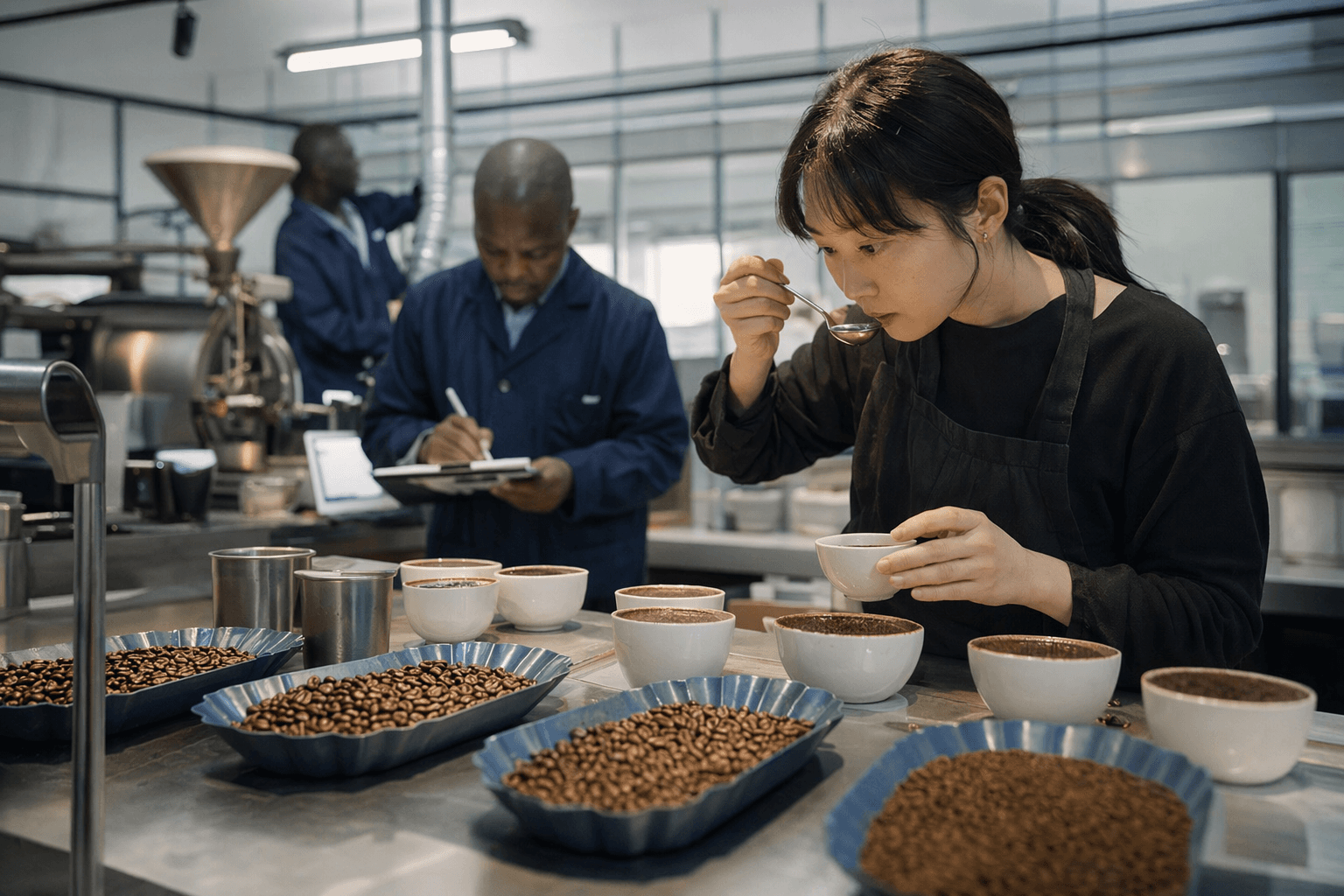
China’s new zero-tariff treatment for African countries with diplomatic ties has instantly lowered the cost of getting coffee into one of the world’s biggest growth markets, with Kenya and Ethiopia emerging as the clearest early winners. The policy took effect on May 1, covers 53 African nations, and runs through April 30, 2028, removing duties that Chinese officials said had ranged from 8% to 30% on products now entering under the new scheme.
For coffee exporters, the practical change is simple: less money disappears at the border, so more of the final selling price can go to origin, quality, logistics and branding. China’s commerce ministry said the measure gives African coffee, including Kenyan coffee, a stronger competitive edge, and it comes as China’s coffee market is expanding quickly. A USDA Foreign Agricultural Service estimate put the market at $42 billion in 2024, with consumption above 240,000 metric tons and annual growth of about 15%.
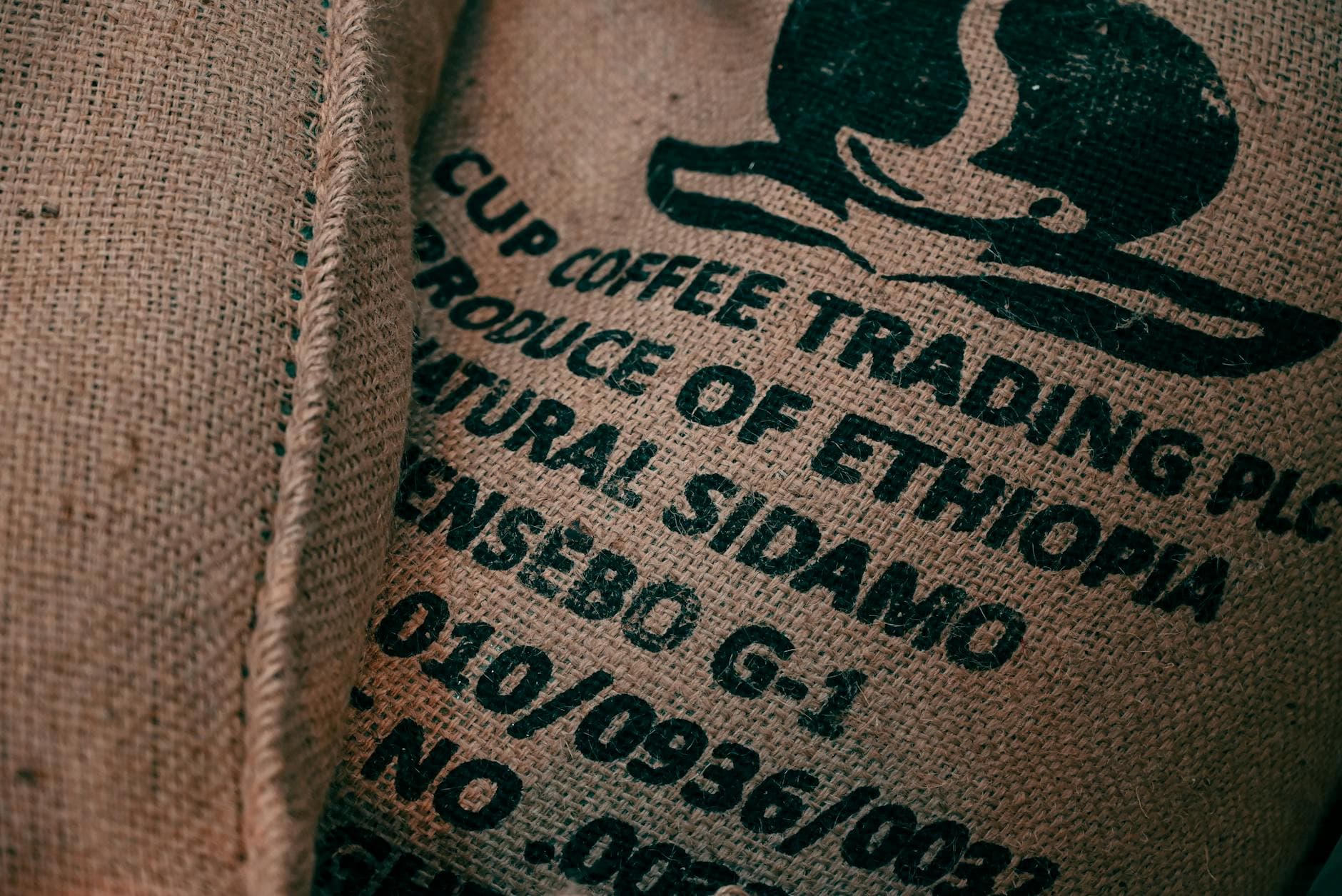
Kenya looks especially well placed because its premium segment already has a foothold among Chinese buyers who value traceability, origin and processing details. That plays directly into the kind of coffee that can win in a market where tariffs no longer separate one origin from another. Ethiopia also enters the new regime with momentum. Chinese state media said Ethiopian coffee exports to China climbed from about 4,000 metric tons in 2018 to 34,300 metric tons in 2024, while another report said Ethiopia shipped more than 34,000 tons to China in the 2024/25 fiscal year and earned more than $218 million. One report said China has become Ethiopia’s fifth-largest coffee importer.
The broader policy shift is bigger than coffee alone. China had already granted duty-free access to 33 of Africa’s least-developed countries in December 2024, and the May 1 expansion brought 20 more countries into zero-tariff treatment. Officials also said the move could pull in investment, capital, technology, equipment and management expertise, which matters for coffee because the biggest gains often come after the farm gate, in roasting, blending, packaging and private-label work.
The first shipments under the expanded regime reportedly entered through Shenzhenwan Port, a sign that the policy is already moving through the logistics chain rather than sitting on paper. China has been Africa’s largest trading partner for 16 consecutive years, and this change gives African coffee a better shot at turning that relationship into something deeper than commodity sales: a more durable, higher-value place on Chinese shelves.
This article was produced by Prism’s automated news system from verified source data, official records, and press releases, then run through automated quality and moderation checks before publishing. The system is built and supervised by the people who set the standards it runs under. Read our full AI policy.
Did this article answer your question?