International Coffee Convention heads to Trieste with climate focus in 2026
Trieste’s coffee port legacy will frame ICC 2026, where climate, consumers and circularity take center stage and abstract submissions close June 30.
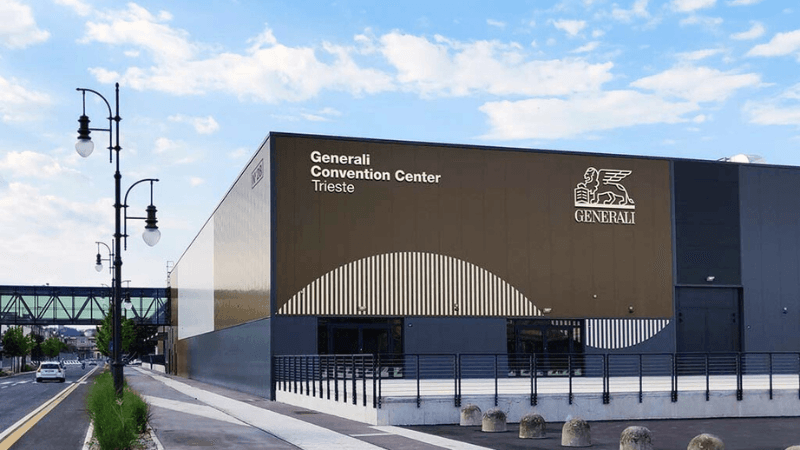
Trieste has always sold coffee with a sense of place. The city was made a free port in 1719 by Charles VI, grew into the principal coffee port of the Austro-Hungarian Empire, and still carries a trade identity that heritage materials say is tied to roughly 30% of its imports. That is the backdrop for the International Coffee Convention, which will bring its next edition to Trieste, Italy, on October 16-17, 2026, after recent meetings in Mannheim, Germany.
ICC is not trying to be another glossy trade fair. The convention describes itself as a science-driven international forum that sits between academia and the commercial coffee world, with a compact, highly interactive program built around presentations, discussion and networking. Its 2026 theme, Coffee at the Crossroads: Climate, Consumers and Circularity, points straight at the issues that are already shaping buying decisions, sourcing risk and quality in the cup.
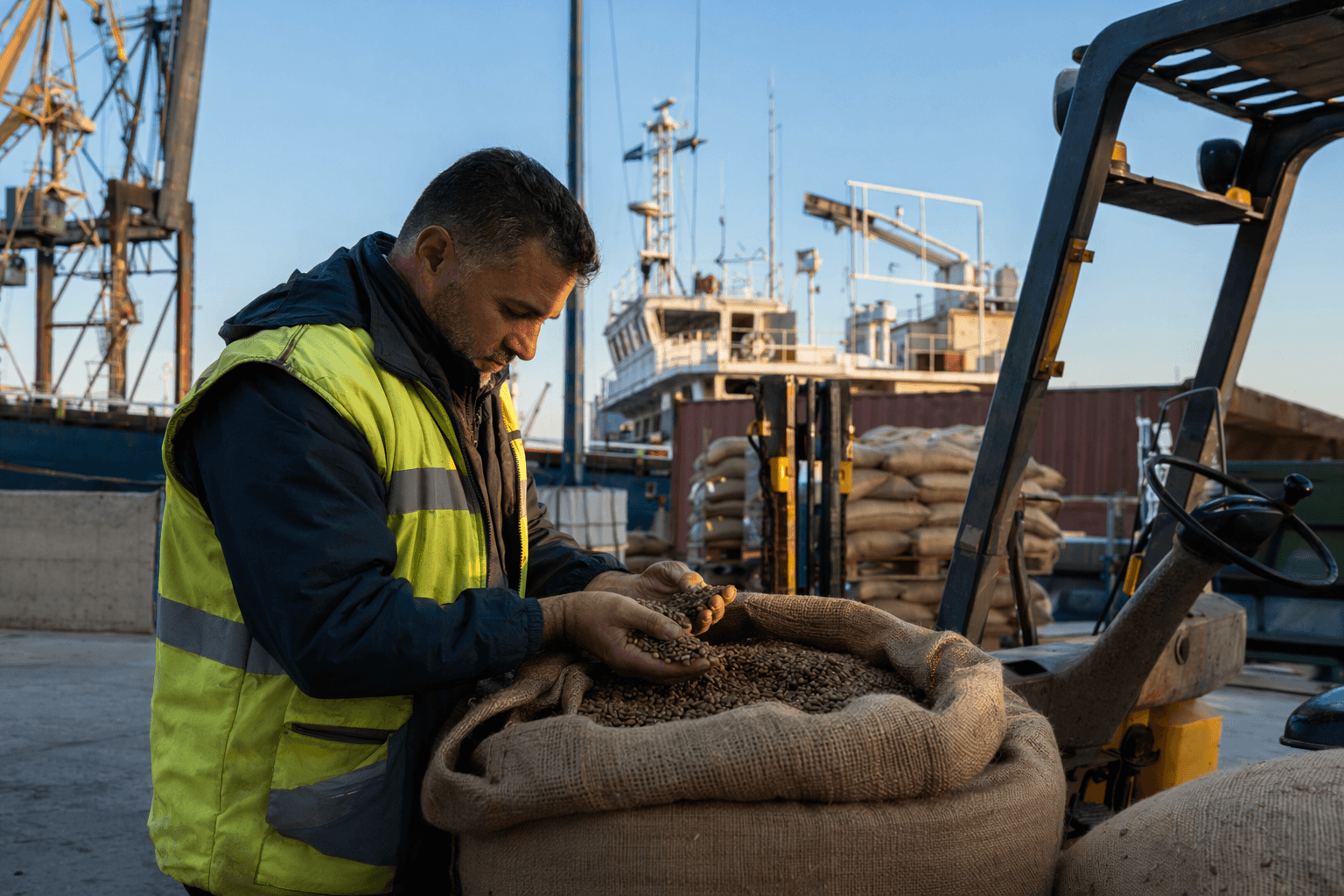
That is why the Trieste move matters beyond symbolism. The room will draw researchers, industry leaders, technical experts and practitioners from across the value chain, including producers, exporters, importers, roasters, machine manufacturers, cafes, vending operators, quality specialists, policy stakeholders and more. The conversations likely to dominate are the ones operators are already wrestling with: climate adaptation, processing innovation, consumer trends, ethics, technology and regulation. The call for abstracts is open now, with a June 30, 2026 deadline, so the first real signal of the program will come from the research topics that get accepted.
The timing is sharp. The Food and Agriculture Organization of the United Nations said world coffee prices rose 38.8% in 2024, driven mainly by adverse weather, while smallholder farmers account for 80% of global coffee production. That combination makes climate resilience more than an abstract conference theme. It is the difference between stable supply and another year of volatile sourcing, tighter margins and uncomfortable conversations at origin and in roasting rooms.
Regulation will be just as hard to ignore. The European Commission’s Deforestation Regulation, adopted in 2023, covers coffee and is aimed at cutting deforestation-linked imports. For coffee businesses, that means traceability, compliance and sourcing strategy are no longer back-office issues. They are now central to how beans move through the market and how buyers justify what lands on the shelf.
Trieste gives ICC a setting that fits that urgency. Caffè degli Specchi dates to 1839, and the city’s café culture is tied to a long history of trade, shipping and public debate. ICC has spent years building a niche around applied coffee science, and Trieste 2026 looks set to push that formula further, with climate, compliance and circularity at the center of the industry’s next round of decisions.
This article was produced by Prism’s automated news system from verified source data, official records, and press releases, then run through automated quality and moderation checks before publishing. The system is built and supervised by the people who set the standards it runs under. Read our full AI policy.
Did this article answer your question?