Climate shocks push coffee prices to multi-year highs worldwide
Bean prices are climbing as heat, drought and fires squeeze Brazil and Vietnam. The FAO says coffee hit a multi-year high and could rise again in 2025.

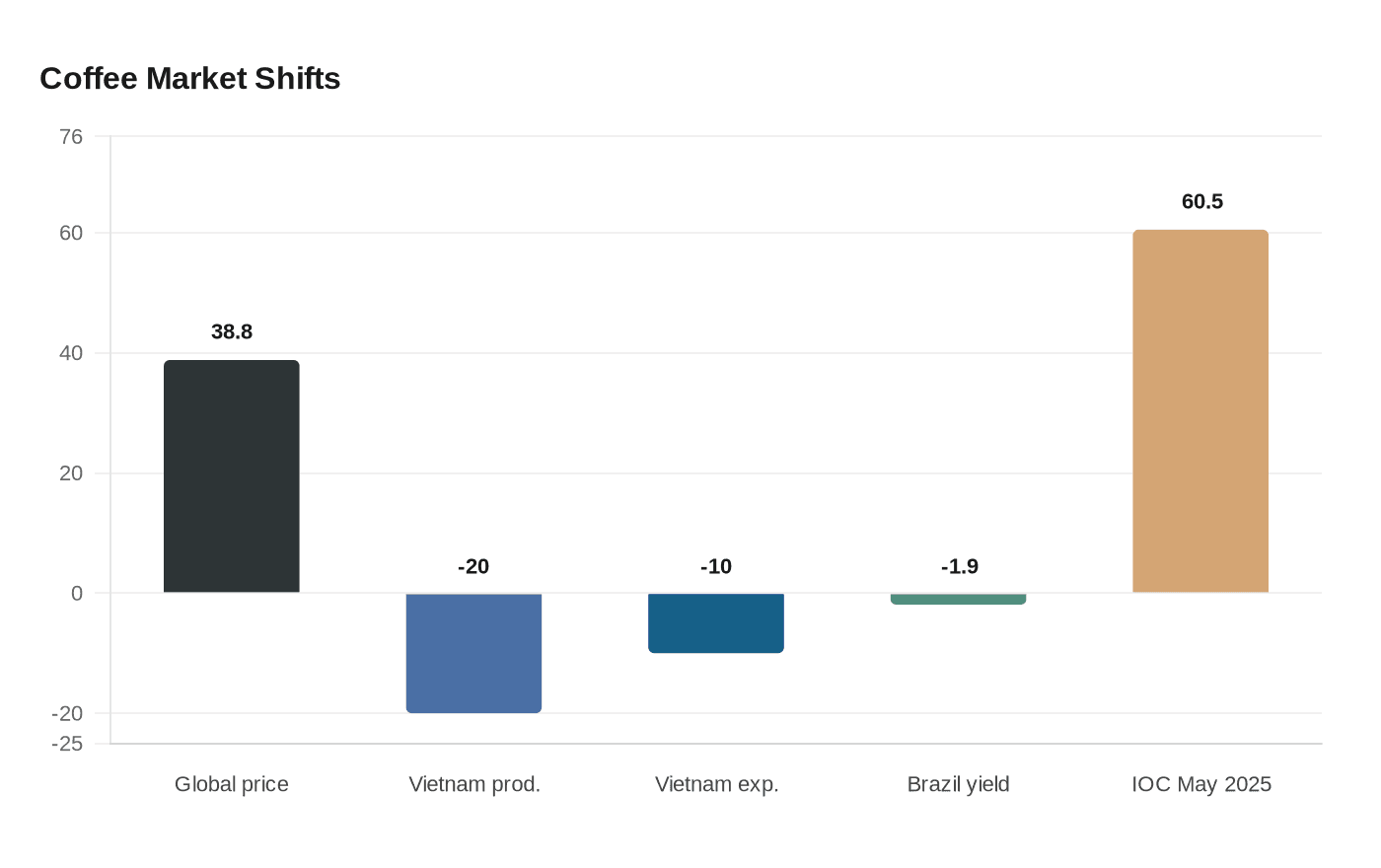
Erratic weather is hitting coffee drinkers where it shows up fastest, on the shelf and in the cup: higher bean prices, less predictable flavor from crop to crop, and fewer origins you can count on when a favorite lot suddenly runs short. The Food and Agriculture Organization said world coffee prices rose 38.8% in 2024 from the previous year’s average, reaching a multi-year high, and warned that export prices could climb again in 2025 if major growing regions take on more supply losses.
The tightest pressure is coming from the big producing countries that anchor the market. The FAO said prolonged dry weather cut Viet Nam’s coffee production by 20% in 2023/24, while exports fell 10% for a second consecutive year. It also pointed to limited export quantities from Viet Nam, reduced output in Indonesia and adverse weather in Brazil as the main forces behind the price jump. For buyers who lean on those origins to keep blends affordable and consistent, that is the kind of disruption that shows up long before it is obvious in the broader grocery aisle.
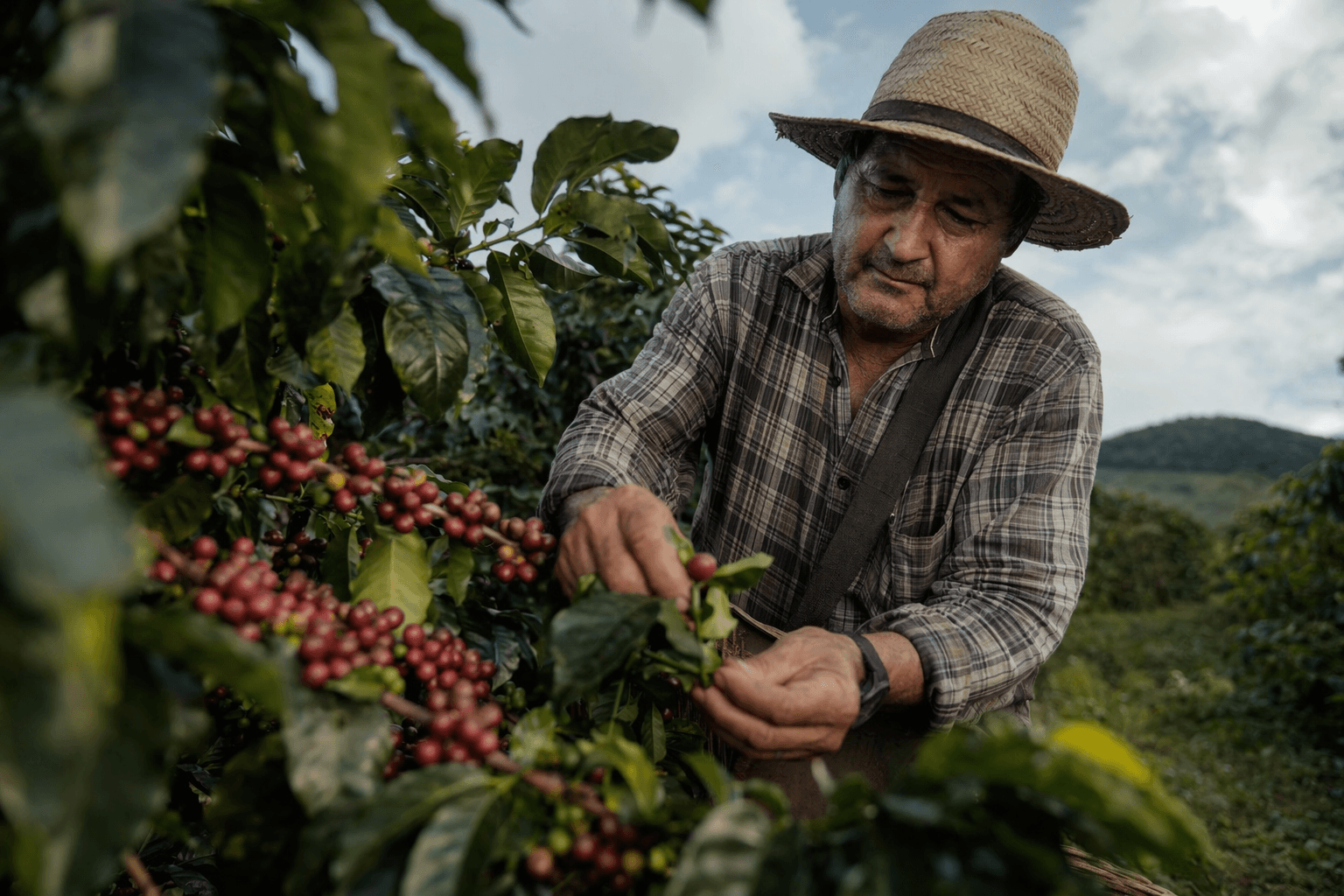
Brazil remains the center of the squeeze. As the world’s largest coffee producer and exporter, it carries outsized weight in global pricing, and its productivity fell 1.9% in 2024 to 28.8 bags per hectare. Brazilian growers have been dealing with frosts, extreme heat, drought and erratic rainfall over several years. Reuters-linked reporting in early 2025 said 2024 was the country’s hottest year on record and that it also saw a record number of forest fires.
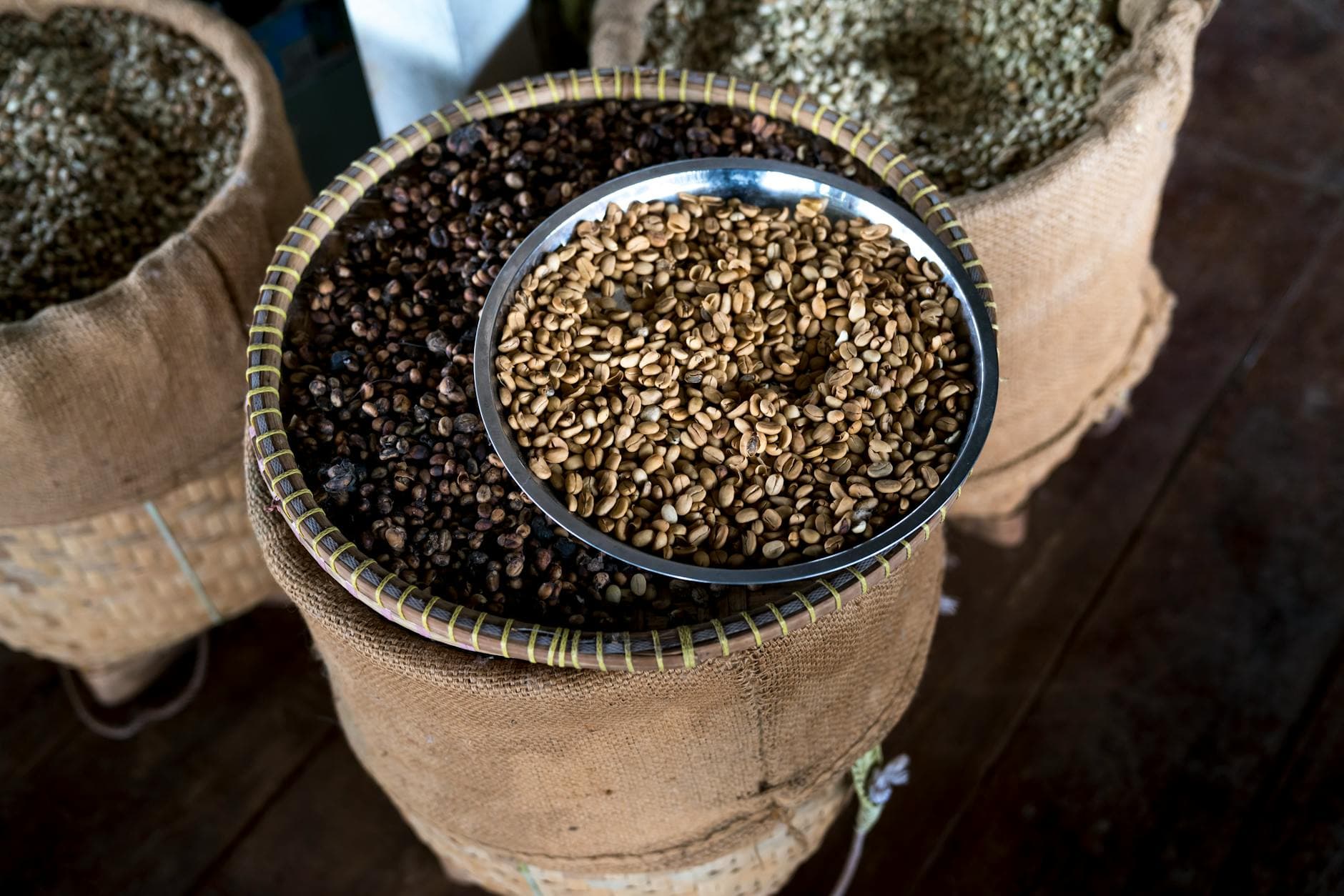
The market is already pricing that strain in. The International Coffee Organization said its May 2025 Composite Indicator Price averaged 334.41 cents per pound, down slightly from April but still 60.5% higher than in May 2024. That matters far beyond trading screens, because smallholder farmers produce about 80% of the world’s coffee, so climate shocks hit rural income first and then work their way into roaster contracts, cafe menus and household budgets.
For coffee buyers, the message is blunt: the next shortage or spike is more likely to start with weather than with speculation. The cheapest way to stay ahead of it is to expect less stability from the usual Brazil, Viet Nam and Indonesia anchors, and to treat every fresh crop as something that may cost more and behave differently than the last one.
Know something we missed? Have a correction or additional information?
Submit a Tip