Coffee Futures Rally as Weak Dollar, Brazilian Exports and Drought Tighten Supply
Coffee futures rose as a weaker US dollar, smaller Brazilian exports and drought in Minas Gerais tightened supply, lifting arabica and robusta prices.
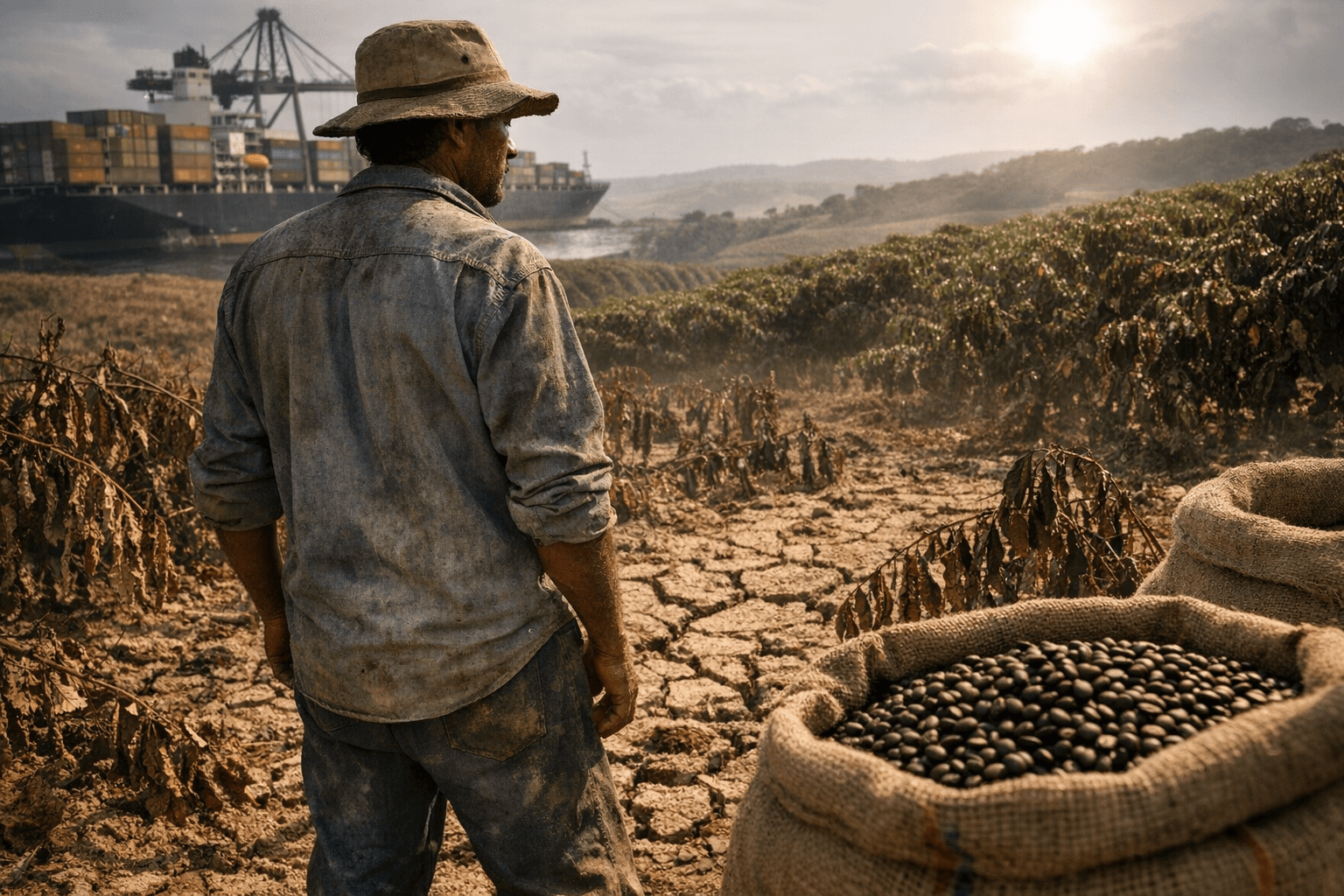
Coffee futures climbed after a slump in the US dollar and signs of tightening supply in Brazil prompted short-covering and pushed prices higher. March arabica futures (KCH26) moved up and March ICE robusta (RMH26) also rose, with robusta touching a 1.5-month high as traders reacted to currency moves, export flows and dry weather.
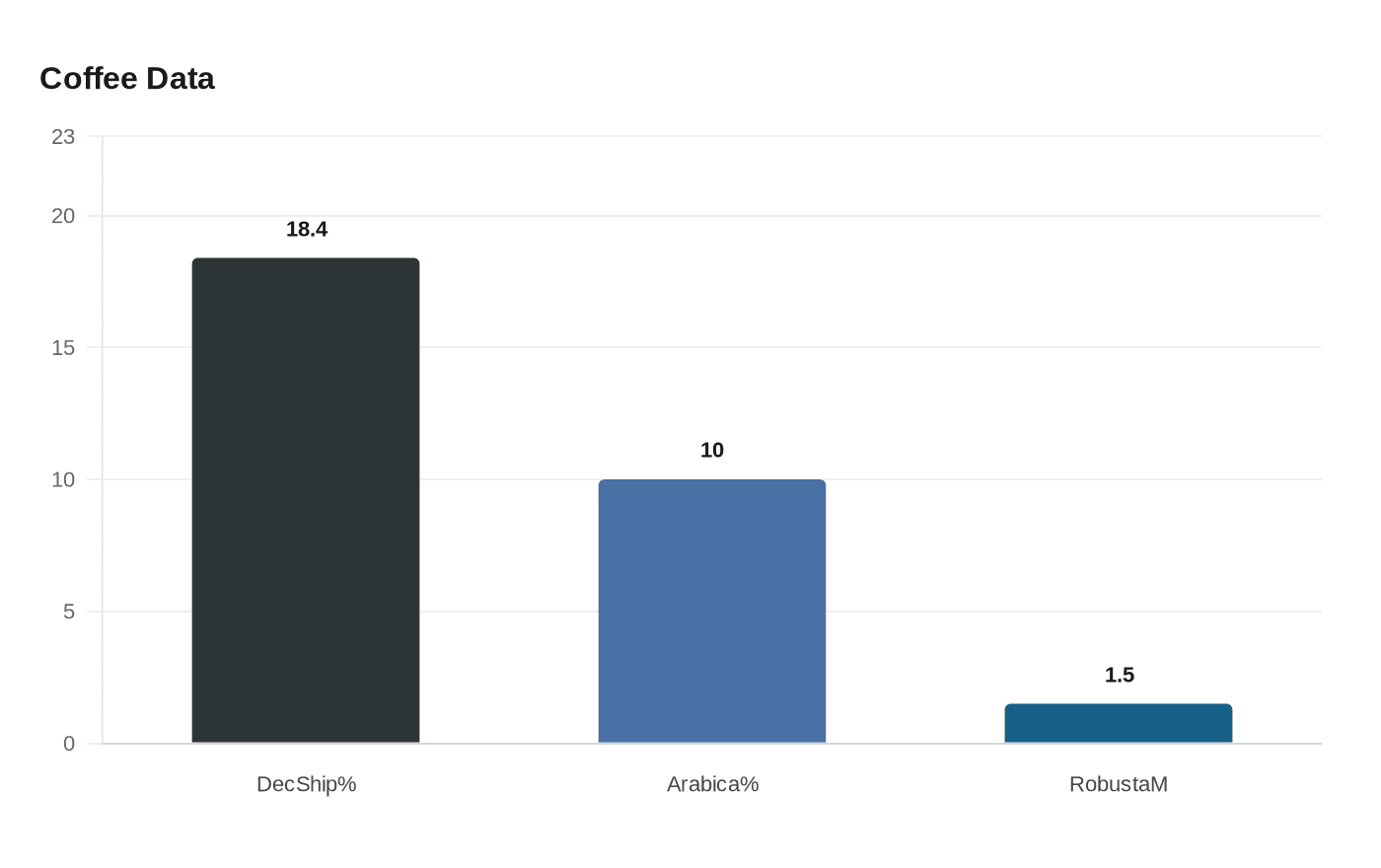
Market commentary published January 24 recorded the moves and highlighted three near-term drivers. The dollar decline reduced the opportunity cost of holding commodities, encouraging short-covering across coffee contracts. Export data from Cecafé showed December green-coffee shipments fell 18.4% year-on-year, with arabica exports down 10% compared with the same month a year earlier. Those weaker flows coincided with reports of below-average rainfall in Minas Gerais, Brazil’s main arabica-growing state, raising concerns about yields and cherry quality ahead of critical seasonal harvest windows.
The combination of currency, crop and logistics signals produced a swift market response across major ICE contracts. Traders monitoring KCH26 and RMH26 adjusted positions where liquidity allowed, and robusta’s move to a 1.5-month high reflected both speculative short-covering and realignment of supply expectations for washed and natural material used by mills and instant coffee processors. Seasonal timing in Brazil means reduced export volumes can amplify price moves until harvest volumes stabilize.
This matters for roasters, café operators, green-bean buyers and home roasters who track input costs closely. Higher futures can translate into rising green-bean prices at the point of sale, tighter availability on specific lots, and greater volatility for forward purchasing. Buyers exposed to market prices today can consider practical steps: lock in forward contracts, increase inventory coverage for key roasts, or re-evaluate menu pricing and blend compositions to manage margin pressure. Sellers and exporters will watch rainfall reports and subsequent monthly export tallies for signals that supply constraints are easing or worsening.
Keep an eye on three things in the coming weeks: US dollar moves that can reverse short-covering, Brazil’s rainfall outlook and crop condition updates for Minas Gerais, and monthly export reports that will confirm whether December’s drop is the start of a sustained decline or a temporary disruption. For the coffee community, that trio will dictate whether this rally cools off or becomes the basis for higher base prices through the next harvest cycle.
Know something we missed? Have a correction or additional information?
Submit a Tip