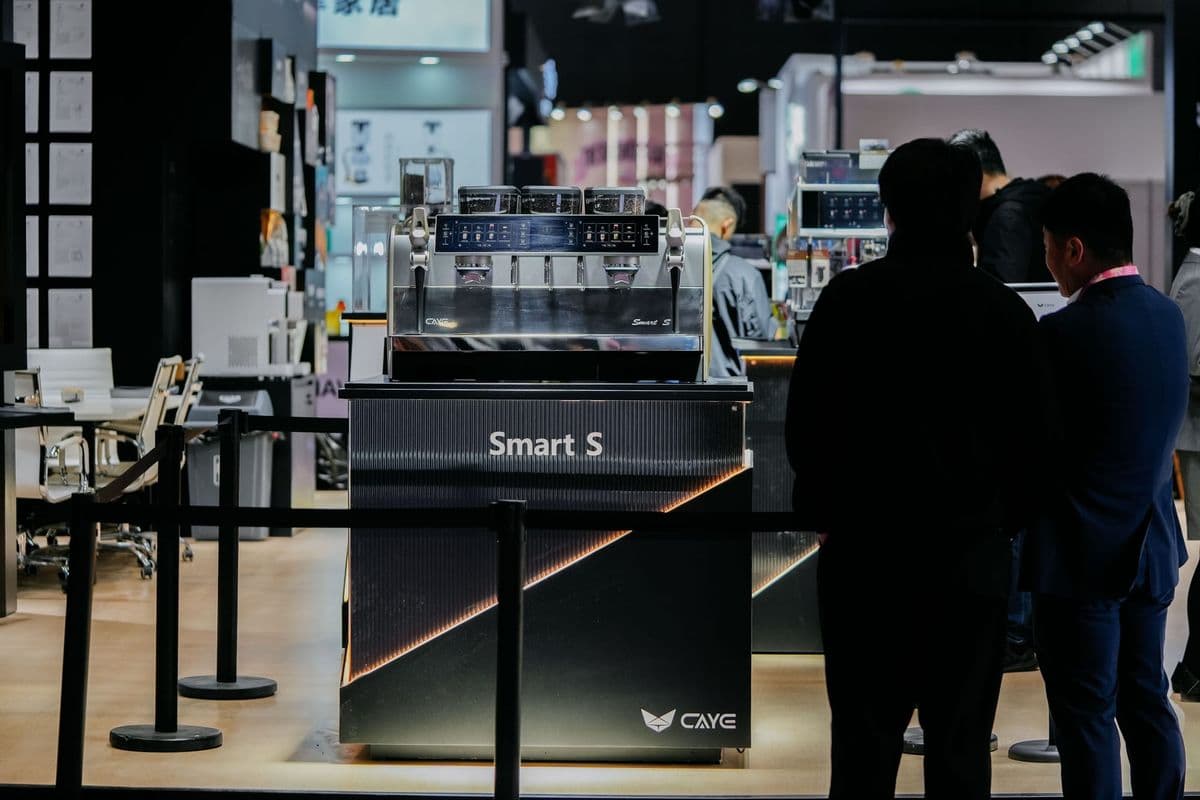
Coffee graders, vital to arabica pricing, struggle to recruit new talent
A tiny cadre of coffee graders can sway arabica pricing for a $250 billion market, but ICE is struggling to find replacements. Their shortage is becoming a signal for the wider coffee supply chain.
The people who can move arabica prices
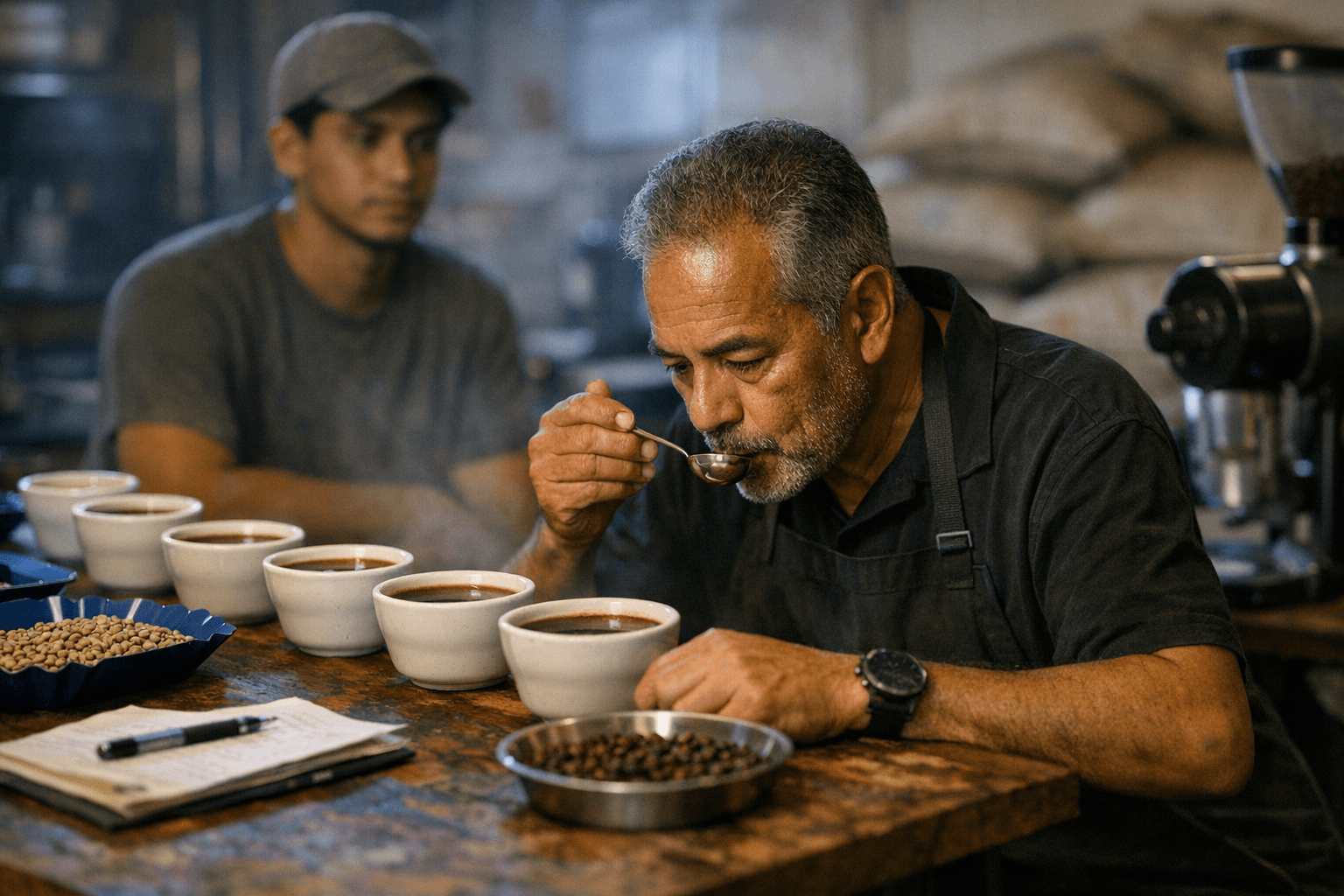
At the center of the coffee market sits a job most drinkers never see: graders who sniff, slurp, and spit their way through green coffee to decide whether it can count toward delivery against futures. That work helps anchor ICE Futures U.S.’s Coffee C contract, which ICE describes as the world benchmark for arabica coffee, and that makes the role far bigger than a sensory exercise. When these graders tighten or loosen the gate, traders, roasters, and eventually consumers feel it.
That is why the recruitment problem matters. The market depends on a very small, highly trained pool of specialists, and the pipeline is not keeping pace with the scale of the coffee economy. In a $250 billion global market, a labor bottleneck in one niche corner of exchange certification can become a pricing signal for the rest of the chain.
How the benchmark works
Coffee C is built around physical delivery, not just paper pricing. ICE says the contract covers exchange-grade green beans from one of 20 countries of origin, delivered into licensed warehouses and then to ports in the United States and Europe, with premiums and discounts that vary by port and origin. The exchange has also introduced a new Coffee C Metric futures contract, which it says is also a world benchmark for arabica coffee, broadening the system just as the traditional contract is being phased down.
The legacy contract is not disappearing overnight. ICE’s 2025 filing says it is phasing out new listing months for the traditional Coffee C contract, with March 2028 as the final listed month. The new Coffee C Metric contract is set to begin trading on September 8, 2025, under revised rules. Taken together, the two contracts show an exchange trying to modernize the benchmark without losing the credibility that comes from a long-running delivery system.
Why the graders matter so much
The graders are the gatekeepers between coffee in a warehouse and coffee that can settle a futures contract. Their decisions determine whether lots qualify for certification, and that certification has direct consequences for warehouse stocks, recertification pressure, and trader confidence. In December 2023, that power was on display when ICE graders rejected 41% of arabica lots sent for certification, passing 6,475 bags and rejecting 4,576 out of 11,051 bags evaluated.
That kind of rejection rate matters because it changes what the market can actually deliver, not just what it thinks it can deliver. When lots fail certification, supply available to meet futures obligations tightens, and the market starts watching warehouse inventories and recertification rules much more closely. It is one of those rare coffee jobs where a tasting table can ripple out into price discovery.
Why recruiting is such a hard lift
ICE’s standards make the job hard to enter by design. An applicant for a Coffee grader license must have at least five years of experience in the coffee trade and at least five years of actual grading experience. Even after earning the license, the commitment does not stop: successful candidates must grade on the Exchange at least two times every year to keep it.
That combination of deep experience, regular in-person work, and a highly specialized benchmark role narrows the talent pool fast. ICE also revised the coffee graders test and moved it to October 2025 at the NYSE grading facility at 11 Wall Street in New York City, a detail that says plenty about how concentrated and formalized this operation remains. The test change and the Wall Street location underscore the point: this is not a broad hiring market, it is a narrow craft bench inside one of the most scrutinized corners of commodity pricing.
The economics of the job are not built for mass recruitment either. ICE set grading fees effective January 1, 2025 at $1.50 per bag, with a minimum fee of $40 per electronic warehouse receipt. That fee structure helps explain why the system relies on specialists who already live inside the coffee trade rather than a large pool of new entrants who can be trained from scratch.
A broader standards shakeup is already underway
The recruitment problem is landing at the same time the industry is rethinking how coffee quality is measured. In April 2025, the Specialty Coffee Association said it would take over management of the Q Grader program from the Coffee Quality Institute beginning October 1, 2025. The association said the program has certified more than 8,000 coffee professionals, which gives it a wider footprint than the tiny exchange-grading bench, but it is moving in the same direction: more formalization, more consistency, more modernization.
The evolved Q Grader program will be based on the Coffee Value Assessment system, which the Specialty Coffee Association rolled out in 2023. That matters because it shows the coffee world trying to standardize sensory evaluation across both specialty and futures-linked segments at the same time. When exchange grading and Q certification are both being updated, it signals a larger industry effort to make quality evaluation more systematic just as the old guard gets harder to replace.
What this signals for coffee pricing and supply
For the coffee trade, this is not just a staffing story. It is a supply signal. If the exchange cannot keep enough licensed graders in the pipeline, then the bottleneck shifts from growing coffee to certifying coffee, and that can affect how much deliverable inventory the market trusts at any given moment. That is especially important now, as ICE moves from the legacy Coffee C contract toward the new Coffee C Metric contract and phases out new listing months beyond March 2028.
The deeper lesson is that arabica pricing still depends on people with rare, embodied expertise. Machines can measure plenty, but they do not replace the grader’s trained nose, palate, and judgment when the benchmark itself is built on quality control. In coffee, the future price can still be shaped by a handful of professionals at a table, and the industry is now confronting how fragile that table has become.
This article was produced by Prism’s automated news system from verified source data, official records, and press releases, then run through automated quality and moderation checks before publishing. The system is built and supervised by the people who set the standards it runs under. Read our full AI policy.
Did this article answer your question?