Coffee prices fall as Brazil weather clears harvest delays
Brazil’s drier forecast knocked arabica lower, but tight inventories and crop uncertainty suggest roasters may see relief in green buying before retail prices ease.
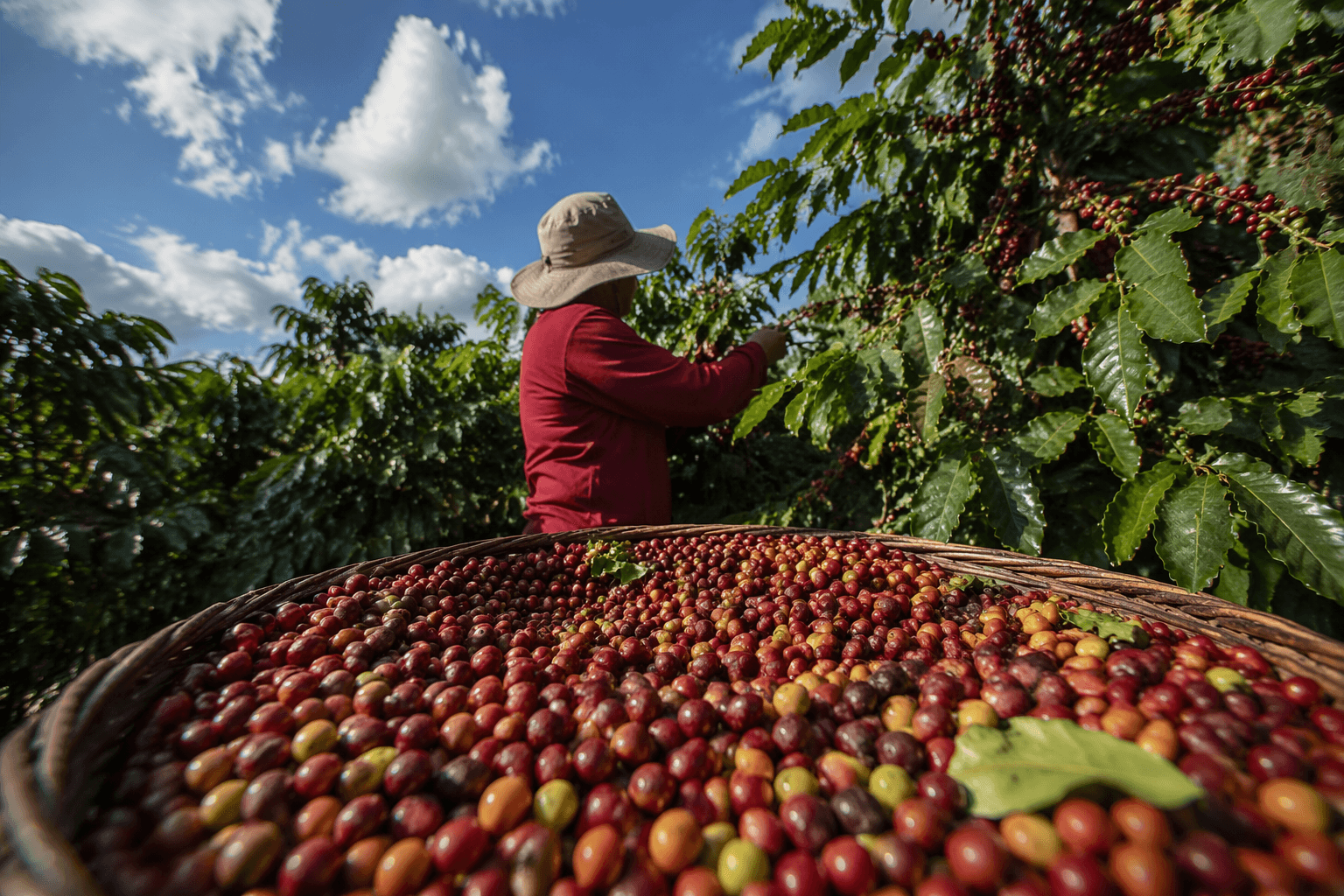
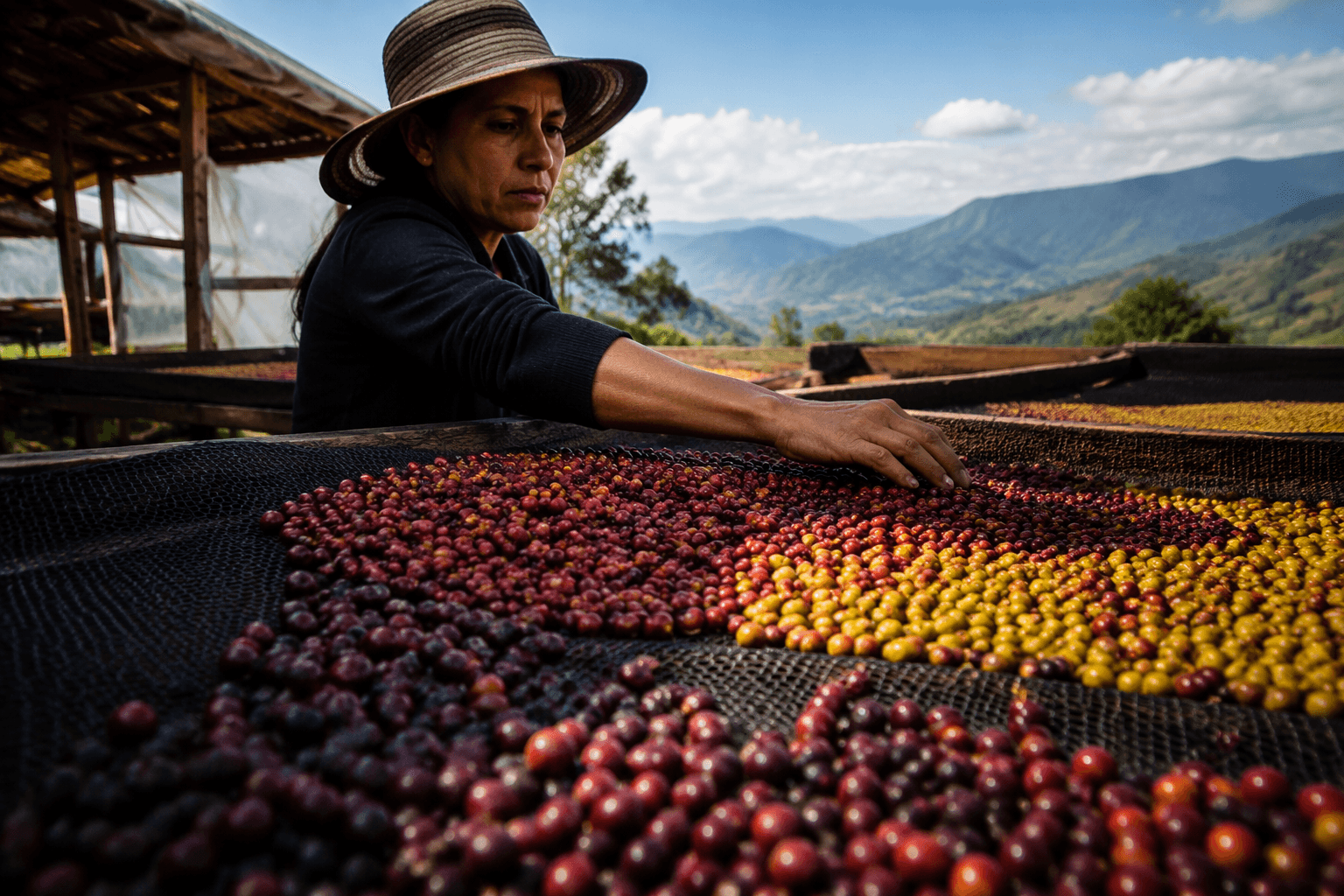
A drier turn in Brazil pushed coffee futures lower, but the bigger question for roasters and specialty buyers is whether this is the start of cheaper beans or just a pause after a volatile run. On June 1, July arabica fell 1.88% and July ICE robusta slipped 1.09%, with arabica printing a new nearest-futures low on the 1.5-year chart as traders bet Brazilian fieldwork could restart after heavy rains delayed harvest activity the week before.
That move matters because Brazil still sets the tone for the whole coffee board. The benchmark ICE Coffee C contract is the world’s arabica reference for physical delivery pricing, so even a short weather interruption in the largest origin can ripple into nearby premiums, importer hedging and the way roasters lock in green coffee. For the moment, the market is leaning bearish on supply, but not in a way that automatically reaches retail shelves.
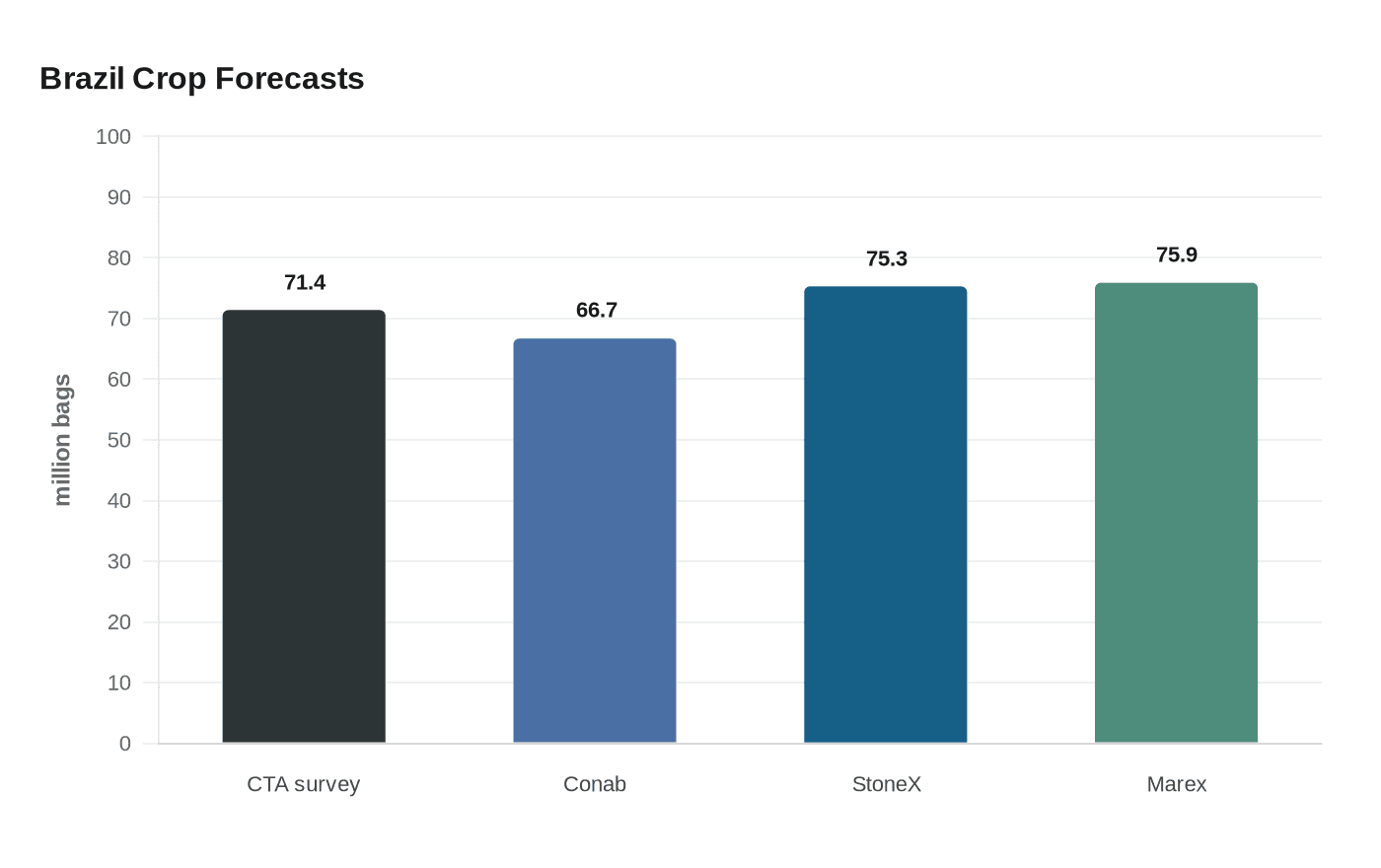
The supply story has been building for weeks. The Coffee Trading Academy’s survey of 758 farmers put Brazil’s 2026/27 crop at 71.4 million bags, up 11.5% from the prior season, and official crop estimates have also moved higher. Conab raised Brazil’s 2026 crop forecast to 66.7 million bags in May from 66.2 million in February, while StoneX lifted its Brazil 2026/27 estimate to 75.3 million bags and Marex projected 75.9 million bags. StoneX also sees the 2026 global coffee surplus reaching 10 million bags, the largest in six years.
Vietnam is adding to the pressure on robusta. The USDA Foreign Agricultural Service’s Vietnam Coffee Annual, published May 20, forecast 2026/27 production at 32.5 million bags GBE and said falling prices from recent peaks have prompted producers, traders and exporters to release stocks. That stronger export flow from Vietnam gives the market another reason to lean softer, especially in the robusta complex that many roasters use to manage blend costs.
Still, the slide is not the same as a clean break in prices for drinkers. ICE arabica inventories were recently reported at 471,831 bags, a 2.5-month low, and ICE robusta stocks were down to 3,642 lots, a two-year low. NOAA’s May ENSO outlook still shows the climate system under close watch, and traders are already focused on Brazil’s September and October flowering window as the next critical weather test.
For roasters, that usually means caution before celebration. A softer futures tape can improve green-buying terms and give some room on forward coverage, but subscription pricing and single-origin availability tend to move later, and only if the next weather headline stays quiet. For now, Brazil’s resumed harvest may have eased the pressure, but it has not ended the market’s habit of snapping back the moment the forecast changes.
This article was produced by Prism’s automated news system from verified source data, official records, and press releases, then run through automated quality and moderation checks before publishing. The system is built and supervised by the people who set the standards it runs under. Read our full AI policy.
Did this article answer your question?