Colombia launches Peace Coffee in Belgium to replace coca crops
Colombia took its coca-substitution push to Belgium, where Peace Coffee and Peace Chocolat now carry a peace-building claim and a major economic test.

President Gustavo Petro used Belgium to pitch a hard idea with a simple label: Peace Coffee. The brand, along with Peace Chocolat, is meant to turn former coca-growing land into export coffee and cacao, with Belgium as the first market for products tied to Colombia’s shift from illicit crops to legal farming. For Petro, the cup is doing diplomatic work as well as commercial work, because the real bet is whether buyers abroad will pay enough, long enough, to make peace agriculture survive.
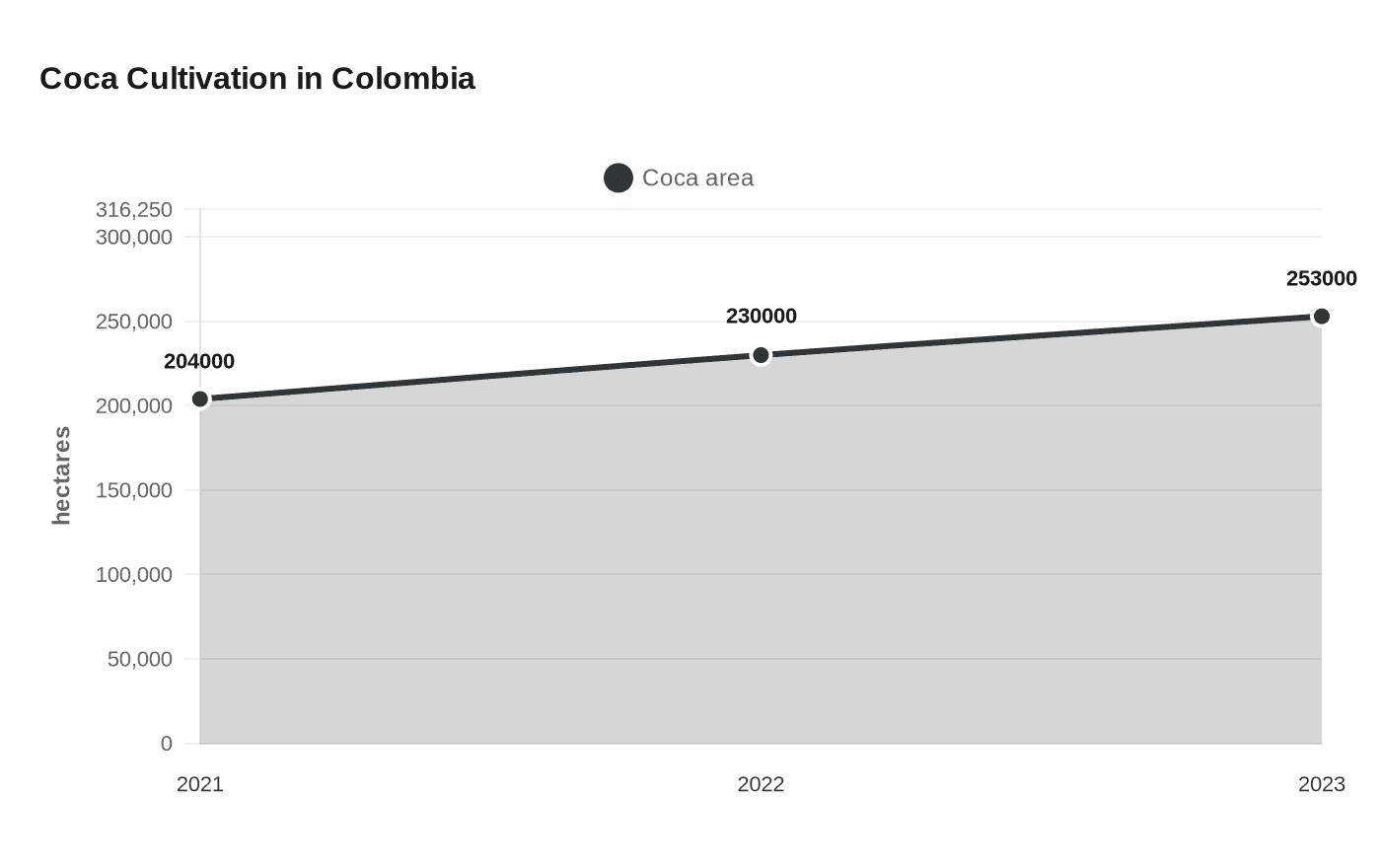
The timing is not accidental. UNODC said coca cultivation in Colombia rose 10% in 2023 to 253,000 hectares, while potential cocaine production climbed to 2,664 metric tons. The agency also said coca was present in 185 municipalities in 2022, and that the planted area grew from 204,000 hectares in 2021 to 230,000 hectares in 2022. Against that backdrop, Petro has framed coffee and cacao not as charity crops, but as part of a peace strategy: if farmers can earn a stable living from legal export channels, the logic goes, coca loses some of its grip.
Belgium matters because it is not just a customer, it is also a political signal. In November 2025, Belgium said it would provide €500,000 to UNODC for anti-drug-trafficking efforts in Colombia and neighboring countries, and Belgian Foreign Minister Maxime Prévot visited a Colombian farm where coca had already been replaced with coffee. That gives the launch a rare combination of trade, aid and diplomacy. It also suggests Belgium sees the Andes not only as a security problem, but as a place where market access and rural development are part of the same conversation.
The commercial test, though, is still brutal. AFP reported in June 2025 that about 4,000 Colombian families had entered a government pact to replace coca with crops such as cocoa and coffee across 45,000 hectares in three conflict-hit regions, including Cauca’s Micay Canyon, in a $14.4 million project. Farmers take a risk when they walk away from coca, because the illicit crop still pays better in many areas and armed groups continue to exert pressure. Colombia has tried crop-substitution before, and UNODC’s monitoring work in Colombia, Bolivia and Peru underscores how long this transition has been on the agenda. A USAID-backed effort, Coffee for Peace, already pointed to the same commercial idea: traceable coffee from conflict zones can reach international buyers. Petro’s version now has to prove it can do more than brand the promise.
This article was produced by Prism’s automated news system from verified source data, official records, and press releases, then run through automated quality and moderation checks before publishing. The system is built and supervised by the people who set the standards it runs under. Read our full AI policy.
Did this article answer your question?