Daily Dark Roast Coffee Consumption Cuts DNA Damage by 23 Percent, Study Finds
A 4-week randomized trial found dark roast coffee drinkers cut DNA double-strand breaks by 23%; water drinkers saw zero change.
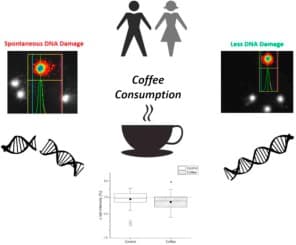
Four weeks of daily dark roast coffee drinking reduced DNA double-strand breaks in blood cells by 23 percent compared to baseline, while participants assigned to drink warm water showed no change at all, according to a single-blind randomized controlled trial published in the European Journal of Nutrition by Schipp, Tulinska, Sustrova, and colleagues.
The trial enrolled 100 adult coffee drinkers and began with a strict four-week preconditioning phase during which all participants eliminated coffee and every other caffeine-containing beverage from their diets. Only after that caffeine-free run-in were subjects randomized: one group consumed 500 ml of a dark roast coffee blend daily, the equivalent of about four 4-ounce cups, while the control group drank the same volume of warm water. Blood specimens were analyzed for DNA damage at the close of the preconditioning period and again at the end of the four-week intervention.
The gap between groups at the finish line was unambiguous. Coffee drinkers carried 23 percent fewer broken DNA strands in their blood cells than they had at the start; the water drinkers were statistically unchanged. The authors stated their conclusion directly: "Our results indicate that regular consumption of a dark roast coffee blend has a beneficial protective effect on human DNA integrity in both, men and women."
DNA double-strand breaks carry particular clinical weight because they are among the most disruptive forms of genetic damage, linked across the medical literature to cardiovascular disease, diabetes, inflammatory bowel disease, autoimmune conditions, and cancer. Researchers and commentators reviewing the trial have pointed to coffee's polyphenols and melanoidins as the likely protective agents, with some analyses noting that these compounds also activate antioxidant pathways through Nrf2. Those mechanistic explanations extend beyond what Schipp et al. directly measured in the trial, but the 23 percent reduction in blood-cell DNA damage stands as the controlled experiment's concrete output.
The 2018 trial also complements earlier coffee-and-water research that had already shown coffee "substantially lowered the level of spontaneous DNA strand breaks in white blood cells," adding another data point to a pattern that has been building across multiple study designs. Broader reviews of the evidence have suggested that consuming two to four cups of coffee daily may help guard against a range of age-related disorders, though that recommendation draws on the wider body of observational and mechanistic literature rather than the Schipp trial alone.
One point worth noting for the espresso and pour-over crowd: the protective compound argument does not stop at caffeinated brews. Separate commentary on the research has highlighted that decaffeinated coffee carries comparable polyphenol and melanoidin concentrations, suggesting the genomic benefit is tied to the bean's chemistry rather than its caffeine load, though the randomized trial itself used a caffeinated dark roast blend and did not test a decaf arm.
This article was produced by Prism’s automated news system from verified source data, official records, and press releases, then run through automated quality and moderation checks before publishing. The system is built and supervised by the people who set the standards it runs under. Read our full AI policy.
Did this article answer your question?