Dutch Bros buys Phoenix East Valley franchise, adds 29 company stores
Dutch Bros agreed to buy its Phoenix East Valley franchise and fold 29 shops into company hands, tightening control in Arizona as it pushes deeper into company-operated growth.
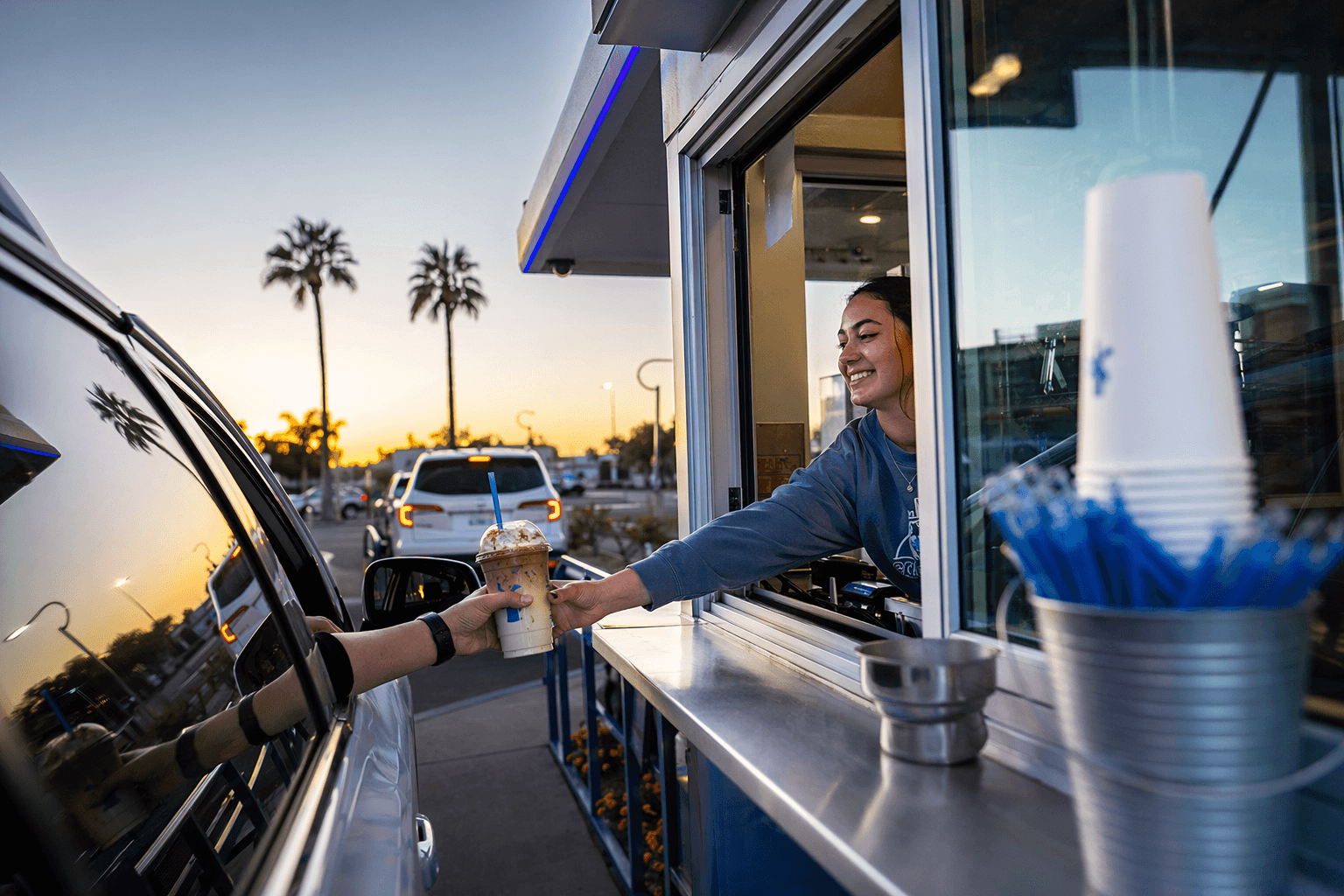
Dutch Bros is taking a bigger hand in how its drinks get made and served, agreeing to buy the Phoenix East Valley franchise and convert 29 shops into company-operated stores. The move gives the chain more direct control in Arizona, one of the markets that matters most to its next stage of growth, and it comes as longtime franchise owner Jim Thompson heads into retirement after nearly two decades with the brand.
The deal is scheduled to close in the third quarter of 2026. When it does, Dutch Bros will add a sizable cluster of company-run locations in a market where speed, line flow and drink consistency can make or break the drive-thru experience. That matters for a chain built on customization as much as velocity. When the stores sit inside the company’s own operating system, it becomes easier to tighten recipe execution, standardize training and keep the customer experience closer to the same from one lane to the next.
Dutch Bros said it operated 1,177 shops across 25 states as of March 31, 2026, a footprint that shows how far the company has moved beyond its West Coast roots. But the Arizona buyout also shows how it wants to grow now. Instead of leaning only on greenfield openings, Dutch Bros has been using acquisitions and conversions to deepen density in markets it already understands. That approach can improve economics and simplify operations, especially in a drive-thru segment where the competition is relentless and the best sites are often the ones that let a brand stack stores close together.
This was Dutch Bros’ second drive-thru acquisition in four months, after its January purchase of Clutch Coffee Bar in North Carolina. Put together, the two deals point to a more aggressive stance on ownership and control. For Dutch Bros, bringing more shops in-house is not just a balance-sheet move. It is a way to protect the brand’s culture, keep the menu moving cleanly and preserve the speed and consistency that regulars notice every time they pull up to the speaker.
This article was produced by Prism’s automated news system from verified source data, official records, and press releases, then run through automated quality and moderation checks before publishing. The system is built and supervised by the people who set the standards it runs under. Read our full AI policy.
Did this article answer your question?