GCP to review Coffee Sustainability Reference Code and Equivalence Mechanism in 2026
GCP will review its Coffee Sustainability Reference Code and Equivalence Mechanism in 2026 to ensure the tools stay relevant and aligned with market and regulatory expectations.
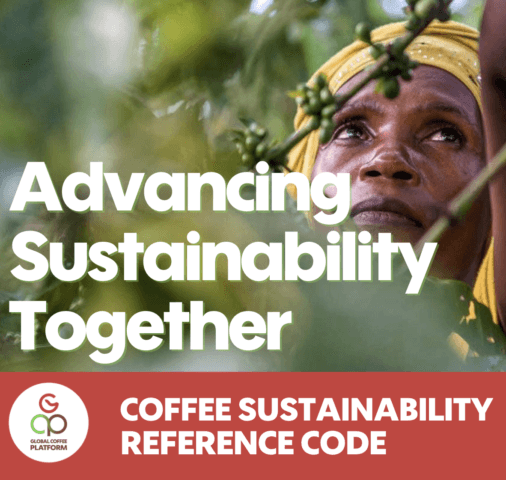
The Global Coffee Platform has opened a formal review of two of its cornerstone tools, the Coffee Sustainability Reference Code and the Equivalence Mechanism, scheduling the work for 2026 to keep standards aligned with shifting market and regulatory expectations. The announcement also marks the close of the current recognition cycle, identified as Equivalence Mechanism 2.0, and confirms three new schemes as equivalent to the Coffee SR Code.
GCP’s reference code functions as a shared benchmark for sustainability claims across the supply chain and the Equivalence Mechanism is the path by which roaster, trader and company-led schemes can be recognised as meeting that reference. Comunicaffe framed the review as “a key opportunity to shape an even stronger and more coherent global reference for sustainable coffee,” and added a call for membership engagement: “As GCP reviews and strengthens the Coffee SR Code and the Equivalence Mechanism in 2026, we invite GCP Members to actively contribute and encourage all actors to stay engaged in this collective effort. Given the changing landscape within coffee and beyond, this review is a key opportunity to shape an even stronger and more coherent global reference for sustainable coffee.”
Communications tied to the announcement list CROP by COFCO, VSS Midori Protocol by MITSUI, and Responsibillyty by illycaffé as newly recognised schemes, described as “equivalent to the Coffee SR Code, 2nd party assurance.” That recognition carries reporting consequences: the newly recognised schemes are eligible to participate in GCP’s Sustainable Coffee Purchases 2026 Report, which Comunicaffe says will be published in 2027. Comunicaffe also noted that “the latest results will be presented in the upcoming Sustainable Coffee Purchases 2024 Report, expected later this year.” Daily Coffee News summarised the review’s purpose succinctly as a move “to ensure the tools’ continued relevance, credibility and clarity.”
Practical implications for roasters, traders and buyers are immediate. GCP operates annual Collective Reporting in which roasters and retailers report sustainable coffee volumes using common metrics to “strengthen comparability, transparency, and accountability,” and scheme recognition affects which volumes and programmes count in those tables. A LinkedIn post attributed to GCP’s industry commentary adds that “55% of coffee purchases are now sustainable, driven by consumer demand for ethically sourced coffee,” a headline figure that market actors will want to verify when the review defines counting rules and cutoffs.
Academic context underscores why the review matters. A Tandfonline excerpt highlights that GCP’s equivalence mechanism has categorised third-party certifications, roaster-led schemes and trader-led programmes as purveyors of ‘sustainably sourced’ coffee, and that private governance has become more company-dominated and fragmented over recent years. That fragmentation is precisely the kind of issue the 2026 review aims to resolve.
Beyond the review, the coffee calendar is busy: ACE listed a March 26, 2026 auction, Good Food Awards announced 2026 coffee finalists, and industry moves such as FairWave’s acquisitions and development funds for Vietnam’s coffee lands continue to shape sourcing pressures. For buyers and roasters, the next steps are practical: track the 2026 review timetable, confirm how your schemes will be classed for Collective Reporting, and watch for the Sustainable Coffee Purchases reports that will set the numbers buyers and consumers use to judge sustainable sourcing.
Know something we missed? Have a correction or additional information?
Submit a Tip