Gregorys Coffee Hits the Road to Recruit East Coast Franchise Partners
Gregorys Coffee launched a franchise program and is staging East Coast open houses April 7-10, looking specifically for multi-unit operators to carry the 20-year New York brand beyond its corporate footprint.
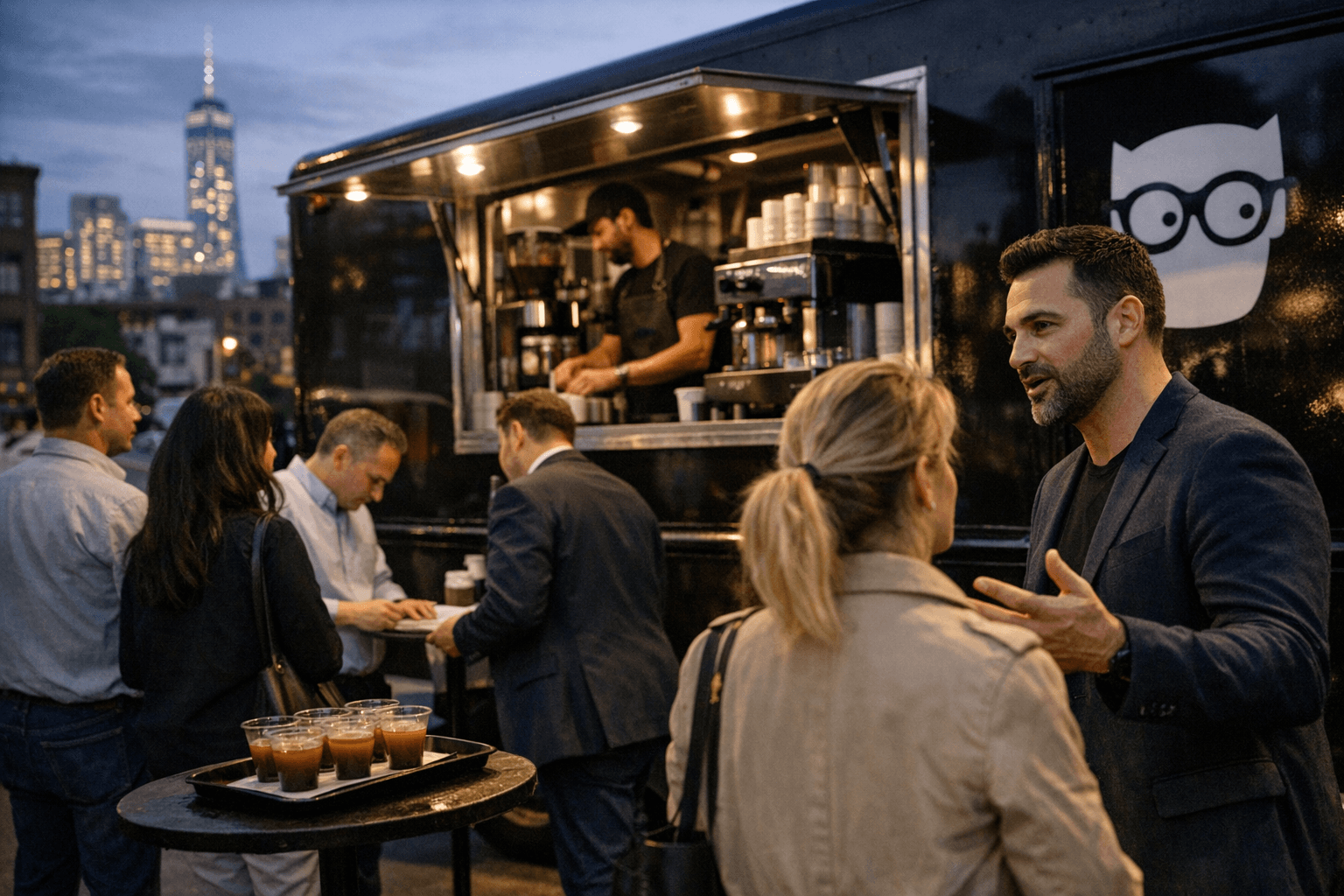
Gregorys Coffee spent two decades building a company-operated chain rooted in New York. Starting this Thursday, it's looking for partners to take the brand beyond what a corporate balance sheet can carry on its own.
The specialty coffee brand announced its franchise program on April 1 and is staging an East Coast open-house roadshow from April 7-10 to recruit prospective franchisees. The format is deliberate: rather than fielding cold inquiries, Gregorys is bringing its operational playbook directly to entrepreneurs and pre-qualifying candidates capable of opening multiple units.
The pitch centers on what 20 years of New York retail builds: brand recognition, standardized systems, a core menu that holds consistency across locations, and infrastructure for marketing and operations support. For anyone who's watched a single-unit indie concept flame out on one bad lease, that operational depth is genuinely worth evaluating.
Gregorys is specifically targeting multi-unit operators, which signals where the brand's growth ambitions actually sit. A franchisee opening one location is a customer; a franchisee opening five is a regional partner. The roadshow is structured to surface the latter.
The strategic logic is straightforward. Franchising lets an established brand accelerate its footprint without loading the corporate balance sheet with each new lease and buildout. For Gregorys, whose identity is rooted in New York but whose franchise targets include markets well beyond its historic footprint, local owner-operators also bring real estate relationships and neighborhood knowledge that a Manhattan-based corporate team cannot replicate remotely.
The harder questions, the ones the April 7-10 stops will need to answer, are about unit economics in labor-constrained markets, supply chain reliability outside the New York metro, and what territory protections the franchise agreement actually provides. The brand's 20-year track record closes part of that gap. The specific deal terms close the rest.
This article was produced by Prism’s automated news system from verified source data, official records, and press releases, then run through automated quality and moderation checks before publishing. The system is built and supervised by the people who set the standards it runs under. Read our full AI policy.
Did this article answer your question?