Heirloom Coffee Roasters launches Clean Craft with national retail expansion
Heirloom is betting shoppers will pay for coffee with lot-by-lot lab results, QR codes and quarterly retesting. The harder question is whether that is a real new standard or polished wellness language.
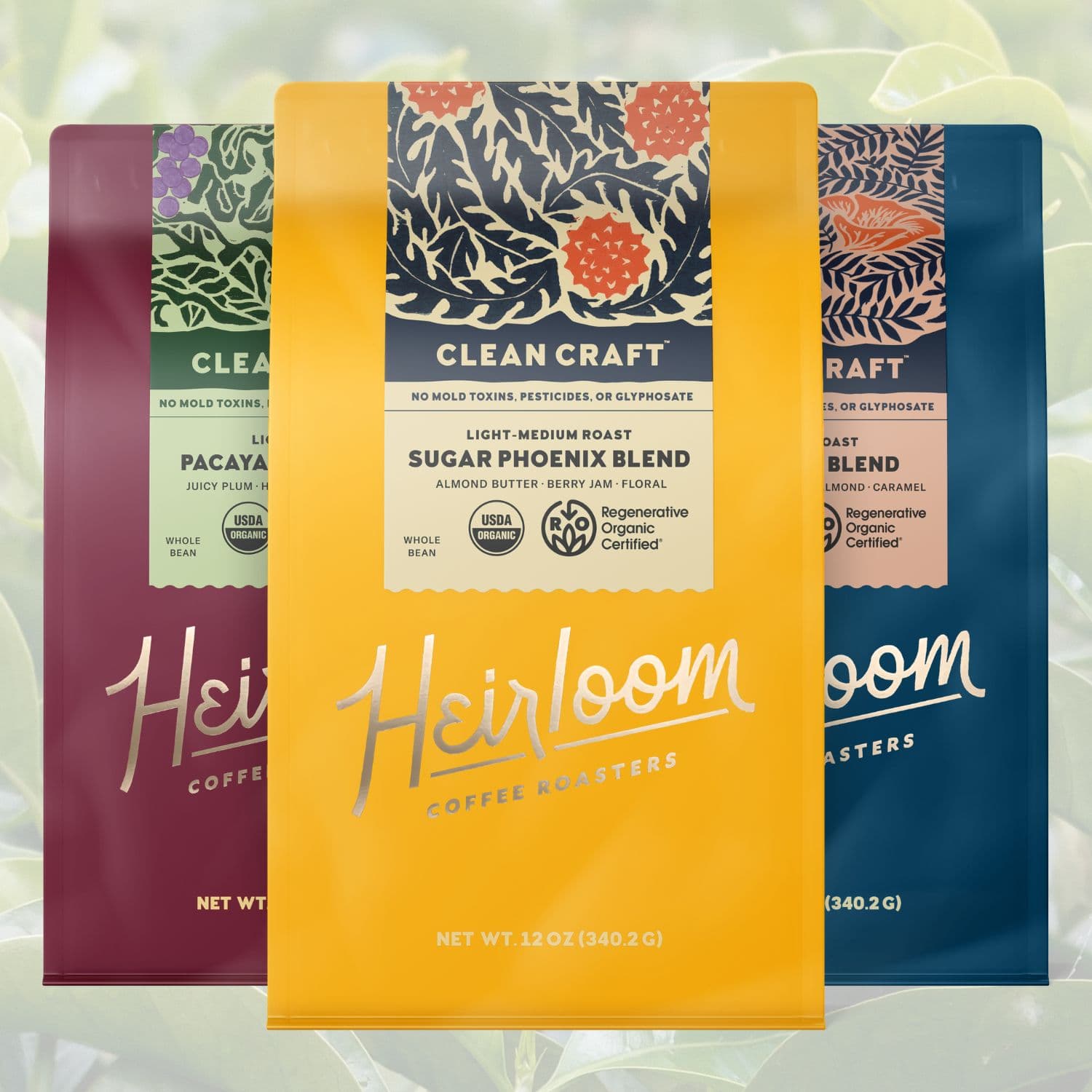
Heirloom Coffee Roasters used a June 3 launch in Oakland to push far past the usual sustainability pitch and into something more measurable: Clean Craft™, a platform built around regenerative sourcing, vertical control and third-party contaminant testing. The company says its coffees are now on shelves nationwide at Target and Sprouts Farmers Market, with additional distribution at Erewhon Market, Fresh Thyme Market, Town & Country Markets and The Fresh Market.
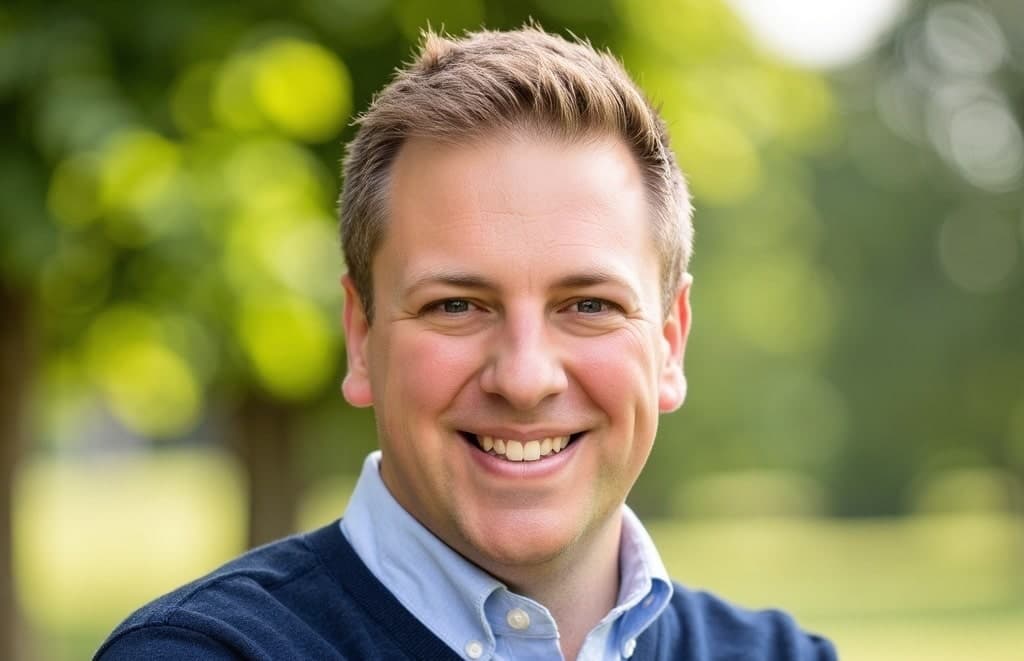
That retail footprint matters because it moves Heirloom out of specialty coffee shorthand and into the part of the grocery aisle where consumers are already comparing labels, health claims and price. Hovik Azadkhanian, Heirloom’s co-founder and CEO, has framed the move as a clean-coffee play for mainstream shoppers, not just coffee nerds hunting for a rare microlot.
So what does Clean Craft actually mean? Heirloom says the platform rests on three pieces: 100% Regenerative Organic Certified coffee across the line, full vertical integration from sourcing and importing to roasting, packaging and distribution, and triple third-party laboratory testing for pesticides, herbicides, glyphosate, mold toxins, heavy metals and other contaminants. The company says every lot is tested at origin, again at the Port of Oakland, and then after roasting, with QR codes on each bag linking to lot-specific results. Heirloom also says every roasted SKU is tested at least once every quarter.
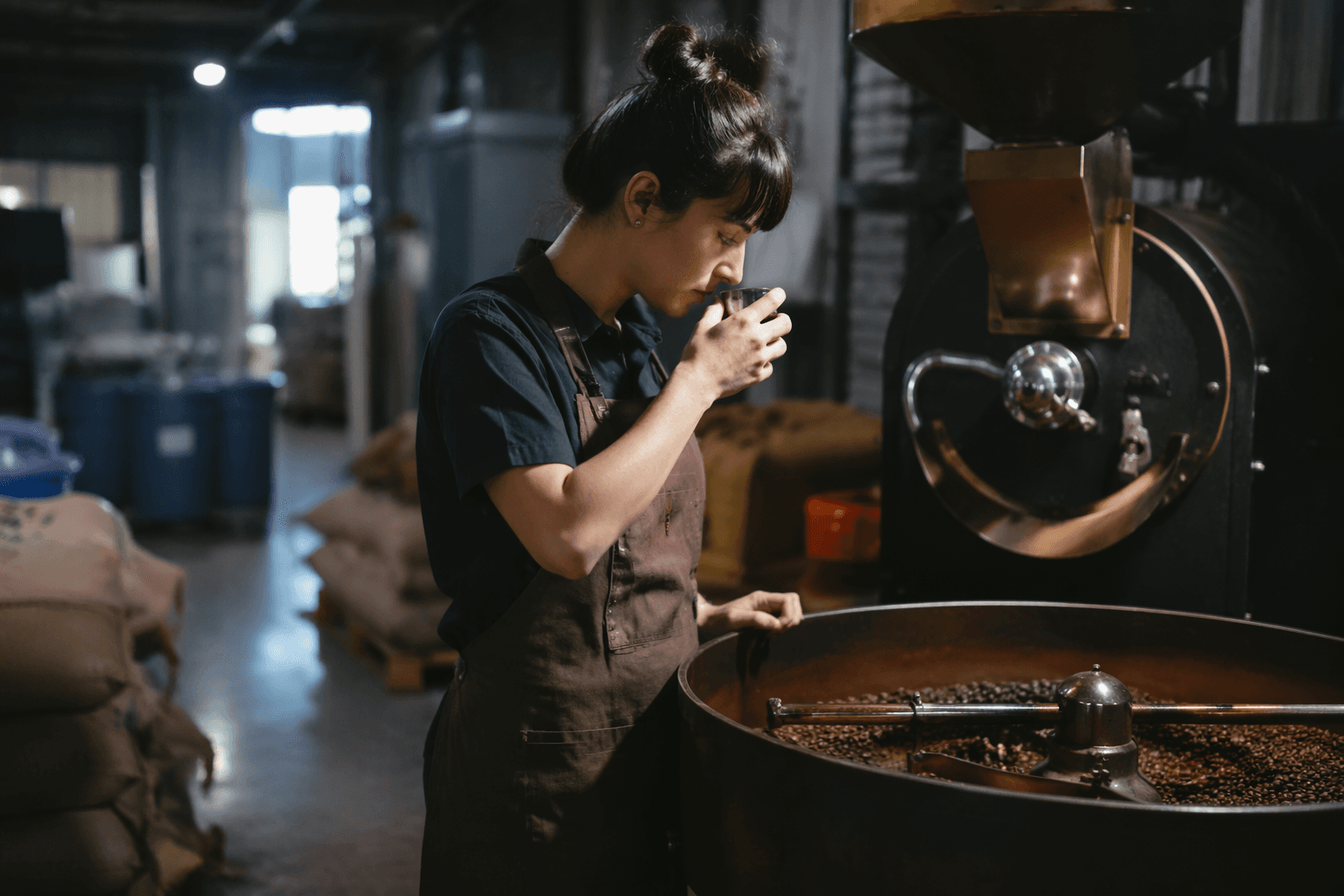
That is a tighter claim than the broad language most packaged coffee brands use. A plain organic label tells you how the crop was grown. Clean Craft is trying to tell you how the coffee was handled, tested and verified after harvest, which is why the QR code detail matters. It turns “clean” from a vibe into a document trail, at least in theory.
The regenerative piece is important too. Heirloom has long described itself as the world’s first 100% Regenerative Organic Certified coffee company, and it says it was founded in 2021 by third-generation roaster Hovik Azadkhanian. Regenerative Organic Certified, launched by the Regenerative Organic Alliance in 2017, is built around soil health, animal welfare and social fairness, and it audits supply-chain participants from farmer to roaster. That makes it broader than a simple organic claim, but it is still a certification framework, not the same thing as contaminant testing.

Heirloom is leaning into a market conversation that is already getting louder. The Clean Label Project’s 2025 coffee study tested 57 products from 45 brands and ran more than 7,000 tests for heavy metals, mycotoxins, pesticides, phthalates and glyphosate or AMPA, underscoring why “clean” has become such a potent word on the shelf. TechnoServe has also argued that regenerative coffee could lift smallholder farmer incomes by an average of 62%, boost exports by 30% and cut emissions by 3.5 million tons of CO2e annually, which helps explain why the positioning has both wellness and supply-chain appeal.
Heirloom’s bet is straightforward: if shoppers can scan a bag and see lot-specific results, “clean coffee” may stop sounding like branding and start looking like a purchasing standard.
This article was produced by Prism’s automated news system from verified source data, official records, and press releases, then run through automated quality and moderation checks before publishing. The system is built and supervised by the people who set the standards it runs under. Read our full AI policy.
Know something we missed? Have a correction or additional information?
Submit a Tip