Home coffee enthusiasts prioritize precise grinders over flashy machines
The smartest home espresso upgrade is usually a grinder, not a pricier machine. Better burrs solve retention, inconsistency, and drift that even flashy machines cannot fix.
Why grinders moved to the front of the cart
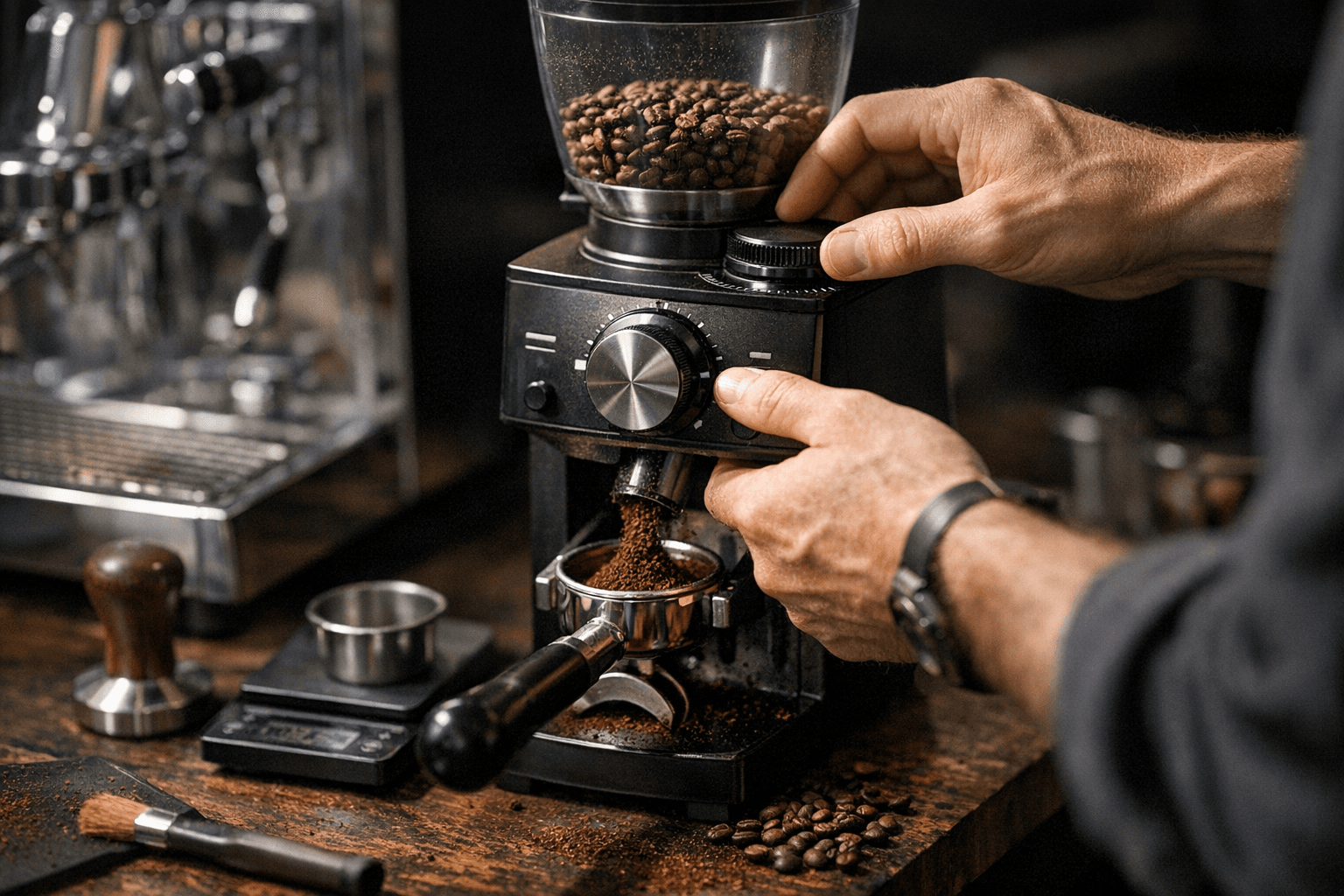
The biggest money shift in home coffee right now is not toward the flashiest espresso machine. It is going into the grinder first, because grind consistency affects extraction more directly than most machine features ever will. A modest machine paired with a precise burr grinder can produce a better cup than a high-end machine fed with uneven grounds, and that reality is changing how serious home brewers spend.
That shift shows up across the whole coffee community: new espresso buyers who want a cleaner starting point, pour-over drinkers chasing clarity, and longtime enthusiasts who want repeatability without paying commercial-machine prices. Instead of buying pressure profiling, temperature control, or app connectivity first, many are putting their budget into burr geometry, stepless adjustment, and cleaner workflows. The appeal is simple: if the grinder is not doing its job, the rest of the setup has to work around the flaw.
The three grinder problems that matter most
The current grinder conversation centers on three practical issues: retention, particle distribution, and repeatable adjustment. Retention is the coffee left behind inside the grinder, and that matters because stale grounds can mix into the next dose and blur flavor. Particle distribution is the spread of grind sizes in the cup, and the wider that spread gets, the more the shot can swing between under-extracted sourness and over-extracted bitterness.
The third issue is the one that separates a decent grinder from a serious one: whether it can make small, repeatable changes without drifting. If a grinder cannot hold its setting, dialing in becomes a moving target. That is frustrating for espresso, where tiny changes can reshape the shot, and it is just as noticeable in pour-over, where even flow and extraction depend on consistency from one morning to the next.
What a better grinder fixes that a pricier machine cannot
A better machine can improve convenience, but it cannot fully rescue inconsistent grounds. Uneven grind size can flatten sweetness, exaggerate bitterness, and leave the cup tasting muddy, sour, or oddly hollow. When the grind is stable and uniform, extraction becomes easier to control, which is why better burr alignment and better burr design often have a bigger effect on the final cup than a more elaborate machine body.
That is the practical reason experienced home baristas keep prioritizing the grinder. It solves the problems that show up in the cup before the machine’s extra features even have a chance to matter. A fancy machine may offer more control on paper, but if the grounds are inconsistent, the shot can still miss the mark. A precise grinder removes one of the biggest sources of variation in the entire brew process.
How today’s buyers are making upgrade decisions
The modern home-coffee buyer is far more informed than the buyer of a few years ago. People compare extraction charts, listen to brewers who explain flow rate and bypass, and quickly learn that the grinder is usually the bottleneck. That knowledge is pushing purchases in a new direction: spend on the tool that changes the coffee most directly, then move to the machine once the grind side is under control.
That logic matters even more in kitchens where the goal is better coffee, not a lab bench of gear. Many home setups need to stay compact, quick, and manageable. A grinder with lower retention, stable settings, and a cleaner workflow is easier to live with every day than a machine that looks impressive but still depends on uneven grounds. The most cost-effective path to better espresso is increasingly the one that starts with the grinder and treats the machine as the next step, not the first prize.
What to look for before spending on the machine
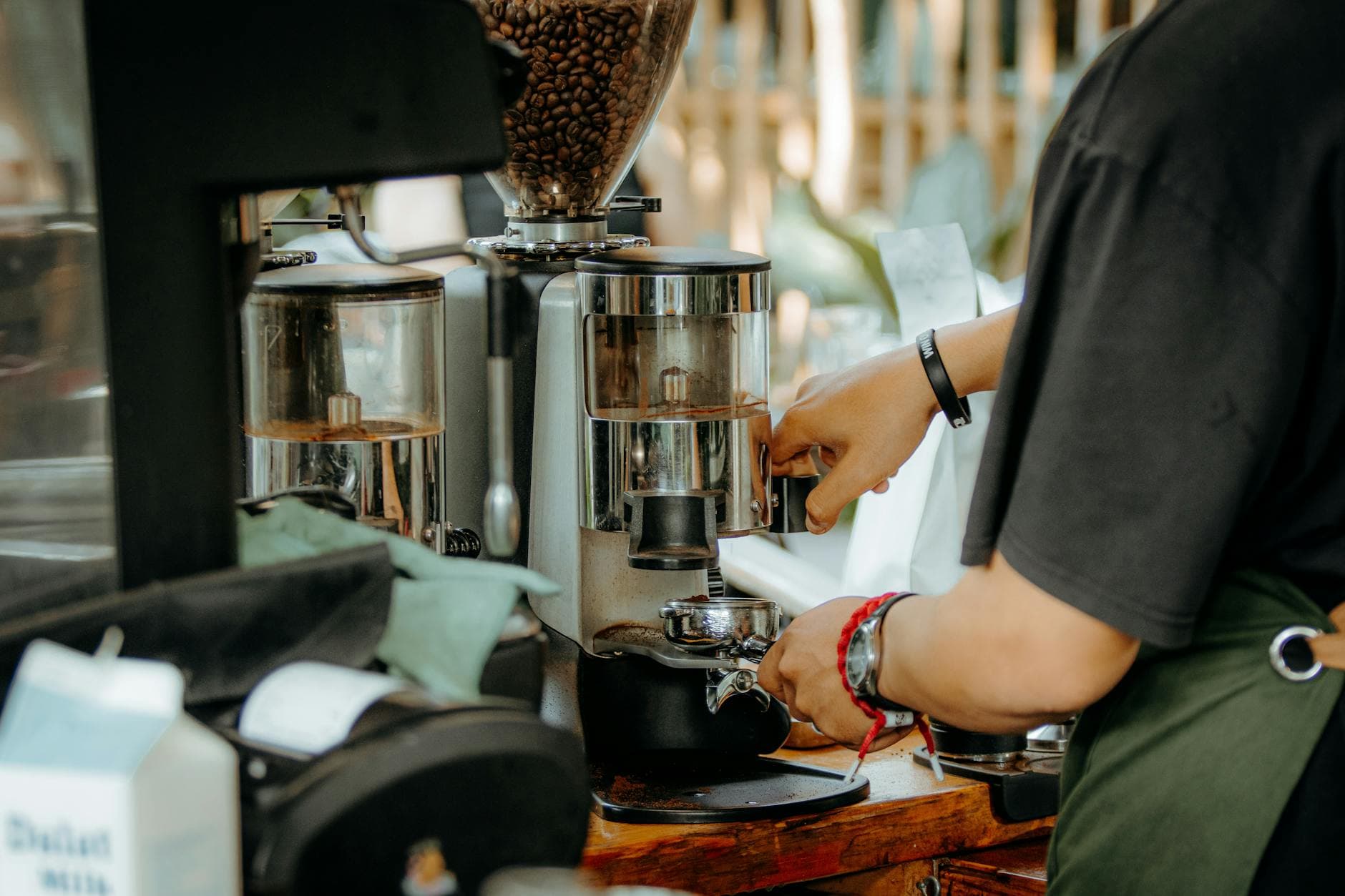
If you are deciding where the next upgrade should go, start by asking what is actually making the coffee taste off. If the cup tastes muddy, sour, or strangely hollow, the grinder may be the real bottleneck. In that case, more machine features are unlikely to fix the issue because the problem begins before water ever meets the puck or the filter bed.
The most useful grinder traits are the ones that reduce randomness and make dialing in easier:
- Low retention, so old grounds do not linger in the workflow
- Uniform particle distribution, so extraction is more even
- Stepless or fine adjustment, so small changes are actually possible
- Stable settings, so the grind does not drift between uses
- Burr alignment and burr geometry that support consistency
- A less messy workflow that makes daily use easier
These are not showroom talking points. They are the factors that determine whether your espresso settles into a reliable recipe or keeps changing from shot to shot.
Why machine makers now have to justify the premium
The grinder-first mindset has also put pressure on machine makers. If convenience features like temperature control, pressure profiling, or app connectivity are going to command a higher price, they need to prove they deliver more than novelty. Home buyers are no longer impressed by a long feature list alone, because many of them already understand that extraction quality starts with the grind.
That makes the market more competitive on value. Grinder makers are being pushed to deliver better performance at lower price points, while machine makers have to show that their upgrades genuinely improve the cup or the experience. For buyers, that is good news: the smartest purchase is no longer defined by the biggest sticker price, but by the piece of gear that removes the most inconsistency.
The bottom line for home espresso and beyond
The grinder debate is not about gear snobbery. It is about removing the biggest source of inconsistency in the cup. A precise burr grinder can improve espresso shots, bring more clarity to pour-over, and even sharpen everyday drip coffee, which is why so many experienced home baristas treat it as the first serious upgrade.
That priority is likely to keep growing as more people learn how much flavor lives or dies in the grind. Flashy machines can make a kitchen counter look impressive, but precise burrs are what turn a decent setup into a repeatable one. In home coffee, that is where the money increasingly goes, and for good reason.
This article was produced by Prism’s automated news system from verified source data, official records, and press releases, then run through automated quality and moderation checks before publishing. The system is built and supervised by the people who set the standards it runs under. Read our full AI policy.
Did this article answer your question?